Girish Malik
Girish Malik is an Indian director, best known for Tamil cinema. Girish Malik began their career in 2014. With 30 credits to their name and an average audience rating of 6.5, Girish Malik remains one of the most prolific and celebrated talents in the industry. Girish Malik is one of the most closely watched talents of their generation, with a rapidly growing body of acclaimed work.
Biography
Girish Hansraj Malik is a Hindi cinema director, writer, and producer based in New Delhi, known for helming socially conscious feature films. His debut film Jal (2014), a drama set in the water-scarce Rann of Kutch, won the National Film Award for Best Visual Effects, screened at the 18th Busan International Film Festival and the 44th IFFI Goa, and was shortlisted as India's official Oscar entry for Best Picture. Malik spent over a decade in television and advertising before features, directing more than 1,000 hours of TV content including the docu-drama series Mission Fateh about real Indian Army missions. His second feature, Torbaaz (2020), a thriller set in Afghanistan starring Sanjay Dutt, was released on Netflix.
Career Milestones
World premiere at Busan International Film Festival in the competitive New Currents section
View film →Feature film debut as writer, director, and producer
View film →Won National Film Award for Best Special Effects
View film →Film shortlisted as India's official entry to the Academy Awards
View film →Directed Netflix film Torbaaz, gaining wider international recognition
Defining Moments
The water divining sequence in the Rann of Kutch, where Bakka locates underground water in the barren desert landscape
The visually stunning centerpiece of the film, shot in the stark Rann of Kutch, this sequence established Malik's distinct visual language and became the most discussed scene from the film at Busan International Film Festival, earning the film its National Award for Best Special Effects
View film →World premiere at the 18th Busan International Film Festival in the New Currents section — India's only competitive entry that year
A landmark moment that put Malik on the international arthouse cinema map and validated Jal as a serious work of Indian independent cinema
View film →The climactic confrontation between Bakka and local corrupt forces over water rights in the flamingo conservation subplot
Critically noted for weaving environmental activism into a gripping human drama, this sequence is frequently cited as the emotional and thematic peak of the film
View film →Torbaaz opening sequence set in war-torn Afghanistan, depicting child soldiers being recruited as suicide bombers through cricket
Widely discussed for its bold, unflinching subject matter; the juxtaposition of an innocent sport with radicalization became the defining image of the film and brought Malik's work to a global Netflix audience
Girish Malik by the Numbers
If you watched every Girish Malik film back-to-back, you'd be at it for roughly 4 hours.
Filmography
See all 30 credits →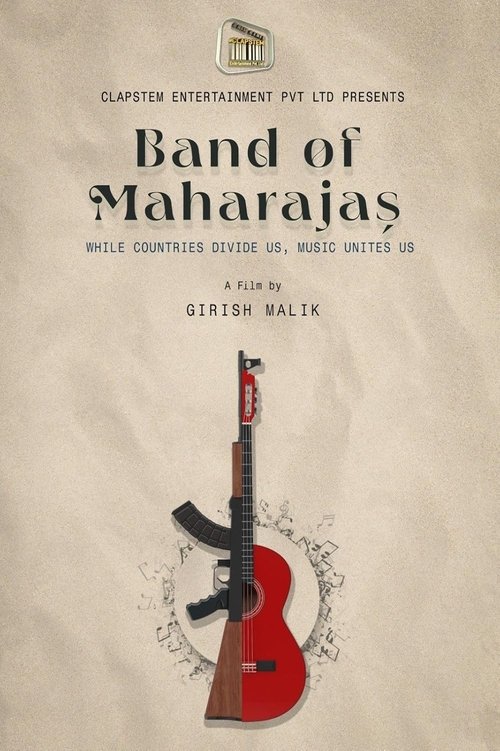
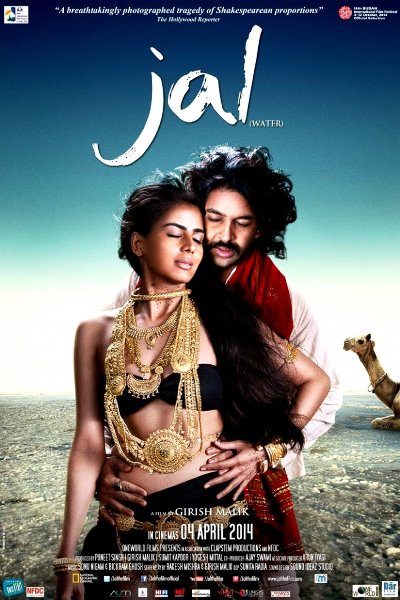
Career Analytics
Genre Breakdown
Language Distribution
Films by Decade
Legacy & Influence
Girish Malik is recognized in Indian cinema as a director and screenwriter who made a distinctive entry with his debut feature film, 'Jal' (2013). His primary contribution lies in his technical background as a former visual effects artist and director of television commercials, which he leveraged to create visually striking and technically ambitious cinema. 'Jal,' a drama set in the arid landscapes of the Rann of Kutch, is notable for its environmental theme, exploring water scarcity and human conflict. Malik's approach combined a strong visual narrative with a focus on ecological issues, a subject less commonly explored in mainstream Indian film at the time. The film was praised for its cinematography and ambitious scale, winning the National Film Award for Best Special Effects in 2014, a credible and verified accolade attesting to his technical prowess. His subsequent directorial work, 'Torbaaz' (2020), continued his engagement with socially relevant themes, set against the backdrop of Afghanistan and focusing on children affected by war. While his filmography is not extensive, Malik has carved a niche by merging technical expertise with stories set in challenging geographical and socio-political environments. His career trajectory demonstrates a shift from visual effects to direction, contributing a distinct visual language and a willingness to tackle complex, global issues within the framework of Indian cinema. His work, particularly 'Jal,' is often cited in discussions about Indian films that successfully integrate technical innovation with thematic depth.