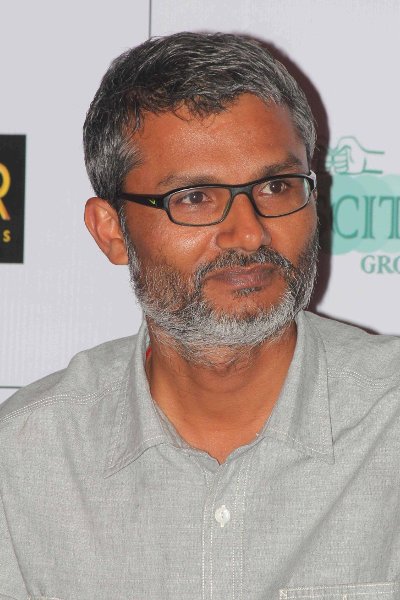
Nitesh Tiwari
Nitesh Tiwari is an Indian director, best known for Tamil cinema. Nitesh Tiwari began their career in 2011 and has been a prominent figure in the industry for over 15 years. With 30 credits to their name and an average audience rating of 6.9, Nitesh Tiwari remains one of the most prolific and celebrated talents in the industry. Spanning 10+ years, Nitesh Tiwari's career remains one of the longest and most celebrated in Tamil cinema.
- Born
- Age
- 53
Biography
Nitesh Tiwari is an Indian Hindi-language film director and screenwriter best known for directing some of the most commercially successful and critically acclaimed films in Bollywood. He co-directed Chillar Party (2011), which won the National Film Award for Best Children's Film, and directed Dangal (2016), the biographical sports drama starring Aamir Khan that became the highest-grossing Indian film of all time with over $210 million worldwide. He won Best Director at the 62nd Filmfare Awards for Dangal and followed it with Chhichhore (2019), a college nostalgia drama that won the National Film Award for Best Hindi Film. A graduate of IIT Bombay in Metallurgy, Tiwari brings a distinctive authenticity to underdog and human-interest stories, often rooted in small-town Indian settings, and is married to fellow filmmaker Ashwiny Iyer Tiwari.
Career Milestones
Feature film directorial debut with Chillar Party, which won the National Film Award for Best Children's Film
View film →Directed Dangal, which became the highest-grossing Indian film of all time with over ₹2,000 crore worldwide
View film →Won Filmfare Award for Best Director
View film →Directed Chhichhore, which won the National Film Award for Best Feature Film in Hindi
View film →Directed Bawaal, his first direct-to-streaming feature released on Amazon Prime Video
View film →Defining Moments
Geeta's Commonwealth Games gold medal climax — Mahavir locked in a room, unable to watch, hears the national anthem playing and breaks down, realizing his daughter has won India's first gold in women's wrestling
Widely cited as one of Bollywood's greatest climactic sequences. The 'father locked out' device subverts the typical triumph shot, making the emotional payoff entirely about parental sacrifice. Reports describe audiences standing and cheering in cinemas. Became the highest-grossing Indian film of all time.
View film →Young Geeta and Babita beat up boys who tease them — Mahavir, initially angry, realizes his daughters have the fighter instinct he was looking for, pivoting the entire story toward training them as wrestlers
The scene that ignites the film's feminist arc — a turning point where patriarchal expectations are inverted and a father recognizes his daughters as champions. Frequently cited in reviews as the moment Dangal announces its thematic intent.
View film →Mahavir's hair-cutting scene — he shears off his daughters' long hair to prepare them for serious wrestling training, a moment of irreversible commitment that signals the girls' transformation and the social cost of his ambition
Symbolically charged scene widely analysed as the film's statement on women giving up conventional femininity to claim space in a male-dominated arena. Sparked debate and discussion about agency, sacrifice, and empowerment in Indian cinema circles.
View film →Anni's 'Loser' speech to his comatose son Raghav — recounting college failures to show that effort, not result, defines a person, reframing failure as a survivable and formative experience
Became a cultural touchstone for India's exam-pressure crisis. Widely shared after Sushant Singh Rajput's death in 2020 and credited with sparking national conversation about student mental health. Won the National Film Award for Best Hindi Film.
View film →The 'Losers' General Championship race sequence — the misfit group of college friends unexpectedly wins House Championship through sheer camaraderie, reframing their entire identity from failures to champions
Emotionally culminates the film's central argument that belonging and effort matter more than rank. The parallel cutting between past glory and present hospital crisis makes it the film's most discussed set piece.
View film →Nitesh Tiwari by the Numbers
If you watched every Nitesh Tiwari film back-to-back, you'd be at it for roughly 23 hours. Most-paired with Pritam Chakraborty — 2 films together.
Filmography
See all 30 credits →
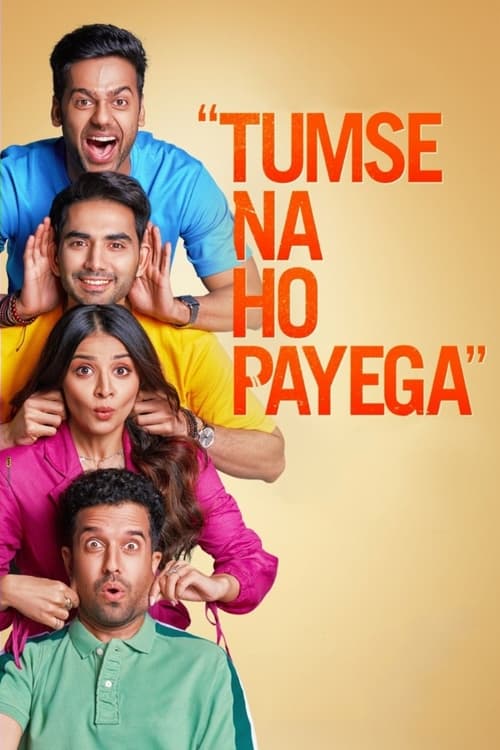

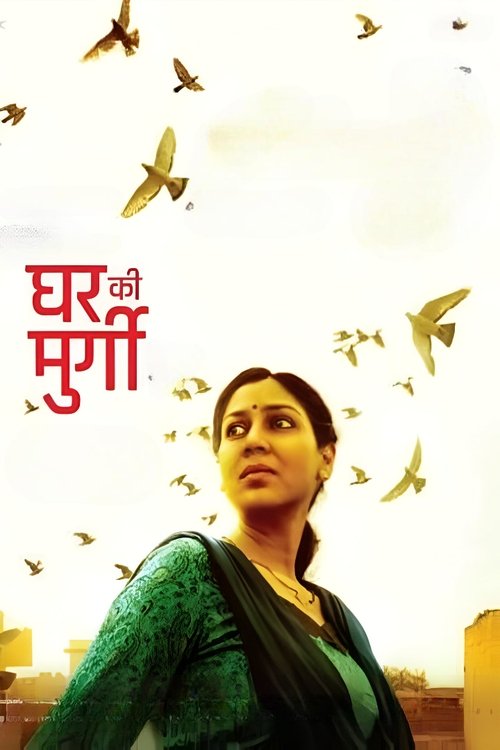
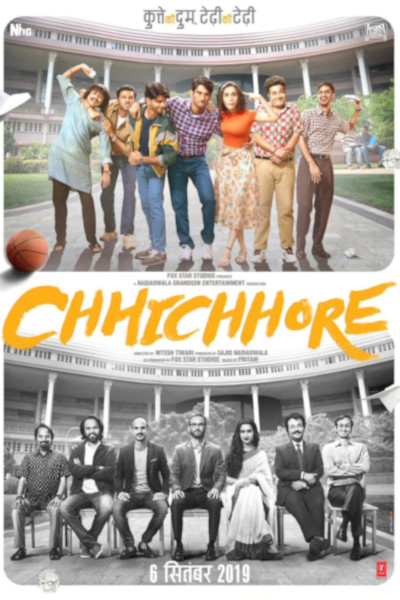

Collaboration Network
Career Analytics
Genre Breakdown
Language Distribution
Films by Decade
Top Co-Actors
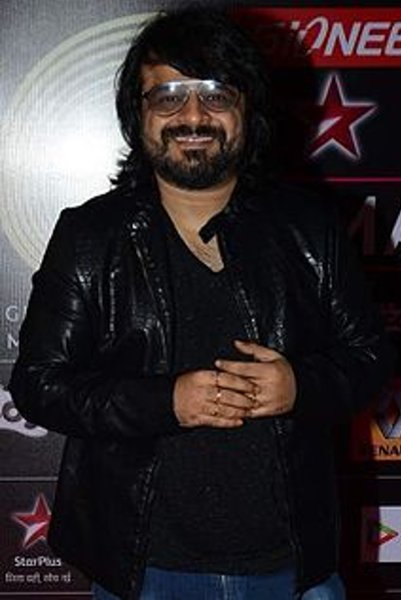
See all →Nitesh Tiwari has worked most frequently with Pritam Chakraborty (2 films).
Did You Know?
Nitesh Tiwari is an Indian film director and screenwriter known for his work in Hindi cinema.
He made his directorial debut with the anthology film 'Chillar Party' (2011), which he co-directed with Vikas Bahl.
His film 'Dangal' (2016) is one of the highest-grossing Indian films of all time.
He won the National Film Award for Best Film on Family Welfare for 'Chillar Party'.
He won the Filmfare Award for Best Director for 'Dangal'.
Legacy & Influence
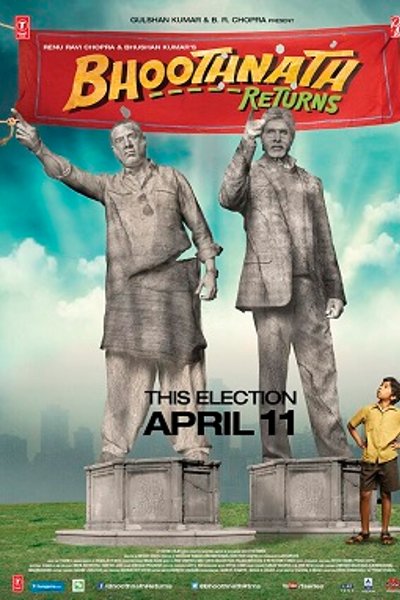
Nitesh Tiwari has established himself as a pivotal filmmaker in contemporary Indian cinema, renowned for his ability to craft narratives that are both commercially successful and critically resonant. His career trajectory showcases a deliberate shift from writing and co-directing to helming major projects that often blend social messages with mainstream entertainment. Tiwari first gained significant recognition as a co-director and writer of the 2011 anthology film 'Chillar Party,' a children's film that tackled social issues with warmth and humor, winning the National Film Award for Best Children's Film. This early success highlighted his skill in handling ensemble casts and delivering poignant stories accessible to all ages. His directorial solo debut, 'Bhoothnath Returns' (2014), was a satirical comedy that cleverly used the supernatural genre to critique political apathy and champion the common voter, further cementing his reputation for embedding substantive themes within popular formats. However, Tiwari's most defining contribution came with the blockbuster 'Dangal' (2016). This sports biopic, based on the life of wrestler Mahavir Singh Phogat and his daughters, became a cultural phenomenon. It broke numerous box office records, both domestically and internationally, particularly in China, where it emerged as one of the highest-grossing non-English foreign films. 'Dangal' was praised for its powerful portrayal of gender equality, familial determination, and sportsmanship, significantly impacting mainstream discourse around women's empowerment in India. The film's success demonstrated the massive global potential of Hindi cinema when driven by a strong, authentic story. His subsequent film, 'Chhichhore' (2019), addressed the sensitive issue of student suicide and academic pressure, promoting a message of resilience and the importance of life beyond success. Through these works, Tiwari has consistently chosen subjects with broad social relevance, executing them with high production values, emotional depth, and mass appeal. His filmmaking is characterized by meticulous research, relatable characters, and a balance of drama and humor, making complex issues palatable to a wide audience. He has played a key role in proving that content-driven cinema can achieve unparalleled commercial success, thereby influencing the industry's shift towards story-centric big-budget productions. As a director and writer, Nitesh Tiwari's legacy lies in his capacity to create landmark films that entertain while provoking thought and fostering positive societal conversation, solidifying his position as a leading architect of modern Bollywood's content revolution.