Vijender Singh
Vijender Singh is an Indian actor, best known for Tamil cinema. Vijender Singh began their career in 2014 and has been a prominent figure in the industry for over 12 years. With 30 credits to their name, Vijender Singh remains one of the most prolific and celebrated talents in the industry. An emerging voice in Tamil cinema, Vijender Singh is already attracting significant attention for their distinctive work.
- Born
- Age
- 40
Biography
Vijender Singh Beniwal is an Indian professional boxer and Hindi cinema actor from Bhiwani, Haryana, primarily known for winning the bronze medal in the middleweight division at the 2008 Beijing Olympics — the first Indian boxer to win an Olympic medal. He made his Bollywood acting debut with Fugly (2014), playing the character Gaurav alongside Mohit Marwah and Kiara Advani in a film about four friends entangled in corruption and politics. His screen presence draws directly on his identity as a decorated athlete, and he has continued to appear in films including Chup (2022) and Kisi Ka Bhai Kisi Ki Jaan (2023) alongside Salman Khan. Off screen, he has remained in public life as a political figure, joining the Bharatiya Janata Party (BJP) in 2024.
Career Milestones
Olympic bronze medal, first Indian boxer to win an Olympic boxing medal
Received Rajiv Gandhi Khel Ratna, India's highest sporting honour
Awarded Padma Shri by Government of India
Bollywood acting debut in Fugly as Gaurav
View film →Turned professional boxer, signed with Queensberry Promotions and won WBO Asia Pacific Super Middleweight title
Vijender Singh by the Numbers
If you watched every Vijender Singh film back-to-back, you'd be at it for roughly 2 hours.
Filmography
See all 30 credits →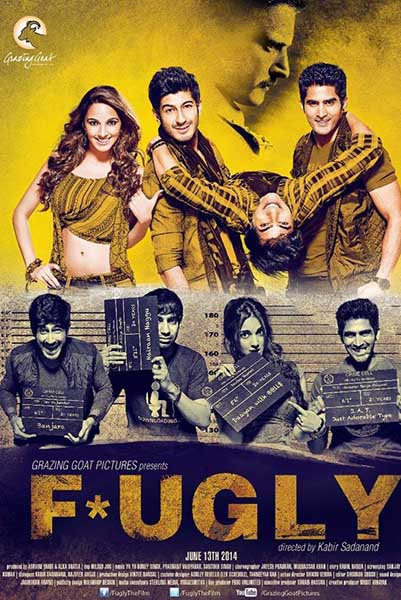
Career Analytics
Language Distribution
Films by Decade
Did You Know?
Vijender Singh is a professional boxer who represented India at the 2008 Beijing Olympics, winning a bronze medal.
He is the first Indian boxer to win an Olympic medal.
Vijender Singh turned professional in 2015 and has held the WBO Asia Pacific super middleweight title.
He made his acting debut in the Bollywood film 'Fugly' in 2014.
He was awarded the Rajiv Gandhi Khel Ratna award, India's highest sporting honor, in 2010.
Legacy & Influence
Vijender Singh's contribution to Indian cinema is defined by his pioneering crossover from elite sport to mainstream Bollywood. As India's first Olympic medalist in boxing (a bronze at the 2008 Beijing Games), he brought a unique and authentic athletic persona to the film industry, predating other notable sports-star transitions. His cinematic debut in 'Fugly' (2014) was significant not for its commercial success but for symbolizing the expanding avenues for national sports heroes in popular entertainment. His presence helped normalize the idea of athletes as credible screen personalities, leveraging his disciplined image and widespread public recognition from his boxing career. While his filmography remains limited, his foray opened doors and set a precedent, demonstrating a viable post-sporting career path in the public eye. His impact lies more in this symbolic trailblazing than in a transformative body of cinematic work. He represents a specific moment where Indian cinema began to more frequently intersect with the real-world credibility of top-tier sports figures, using their established narratives of struggle and triumph to add depth to on-screen roles. His career trajectory from the boxing ring to the film set, while not extensive, contributed to a broader narrative of diversifying the backgrounds of leading personalities in Indian popular culture.