Ashok Kohli
Ashok Kohli is an Indian director, best known for Tamil cinema. Ashok Kohli began their career in 2013. With 30 credits to their name, Ashok Kohli remains one of the most prolific and celebrated talents in the industry. An emerging voice in Tamil cinema, Ashok Kohli is already attracting significant attention for their distinctive work.
Biography
Ashok Kohli is a Hindi cinema director and writer primarily known for his directorial debut Rajdhani Express (2013), an action thriller film. Rajdhani Express starred Leander Paes in his Bollywood debut alongside Jimmy Sheirgill and Priyanshu Chatterjee, and Kohli also handled screenplay and dialogue for the film. He is noted for conducting extensive acting workshops to prepare Leander Paes for his on-screen role, reflecting a hands-on, actor-focused directorial approach. He later directed Modi karma and me (2019).
Ashok Kohli by the Numbers
If you watched every Ashok Kohli film back-to-back, you'd be at it for roughly 2 hours.
Filmography
See all 30 credits →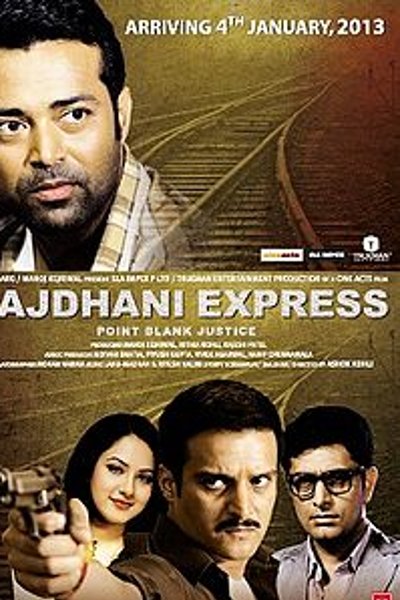
Career Analytics
Language Distribution
Films by Decade
Legacy & Influence
Ashok Kohli is a notable figure in Indian cinema, primarily recognized as a film producer and director whose career spans several decades, with significant activity during the 1980s and 1990s. His primary contribution lies in producing and directing a series of commercially successful and culturally resonant films that often blended family drama, romance, and social themes, catering to a mainstream Hindi film audience. Kohli's production house, Kohli Brothers Productions, was instrumental in launching and solidifying the careers of several prominent actors and technicians. A defining aspect of his legacy is his association with actor Mithun Chakraborty, for whom he produced multiple successful films that helped establish Chakraborty as a major star in the 1980s. Films like 'Disco Dancer' (1982), which Kohli produced, became cultural phenomena, not only achieving massive box office success in India but also gaining unprecedented popularity in international markets, particularly the Soviet Union, where it attained cult status and significantly boosted the global reach of Indian popular cinema. Kohli's filmography often featured strong musical elements, with soundtracks that achieved lasting popularity. His work demonstrated a keen understanding of mass entertainment, combining melodrama, music, and spectacle. While not always critically acclaimed, his productions played a crucial role in shaping the commercial Hindi film template of their era and in expanding the audience for Indian cinema abroad. His career trajectory reflects the model of the independent producer-director who could identify and cater to specific audience tastes, contributing to the era's vibrant cinematic landscape without the backing of major studios.