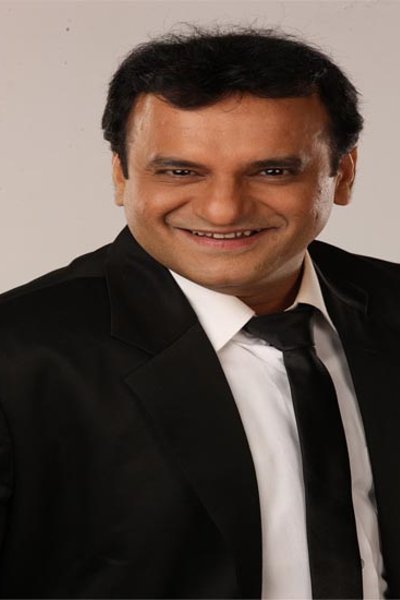
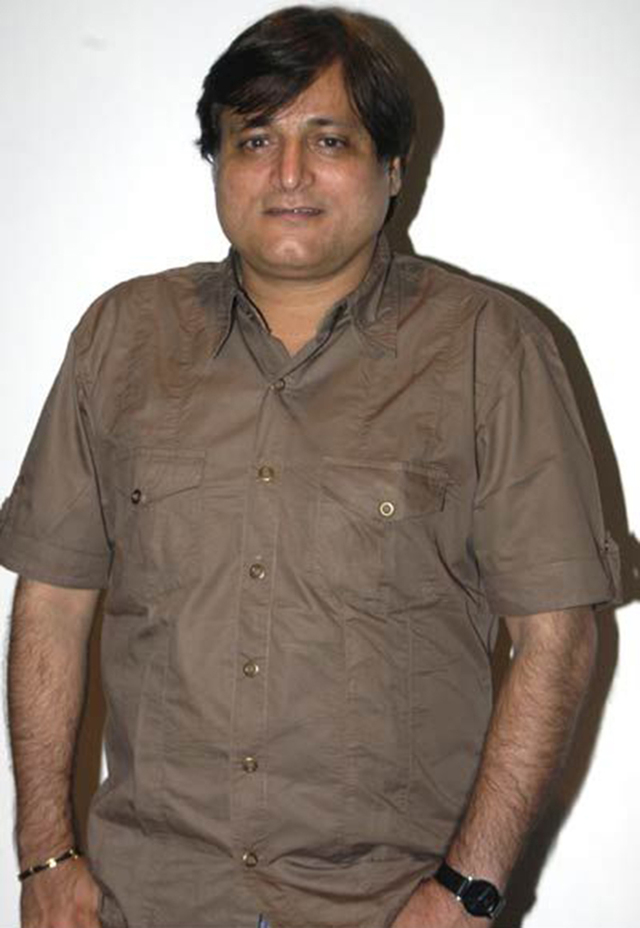
Paresh Ganatra
Paresh Ganatra is an Indian actor, best known for Tamil cinema. Paresh Ganatra began their career in 2006 and has been a prominent figure in the industry for over 20 years. With 30 credits to their name, Paresh Ganatra remains one of the most prolific and celebrated talents in the industry. Spanning 20+ years, Paresh Ganatra's career remains one of the longest and most celebrated in Tamil cinema.
- Born
- Age
- 61
Biography
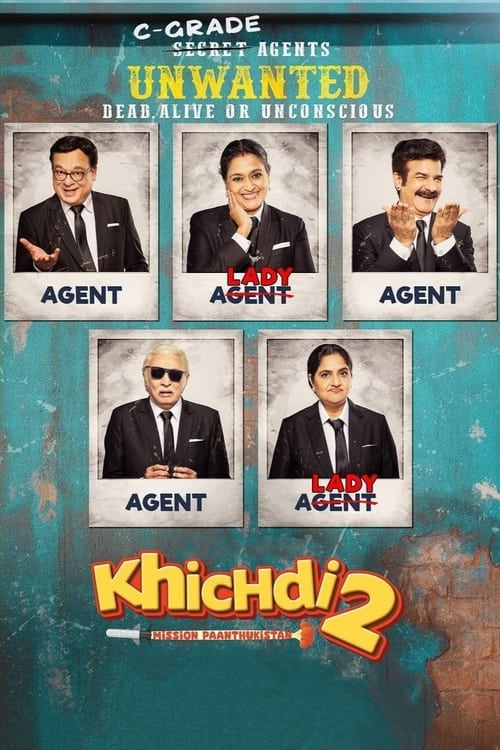
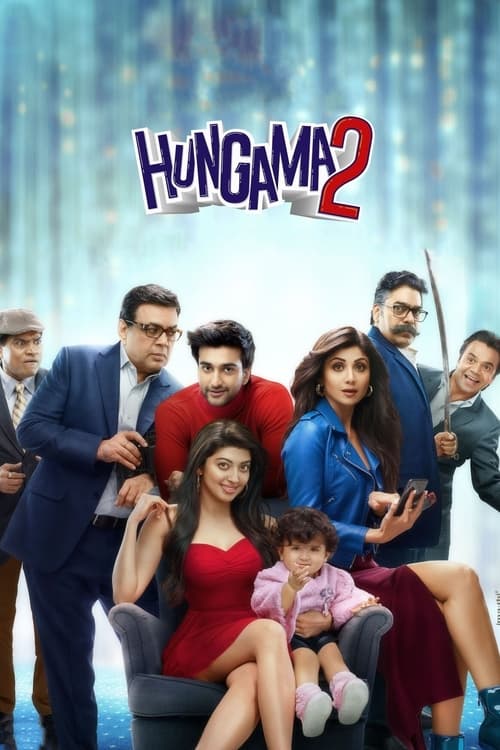
Paresh Ganatra is a Mumbai-born Hindi film and television actor, primarily known for his comic supporting roles in mainstream Bollywood productions. He won the Indian Television Academy Award for Best Supporting Actor in 2007 for his role as Praveen Thakkar in the Star Plus comedy series Baa Bahu Aur Baby, and appeared in Delhi Belly (2011) as Manish Chand Jain and Rowdy Rathore (2012) as 2G. A product of Gujarati theatre from 1984 to 1992, Ganatra brings sharp physical comedy and character-actor precision to ensemble comedies, often portraying bumbling or scheming side characters. His recent credits include Hungama 2 (2021) and Khichdi 2: Mission Paanthukistan (2023), continuing a career spanning over two decades in commercial Hindi cinema.
Career Milestones
Film debut
View film →Highest rated: Delhi Belly (7.2)
View film →Iconic Roles
Baa Bahoo Aur Baby
The lovable and often flustered son-in-law in the hit television comedy series about a joint family.
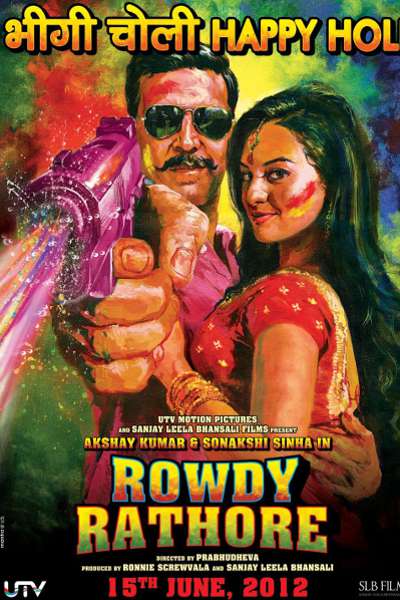
Rowdy Rathore
A comic supporting character in the action film starring Akshay Kumar.
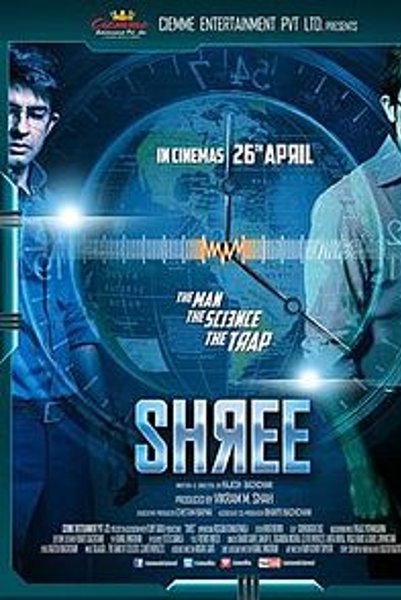
Shree
A police inspector role in the comedy film.
Defining Moments
Breakthrough Role in 'Baa Bahoo Aur Baby'
Landed the lead role of Praveen Thakkar in the highly successful Star Plus sitcom, making him a household name.
Film Debut in 'No Entry'
Appeared in the major Bollywood comedy hit 'No Entry', marking a significant entry into mainstream Hindi cinema.
Role in Blockbuster 'Rowdy Rathore'
Featured in the commercially successful action film 'Rowdy Rathore', expanding his filmography in big-budget projects.
Paresh Ganatra by the Numbers
If you watched every Paresh Ganatra film back-to-back, you'd be at it for roughly 23 hours. Most-paired with Manoj Joshi — 2 films together.
Filmography
See all 30 credits →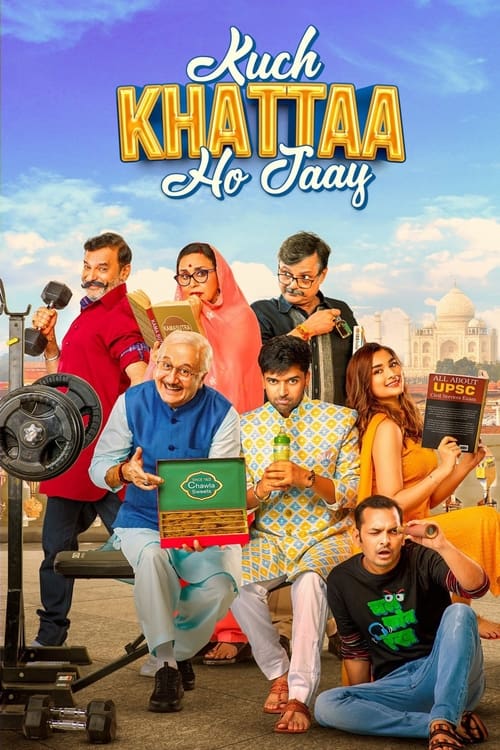
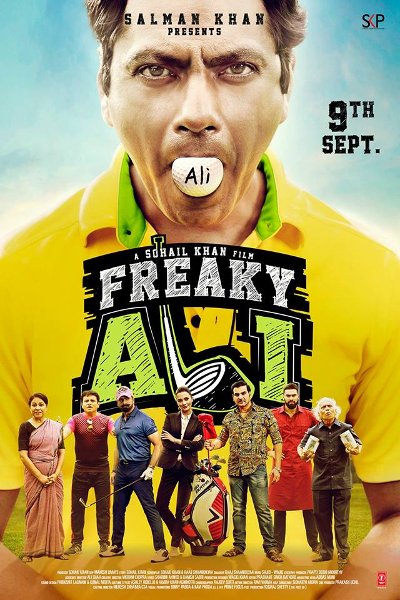
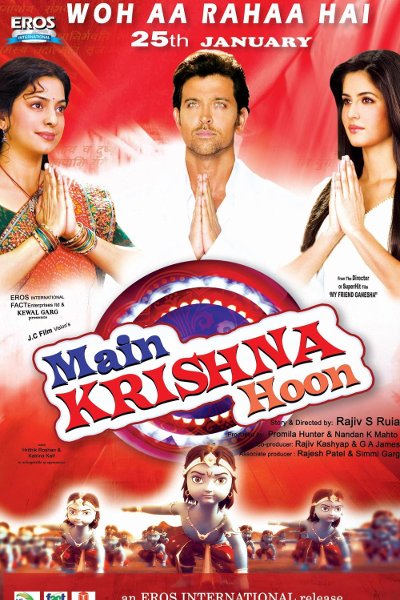
Collaboration Network
Career Analytics
Genre Breakdown
Language Distribution
Films by Decade
Top Co-Actors
See all →Paresh Ganatra has worked most frequently with Manoj Joshi (2 films).
Did You Know?
Paresh Ganatra is a trained theatre actor who began his career on stage before transitioning to television and film.
He gained widespread recognition for his role as Praveen Thakkar in the popular Star Plus sitcom 'Baa Bahoo Aur Baby', which aired from 2005 to 2010.
He played a comic role in the 2005 hit film 'No Entry', starring alongside Salman Khan, Anil Kapoor, and Fardeen Khan.
He appeared in the 2012 blockbuster 'Rowdy Rathore', starring Akshay Kumar, in a supporting role.
He has acted in Gujarati theatre productions and is known for his work in regional cinema as well.
Legacy & Influence
Paresh Ganatra has carved a distinct niche in Indian popular culture as a versatile character actor specializing in comedy. His career trajectory is a testament to the importance of reliable supporting performers in mainstream cinema and television. Ganatra's breakthrough came with the long-running and beloved Star Plus sitcom 'Baa Bahoo Aur Baby' (2005–2010), where his portrayal of Praveen Thakkar made him a household name. This role established his signature style of playing earnest, often flustered, and endearingly comic characters within familial and social settings. His success on television provided a strong foundation for his transition into films, where he became a familiar face in the ensemble casts of major Hindi comedies and action films. Ganatra's contribution lies in his ability to deliver consistent, scene-stealing performances in limited screen time, enhancing films without overshadowing the leads. In hits like 'No Entry' (2005) and 'Rowdy Rathore' (2012), he provided reliable comic relief, mastering the art of the memorable cameo. His filmography, though not always headlined by critical darlings, reflects a career built on working within the commercial mainstream, appealing to a broad audience. He represents a specific archetype in Indian cinema—the dependable character actor who brings authenticity and humor to stereotypical roles like the friend, the neighbor, or the corrupt official. By perfecting this craft over decades across TV, film, and stage, Ganatra has contributed to the comedic fabric of Indian entertainment, demonstrating that impactful performances are not solely the domain of lead actors. His sustained presence underscores the collaborative nature of filmmaking, where such performers are essential in building the world of a story and connecting with the audience on a relatable, often humorous, level.