Dinesh P. Bhonsle
Dinesh P. Bhonsle is an Indian director, best known for Tamil cinema. Dinesh P. Bhonsle began their career in 2013. With 30 credits to their name, Dinesh P. Bhonsle remains one of the most prolific and celebrated talents in the industry. An emerging voice in Tamil cinema, Dinesh P. Bhonsle is already attracting significant attention for their distinctive work.
Biography
Dinesh P. Bhonsle is an Indian film director, producer, and screenplay writer from Pomburpa, Goa, primarily associated with Konkani and Marathi cinema. He made his directorial debut with the Konkani film Marmabandh (2008), and later directed the Hindi prison-drama Calapor (2013), starring Rituparna Sengupta, Priyanshu Chatterjee, and Raghubir Yadav, which explored themes of reformation within the Indian prison system. His films are notable for their socially conscious storytelling, with Calapor being set inside a jail where an art program becomes the vehicle for inmate rehabilitation. He has also directed Enemy (2015) and Amori (2019), extending his work across multiple Indian language film industries.
Career Milestones
Directorial debut with Marathi film Marmabandh
Directed Calapor, a Hindi thriller film
View film →Directed Enemy (Dushmaan), which won the 63rd National Film Award for Best Konkani Film
Enemy won Golden Camera Trophy at 8th Nashik International Film Festival
Enemy selected for London Indian Film Festival
Dinesh P. Bhonsle by the Numbers
If you watched every Dinesh P. Bhonsle film back-to-back, you'd be at it for roughly 2 hours.
Filmography
See all 30 credits →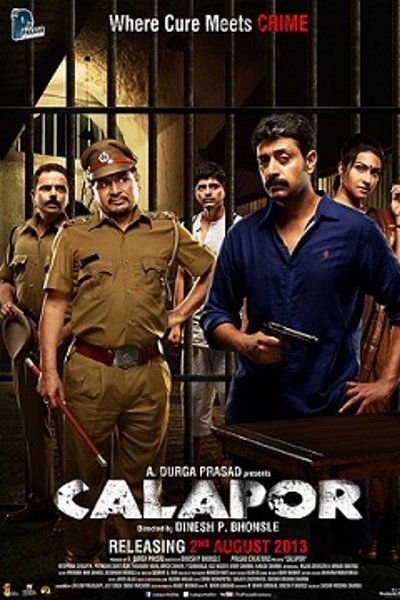
Career Analytics
Language Distribution
Films by Decade
Legacy & Influence
Dinesh P. Bhonsle is recognized within the Indian film industry primarily for his work as a sound designer and sound editor. His career trajectory demonstrates a specialized technical contribution to cinema, operating behind the scenes to shape the auditory experience of films. Bhonsle's work spans several decades, with his involvement noted in significant Hindi films from the late 20th and early 21st centuries. He is frequently associated with the sound design of major productions, where his role was crucial in creating immersive soundscapes that complemented the visual narrative. His contributions are part of the broader evolution of sound technology in Indian cinema, moving from simpler recording and mixing techniques to more complex, layered sound design that became industry standard. While not a household name, his consistent presence on the credits of notable films indicates a respected professional standing among filmmakers. His work represents the essential, though often overlooked, craft of sound engineering that is fundamental to cinematic storytelling. The technical precision required in his field contributed to elevating production values and audience immersion. Without access to a verified biography or specific award citations, his legacy remains defined by his filmography and the professional respect accorded to technicians who master their craft with consistency over a long career.