Bhaumik Sampat
Bhaumik Sampat is an Indian actor, best known for Tamil cinema. Bhaumik Sampat began their career in 2012. With 30 credits to their name and an average audience rating of 6.3, Bhaumik Sampat remains one of the most prolific and celebrated talents in the industry. An emerging voice in Tamil cinema, Bhaumik Sampat is already attracting significant attention for their distinctive work.
Biography
Bhaumik Sampat is a Bollywood actor from Rajkot, Gujarat, who rose to prominence through the Zee Cinestar Ki Khoj talent search competition. He made his film debut in Sadda Adda (2012), directed by Muazzam Beg, playing Irfan Habib — one of six bachelors sharing an apartment in a comedy-drama co-starring Karanvir Sharma and Shaurya Chauhan. He later appeared in Samrat & Co. (2014) as Inspector Khalid, and took a two-year hiatus after sustaining a severe back injury on set. He continued working in Hindi films and Gujarati digital content, including Bhagwan Bachave (2022) and the web series Tikkhi Mitthi Life.
Career Milestones
Iconic Roles
Sadda Adda
An architect from Moradabad living with five other bachelors in a middle-class Mumbai apartment; one of the lead roles in this ensemble comedy-drama.
Samrat & Co.
A police inspector role in this Bollywood mystery-thriller film.
Bhaumik Sampat by the Numbers
If you watched every Bhaumik Sampat film back-to-back, you'd be at it for roughly 2 hours.
Filmography
See all 30 credits →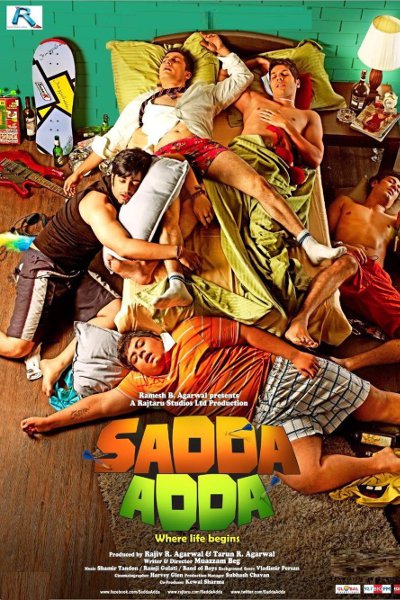
Career Analytics
Language Distribution
Films by Decade
Legacy & Influence
Bhaumik Sampat is an actor whose primary known contribution to Indian cinema is his role as Irfan Habib in the 2012 Hindi film 'Sadda Adda'. This film, a comedy-drama centered on the lives and aspirations of six friends sharing a flat in Delhi, developed a niche following for its relatable portrayal of youth and camaraderie. Sampat's performance was part of an ensemble cast that helped ground the film in a specific, authentic milieu. His career trajectory beyond this role is not widely documented in public sources, limiting a detailed analysis of his broader impact on the industry. As such, his contribution remains defined by this single, notable project which resonated with a segment of the audience seeking stories about urban youth culture and friendship. Without further verified film credits or public artistic endeavors, his influence is confined to the legacy of 'Sadda Adda' itself—a film remembered for its earnest attempt to capture a slice of life from a particular time and setting in contemporary India.