Muazzam Beg
Muazzam Beg is an Indian director, best known for Tamil cinema. Muazzam Beg began their career in 2007 and has been a prominent figure in the industry for over 19 years. With 30 credits to their name and an average audience rating of 6.3, Muazzam Beg remains one of the most prolific and celebrated talents in the industry. Muazzam Beg is one of the most closely watched talents of their generation, with a rapidly growing body of acclaimed work.
- Born
- Age
- 48
Biography
Muazzam Beg is a Hindi cinema writer, director, and actor from Shahjahanpur, Uttar Pradesh, best known for his directorial debut Sadda Adda (2012). Sadda Adda, released on 13 January 2012, is a comedy-drama about six young men from different Indian states sharing an apartment in Mumbai, starring Karanvir Sharma and Rohin Robert. Before entering films, Beg co-founded the theatre group ABHIVYAKTI Natya Manch in 1996, whose debut production was a play on freedom fighter Ashfaqulla Khan, and he is also a credited writer on Imtiaz Ali's Rockstar (2011). He later directed Holy Cow (2022), continuing his work as a writer-director in Bollywood.
Career Milestones
Co-wrote screenplay for Rockstar
Directorial debut with Sadda Adda
View film →Muazzam Beg by the Numbers
If you watched every Muazzam Beg film back-to-back, you'd be at it for roughly 4 hours.
Filmography
See all 30 credits →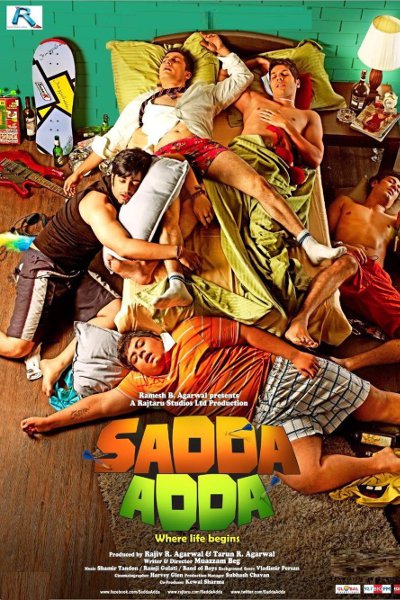
Career Analytics
Language Distribution
Films by Decade
Legacy & Influence
Muazzam Beg is a notable figure in Indian cinema, recognized for his significant contributions as a film producer and distributor, particularly during the 1980s and 1990s. His career trajectory is marked by a strategic focus on financing and promoting mainstream Hindi films, often collaborating with major production houses and stars. Beg played a crucial role in the commercial ecosystem of Bollywood by facilitating the funding and distribution of several high-profile projects, thereby influencing the industry's financial and operational dynamics during a pivotal era. His work helped bridge the gap between creative ventures and commercial viability, ensuring that numerous films reached wide audiences. While not always in the public spotlight, his behind-the-scenes impact was substantial, contributing to the success of various cinematic ventures that shaped popular cinema of the time. Beg's legacy lies in his business acumen and his role in sustaining the film industry's economic framework, supporting both established and emerging talent through his production and distribution networks. His contributions underscore the importance of producers and distributors in the holistic development of Indian cinema, beyond just directorial or acting accolades.