Ashwini Chaudhary
Ashwini Chaudhary is an Indian director, best known for Tamil cinema. Ashwini Chaudhary began their career in 2003. With 30 credits to their name, Ashwini Chaudhary remains one of the most prolific and celebrated talents in the industry. Spanning 20+ years, Ashwini Chaudhary's career remains one of the longest and most celebrated in Tamil cinema.
Biography
Ashwini Chaudhary is a Hindi cinema director and writer from Haryana, best known for socially conscious dramas and mainstream Bollywood comedies. He won the National Award for Best Direction Debut for his first film Laado (2000), and followed it with Dhoop (2003), a critically praised drama about a Kargil martyr's family starring Om Puri and Revathi, in which Gul Panag made her Bollywood debut. His directorial style spans from earnest social drama to commercial entertainers, as seen in Good Boy, Bad Boy (2007) with Tusshar Kapoor and Emraan Hashmi, and the divorce-comedy Jodi Breakers (2012) with R. Madhavan and Bipasha Basu. He later transitioned to television, directing series such as Lakhon Mein Ek (2012–13) and Rishton Ka Chakravyuh (2017), before returning to features with the thriller Setters (2019).
Career Milestones
Directed debut film Laado, won National Award for Best Direction Debut
Directed Dhoop, a critically acclaimed drama based on the Battle of Tiger Hill
View film →Made television directorial debut with Lakhon Mein Ek
Directed Jodi Breakers, a Bollywood romantic comedy
View film →Directed Setters, a Hindi crime thriller
View film →Defining Moments
The climactic confrontation where the grieving father Om Puri refuses to back down against the corrupt bureaucracy, demanding recognition for his martyred son Captain Anuj Nayar
The emotional and thematic core of the film — Chaudhary's deliberate choice to show no vigilante violence, only quiet parental dignity, was widely praised as a mature departure from mainstream Bollywood war films. The film won multiple awards and is his signature directorial achievement.
View film →The opening sequences establishing the Nayar family's ordinary life before tragedy, juxtaposed with bureaucratic indifference to soldiers' families post-Kargil
Established Chaudhary's restrained, realistic storytelling voice and won him recognition for his debut as a serious filmmaker tackling social issues around soldier welfare.
View film →Gul Panag's debut performance in her first scene as the daughter, which launched her Bollywood career under Chaudhary's direction
Dhoop is credited as the launchpad for Gul Panag, cementing Chaudhary's reputation as a director who could draw nuanced performances from newcomers.
View film →Ashwini Chaudhary by the Numbers
If you watched every Ashwini Chaudhary film back-to-back, you'd be at it for roughly 9 hours.
Filmography
See all 30 credits →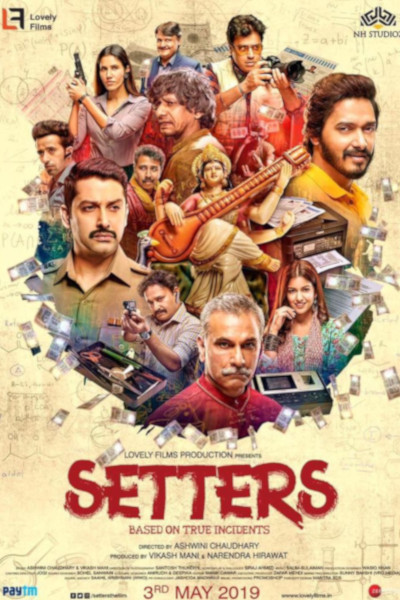

Career Analytics
Genre Breakdown
Language Distribution
Films by Decade
Legacy & Influence
Ashwini Chaudhary is a significant figure in Indian cinema as a director and screenwriter, known for his work in Hindi films. He made his directorial debut with the 2007 film 'Hattrick', a multi-narrative story produced by Shah Rukh Khan's Red Chillies Entertainment. The film, while not a major commercial success, showcased his interest in exploring interconnected human stories. His most notable and impactful work is the 2017 film 'Jhalki', which he directed and co-wrote. This film marked a decisive turn in his career, establishing his commitment to socially relevant cinema. 'Jhalki', starring Boman Irani and Divya Dutta, is a poignant drama focusing on child trafficking and the right to education, inspired by the real-life story of child activist Kailash Satyarthi. The film was critically acclaimed for its sensitive handling of a grave social issue and was India's official entry for the Best Foreign Language Film at the 92nd Academy Awards. This selection underscores the film's quality and Chaudhary's ability to craft narratives with international resonance and social purpose. His career trajectory demonstrates a shift from mainstream ensemble projects to dedicated issue-based filmmaking. Through 'Jhalki', Chaudhary has contributed a powerful cinematic voice to advocacy against child labor, using the medium to educate and provoke discussion. His work aligns with a tradition in Indian cinema of directors employing film for social change, and he has carved a niche for himself within that space. His contribution lies in bringing a harsh, often overlooked reality to a broader audience with a blend of emotional storytelling and a clear activist message, thereby expanding the scope of commercial Hindi cinema to include impactful social dramas.