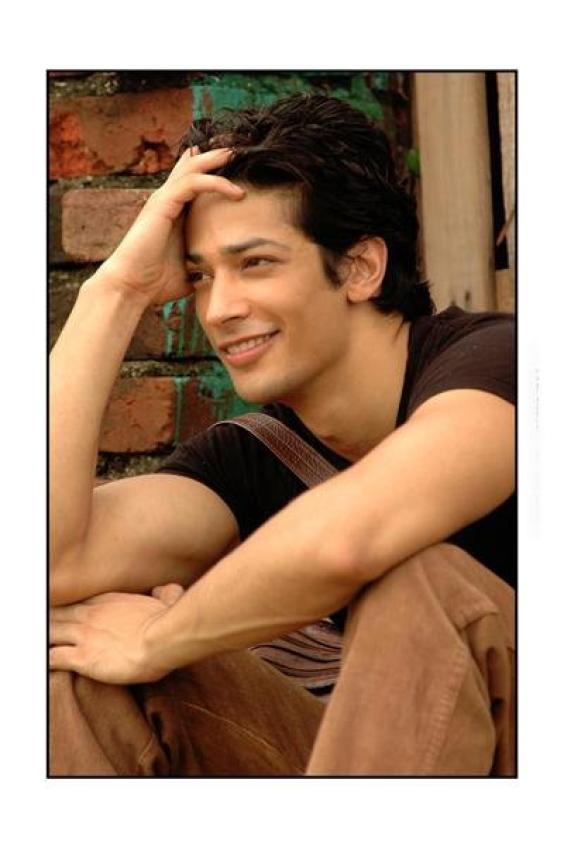
Muzamil Ibrahim
Muzamil Ibrahim is an Indian actor, best known for Tamil cinema. Muzamil Ibrahim began their career in 2007 and has been a prominent figure in the industry for over 19 years. With 30 credits to their name, Muzamil Ibrahim remains one of the most prolific and celebrated talents in the industry. Muzamil Ibrahim is one of the most closely watched talents of their generation, with a rapidly growing body of acclaimed work.
- Born
- Age
- 39
Biography
Muzamil Ibrahim is a Hindi film actor and model from Srinagar, Kashmir, who rose to prominence after winning the Gladrags Manhunt Mr. India contest in 2003. He made his film debut in Dhokha (2007) playing ACP Zaid Ahmed Khan, earning nominations for Filmfare, IIFA, and Stardust Awards for Best Male Debut. He followed this with Horn 'OK' Pleassss (2009) and the romantic ensemble comedy Will You Marry Me? (2012). Earlier in life, he received the President's Bravery Award (Rashtrapati Award) for saving a fellow student from drowning while in third standard.
Career Milestones
Bollywood film debut in Dhokha as ACP Zaid Ahmed Khan
View film →Nominated for Best Debutant at Filmfare, IIFA, and Stardust Awards
View film →Appeared in romantic comedy Will You Marry Me? as Nikhil
View film →Career resurgence with supporting role in espionage thriller web series Special Ops
Iconic Roles
Dhokha
Muzammil Ibrahim's debut role as a police officer in this Pooja Bhatt-directed thriller. The performance earned him nominations for Best Debutant at Filmfare, IIFA, and Stardust Awards.
Special Ops
A RAW agent role in the popular Disney+Hotstar espionage web series, marking his notable return to acting after a long gap.
Defining Moments
Debut performance as ACP Zaid Ahmed Khan — a young Muslim police officer who discovers his wife may have been a suicide bomber responsible for a deadly club bombing. The role required extraordinary emotional range, navigating suspicion, grief, and moral conflict.
Breakthrough debut introduced by Mahesh Bhatt; earned nominations across all major Best Debutant categories (Filmfare, IIFA, Zee, Stardust) and the film was declared tax-free across India for its strong content. Established him as a serious dramatic actor at age 21.
View film →Playing a double lead role opposite Nana Patekar in the comedy Horn OK Pleassss, demonstrating comic versatility after being known primarily for serious dramatic work.
Marked a deliberate genre shift, showing range beyond the intense cop/thriller roles that defined his early career.
Playing Agent Avinash, a RAW operative in the ensemble spy thriller Special Ops, holding his own alongside Kay Kay Menon in a high-stakes espionage narrative.
Ibrahim himself called this a 'turning point' in his career — it revived mainstream attention after a quieter mid-career phase and exposed him to a much larger OTT audience on Disney+ Hotstar.
Muzamil Ibrahim by the Numbers
If you watched every Muzamil Ibrahim film back-to-back, you'd be at it for roughly 4 hours.
Filmography
See all 30 credits →
Career Analytics
Language Distribution
Films by Decade
Did You Know?
Muzamil Ibrahim began his career as a model before transitioning to acting.
He made his acting debut in the 2007 film 'Dhokha'.
He is known for his work in Hindi cinema as well as in South Indian film industries.
He has appeared in music videos, including the popular song 'Tera Hone Laga Hoon' from the film 'Ajab Prem Ki Ghazab Kahani'.
He has acted in films across multiple languages including Hindi, Telugu, and Tamil.
Legacy & Influence
Muzamil Ibrahim is a model and actor whose career in Indian cinema, while not defined by a large volume of leading roles, represents a specific trajectory within the industry's early 21st-century landscape. Primarily recognized for his work in modeling and his striking screen presence, his transition to acting placed him in a cohort of professionals who bridged the fashion world and film. His debut in the thriller 'Dhokha' (2007) marked his entry into Hindi cinema, a film that, despite a modest reception, provided a platform. His subsequent role in the romantic drama 'Will You Marry Me?' (2012) offered a more prominent lead part, showcasing his ability to anchor a mainstream narrative. While his filmography is selective, his contribution lies in embodying a contemporary, urban aesthetic that resonated with a certain segment of audiences during that period. His career trajectory reflects the opportunities and challenges for models transitioning to acting, navigating a space between commercial cinema and niche projects. He did not achieve widespread mainstream stardom but maintained a recognizable profile, contributing to the diverse fabric of supporting and leading actors who populate various genres. His work remains a point of reference for discussions on model-actors and the specific type of visual and stylistic identity they brought to films of the 2000s and early 2010s.