Jai Quehaeni
Jai Quehaeni is an Indian actor, best known for Tamil cinema. Jai Quehaeni began their career in 2012. With 30 credits to their name and an average audience rating of 6.9, Jai Quehaeni remains one of the most prolific and celebrated talents in the industry. Jai Quehaeni is one of the most closely watched talents of their generation, with a rapidly growing body of acclaimed work.
Biography
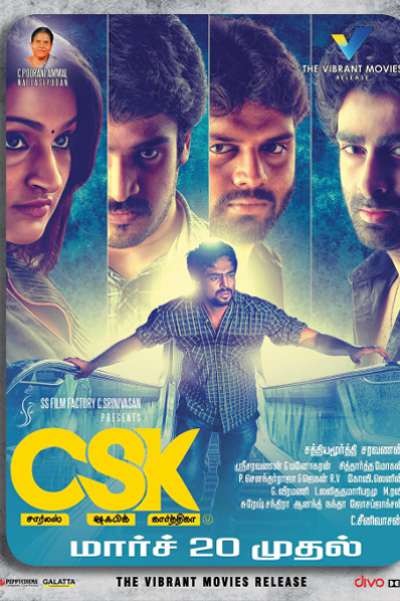
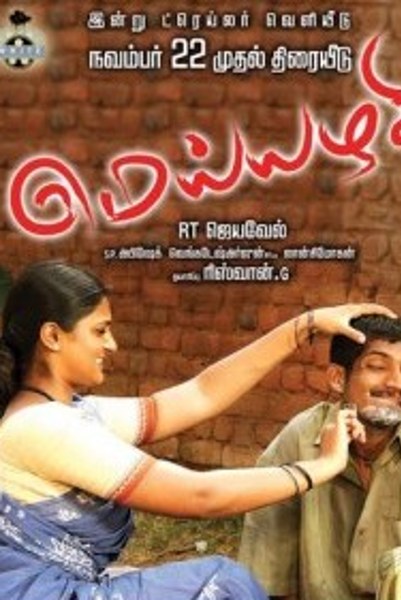
Jai Quehaeni is an Indian actress and classical Bharatanatyam dancer working in Tamil cinema, known for combining her professional dance background with acting. She made her film debut in Aarohanam (2012) and starred in Meiyyazhagi (2013), directed by RT Jayavel, playing alongside Balaji in a family drama centered on a sibling affected by cerebral palsy. A trained Bharatanatyam practitioner, she received the 'Spirit of Youth' award from The Madras Music Academy in 2014 and the Dharmavarappu Seetharama Anjaneyalu Endowment Prize from Sri Krishna Gana Sabha, Chennai. Her subsequent film credits include Charles Shafiq Karthiga (2015) and Mathi Mayanginen (2015).
Career Milestones
Film debut as an actress in Tamil cinema
View film →Played the titular lead role, receiving critical recognition for holding the story together
Continued acting career with two Tamil film releases
Defining Moments
Film debut as the missing mother's daughter in the family drama, introducing her to Tamil cinema audiences
Debut in a critically regarded family drama directed by Lakshmy Ramakrishnan, giving her early exposure in a credible indie production
View film →Titular role as Meiyyazhagi — a selfless sister devoted to caring for her brother with cerebral palsy, anchoring the film's emotional narrative entirely on her shoulders
Critics specifically noted she 'manages to hold the story together' in the lead role, establishing her as a capable lead actress in Tamil indie drama
Water tank stunt — submerged in a 200-litre tank with hands and legs bound, performed without a body double
Widely cited in press coverage as a rare example of a Tamil actress personally executing a dangerous action stunt; drew comparisons to hero-level action sequences
Dragging stunt performed for nearly two hours continuously without a body double in the thriller's climax sequences
Reinforced her reputation for physical commitment; the director credited her bravery as central to the film's positive reception
Jai Quehaeni by the Numbers
If you watched every Jai Quehaeni film back-to-back, you'd be at it for roughly 9 hours.
Filmography
See all 30 credits →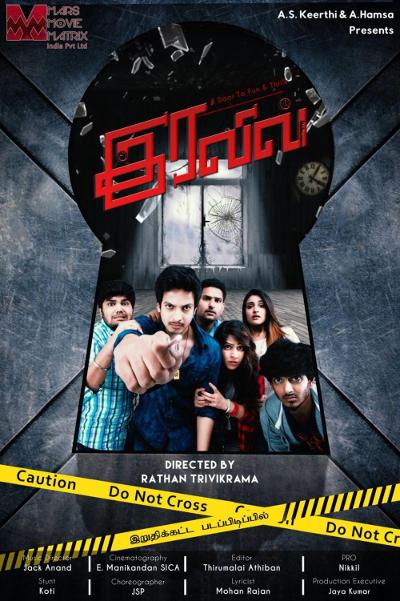
Career Analytics
Language Distribution
Films by Decade
Legacy & Influence
Jai Quehaeni is a supporting actor in Tamil cinema whose career, though not widely documented, represents the essential contributions of character artists to the industry's storytelling fabric. His most notable role came in the 2012 independent film 'Aarohanam', directed by Lakshmy Ramakrishnan. In this critically acclaimed drama, which explores mental health through the story of a missing mother, Quehaeni's performance added a layer of grounded realism to the ensemble cast. The film's success at festivals and its positive critical reception brought attention to its actors, including Quehaeni, for their part in a narrative that broke from commercial tropes. His subsequent appearance in 'Meiyazhagi' (2013) further cemented his presence in the early 2010s Tamil indie scene. While his filmography is limited, his work aligns with a period where Tamil cinema saw a rise in smaller, character-driven films that relied on capable supporting casts to enhance their authenticity. His contribution, therefore, lies not in widespread fame but in the professional execution of roles that served these specific narratives. Actors like Quehaeni form the backbone of regional cinema, enabling lead performances and directorial visions to resonate more deeply by providing credible worlds. Without such performers, the industry's diversity of stories would be diminished. His career trajectory underscores the collaborative nature of filmmaking, where every role, regardless of screen time, contributes to the final artistic product and the cultural dialogue of Indian cinema.