Lalit Marathe
Lalit Marathe is an Indian director, best known for Tamil cinema. Lalit Marathe began their career in 2003. With 30 credits to their name, Lalit Marathe remains one of the most prolific and celebrated talents in the industry. Spanning 20+ years, Lalit Marathe's career remains one of the longest and most celebrated in Tamil cinema.
Biography
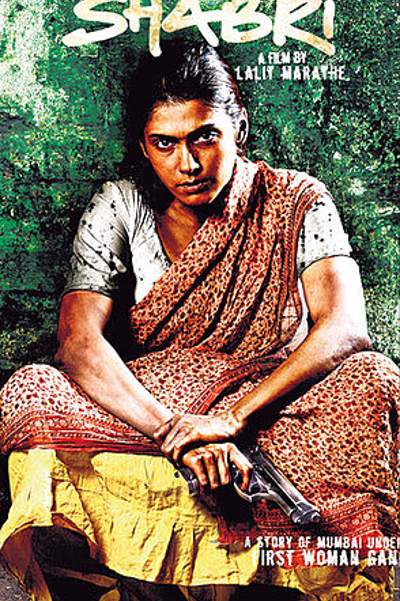
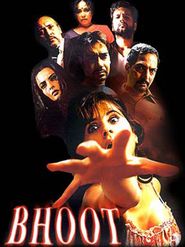
Lalit Marathe is an Indian Hindi cinema director and screenwriter primarily known for his work in Bollywood. He made his directorial debut with Shabri (2011), an action crime drama produced by Ram Gopal Varma starring Ishaa Koppikar as Mumbai's first female crime lord. He is also a credited screenwriter on notable films including Swades (2004) and Bhoot (2003). He returned to direction after an eight-year gap with the horror film Cookie (2020), co-directed with Smita Tripathi and starring Sai Tamhankar and Heeba Shah.
Career Milestones
Screenplay contribution to Swades, a critically acclaimed Shah Rukh Khan film directed by Ashutosh Gowariker
Directorial debut with Shabri, a Hindi action film produced by Ram Gopal Varma
View film →Wrote and directed Cookie, a horror film marking his return to direction after 8 years
View film →Lalit Marathe by the Numbers
If you watched every Lalit Marathe film back-to-back, you'd be at it for roughly 7 hours. Most-paired with Pradeep Rawat — 2 films together.
Filmography
See all 30 credits →
Collaboration Network
Career Analytics
Genre Breakdown
Language Distribution
Films by Decade
Top Co-Actors
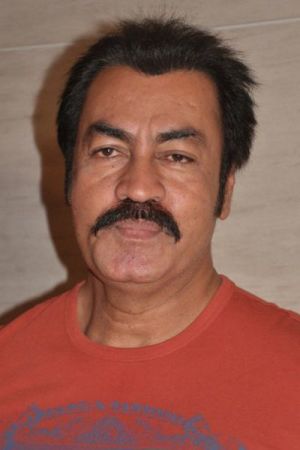
See all →Lalit Marathe has worked most frequently with Pradeep Rawat (2 films).
Legacy & Influence
Lalit Marathe is a notable figure in the Indian film industry, recognized primarily for his work as a producer. His career trajectory is defined by a strategic focus on Marathi cinema, where he has played a pivotal role in backing and nurturing projects that often blend commercial appeal with strong regional storytelling. Operating through his production banner, Marathe's contributions have been instrumental in the development and release of several significant films during the 2010s and beyond. His work is characterized by a commitment to quality production values and supporting both established and emerging talent within the Marathi film ecosystem. By providing a stable platform for filmmakers, Marathe has helped facilitate movies that have achieved both critical recognition and popular success, thereby strengthening the infrastructure and market for regional language cinema. His influence extends beyond single projects, contributing to a broader wave of professionalism and growth in the industry. While not a frequent public figure, his behind-the-scenes role as a producer who identifies and champions viable scripts and directorial visions marks a substantive contribution. This support has aided in the creation of films that resonate with contemporary Marathi audiences while also exploring diverse genres. In the landscape of Indian cinema, where Hindi-language films often dominate discourse, producers like Lalit Marathe are essential for the vitality and sustainability of regional film traditions. His legacy lies in being a reliable force in production, enabling stories from Maharashtra to reach screens with the technical and financial backing necessary to compete and thrive in a crowded media environment.