Vijay Lalwani
Vijay Lalwani is an Indian director, best known for Tamil cinema. Vijay Lalwani began their career in 2010. With 30 credits to their name and an average audience rating of 6.8, Vijay Lalwani remains one of the most prolific and celebrated talents in the industry. An emerging voice in Tamil cinema, Vijay Lalwani is already attracting significant attention for their distinctive work.
Career Milestones
Film debut
View film →Highest rated: Karthik Calling Karthik (6.8)
View film →Vijay Lalwani by the Numbers
If you watched every Vijay Lalwani film back-to-back, you'd be at it for roughly 2 hours.
Filmography
See all 30 credits →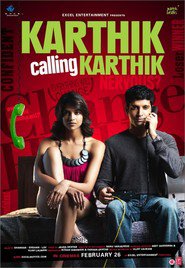
Career Analytics
Language Distribution
Films by Decade
Legacy & Influence
Vijay Lalwani is a significant figure in contemporary Hindi cinema, recognized primarily as a director and screenwriter who brought a distinct, modern sensibility to the thriller and urban drama genres in the late 2000s and early 2010s. His career trajectory is defined by a focus on meticulous craft and character-driven narratives, often exploring themes of obsession, psychological complexity, and moral ambiguity within a metropolitan context. Lalwani's major contribution is his debut film, 'Karthik Calling Karthik' (2010), a psychological thriller starring Farhan Akhtar and Deepika Padukone. The film was notable for its innovative narrative structure, blending elements of suspense, romance, and psychological drama, and for its technically proficient execution. It stood out for attempting a relatively niche, concept-heavy story within mainstream Bollywood, showcasing a willingness to experiment with form and audience expectations. While not a major commercial blockbuster, the film developed a cult following over time and is frequently cited for its unique premise and central performance. His subsequent work, 'Ek Main Aur Ekk Tu' (2012), a romantic comedy starring Kareena Kapoor and Imran Khan, further demonstrated his versatility. The film was praised for its fresh, non-formulaic take on the genre, its breezy narrative style, and its rejection of stereotypical Bollywood climaxes, offering a more nuanced and contemporary resolution. Lalwani's filmmaking is characterized by clean, polished visuals, a strong emphasis on screenplay detail, and a soundtrack that integrates seamlessly into the narrative. His relatively small but impactful filmography influenced a wave of filmmakers to pursue more contained, character-centric stories with urban settings and higher production values, contributing to the diversification of mainstream Hindi cinema's offerings in that era. His work remains a reference point for discussions on well-crafted, medium-budget films that prioritize directorial vision and scripting.