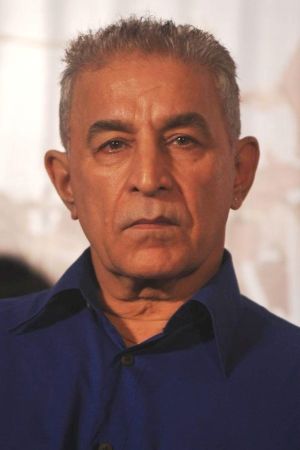
Dalip Tahil & Tej Sapru Movies Together List — 2 Films
Complete Movies List & Collaboration History
Last updated: 2026-07-13 · Data sources: Wikipedia, TMDB
Dalip Tahil and Tej Sapru appeared together in 2 Hindi films between 1993 and 1995. Their highest-rated collaboration was Aadmi Khilona Hai (1993 — 4.5/10). Films span Aadmi Khilona Hai (1993) through Anokha Andaaz (1995).
The Dalip Tahil & Tej Sapru partnership
From Aadmi Khilona Hai (1993) to Anokha Andaaz (1995). The ran closed with Anokha Andaaz in 1995. It started with Aadmi Khilona Hai (1993).
The shape of the work
Dalip Tahil acted in every film; Tej Sapru acted in all of them.
2 films across 1 decade
- Aadmi Khilona Hai
- Anokha Andaaz
The partnership in numbers
Partnership Pattern
2 films across 2 years represents consistent collaboration.
Language Distribution
Linguistic diversity: 1 language, with Hindi being their primary medium.
Where each was in their career
After Anokha Andaaz, Dalip Tahil kept going for 63 more films; Tej Sapru stepped back. By the time of Aadmi Khilona Hai, both already had careers — Dalip Tahil with 25 films, Tej Sapru with 13.
Before Aadmi Khilona Hai, Dalip Tahil had starred in 25 films, including Inspector Dhanush (1991) and Aaj Ki Awaz (1984).
After Anokha Andaaz, Dalip Tahil went on to appear in 63 more films, including Project Marathwada (2016) and Toolsidas Junior (2022).
Before Aadmi Khilona Hai, Tej Sapru had starred in 13 films, including Raat (1992) and Thanedaar (1990).
After Anokha Andaaz, Tej Sapru went on to appear in 13 more films, including Razakar: The Silent Genocide of Hyderabad (2024) and Sirf Tum (1999).
Collaboration Journey
A chronological view of Dalip Tahil & Tej Sapru's professional partnership
Actors and musicians who worked on most of their films
Aanjjan Srivastav is the through-line — cast on 1 of their 2 films.





Other iconic Hindi director-actor duos
Discover other partnerships with comparable filmographies and ratings
 Jackie Shroff
 Manisha Koirala
 Avtar Gill
 Rajinikanth
 Reena RoyManisha Koirala
 Shweta Menon