
Bindu
Bindu is an Indian actor, best known for Tamil cinema. Bindu began their career in 1979 and has been a prominent figure in the industry for over 47 years. With 30 credits to their name, Bindu remains one of the most prolific and celebrated talents in the industry. Spanning 40+ years, Bindu's career remains one of the longest and most celebrated in Tamil cinema.
- Born
- Age
- 85
Biography
Bindu (born Bindu Nanubhai Desai on 17 April 1941) is a veteran Hindi cinema actress and dancer known primarily as one of Bollywood's most iconic cabaret performers of the 1970s. She gained wide recognition for her dance number 'Mera Naam Shabnam' in Kati Patang (1970), and earned seven Filmfare Award nominations including two for Best Supporting Actress over her four-decade career spanning more than 160 films. Alongside Helen and Aruna Irani, she is considered part of the 'holy trinity' of item number queens in classic Hindi cinema, known for her distinctive screen presence in villain and vamp roles. She continued working into the 2000s with appearances in mainstream productions like Main Hoon Na (2004) and Om Shanti Om (2007), cementing her legacy across multiple generations of Hindi filmmaking.
Career Milestones
Film debut
Filmfare Award nomination for Best Supporting Actress
Filmfare Award nomination for Best Supporting Actress
Iconic vamp/cabaret dancer role establishing her as one of Bollywood's defining vamps alongside Helen and Aruna Irani
Comeback in mainstream blockbuster as Bhagwanti Mami
View film →Iconic Roles
Kati Patang
Her most iconic role featuring a memorable cabaret dance number; the character type-cast her as Bollywood's quintessential vamp and remains one of her most celebrated performances.
Zanjeer
A seductive villain's moll role that cemented her status as Hindi cinema's definitive vamp, appearing opposite Amitabh Bachchan in his breakthrough film.
Ittefaq
An early career-defining role that earned her a Filmfare Award nomination for Best Supporting Actress and established her screen presence.
Main Hoon Na
A comedic later-career role as a quirky, lovesick teacher, showcasing her range beyond the vamp archetype to a new generation of audiences.
Hum Aapke Hain Koun..!
A warm supporting family role in one of Bollywood's highest-grossing films, marking her successful transition from villainess to sympathetic characters.
Defining Moments
Cabaret dance 'Mera Naam Shabnam' as the seductive vamp Shabnam
One of Bollywood's most celebrated cabaret numbers; established Bindu as a defining vamp-dancer alongside Helen and Aruna Irani. Still referenced as a landmark of the genre.
Role as 'Mona Darling' — the villain's seductive moll who becomes a cultural catchphrase
The phrase 'Mona Darling' became synonymous with Bindu's persona and entered popular culture as shorthand for bold, unapologetic femininity in antagonistic roles. Her most enduring legacy.
Performance as a seductress earning a Filmfare Award nomination for Best Supporting Actress
One of two simultaneous Filmfare nominations in 1974, cementing her status as the premier vamp of Hindi cinema at her peak.
Reinvention as the cruel mother-in-law / cynical aunt Kamla K. Bhandari
Marked a successful career pivot from vamp to comic character roles, proving her versatility and enabling her continued relevance through the late 1980s and 1990s.
View film →Comic cameo appearance in the nostalgic Bollywood tribute film
Her inclusion in Farah Khan's star-studded homage to golden-era Bollywood confirmed her iconic status and introduced her legacy to a new generation of audiences.
View film →Bindu by the Numbers
If you watched every Bindu film back-to-back, you'd be at it for roughly 2 days and 8h. Most-paired with Asrani — 4 films together.
Filmography
See all 30 credits →Collaboration Network
The Constellation
Top 10 most-paired collaborators. Bubble size and line thickness reflect how many films they share with Bindu.
Career Analytics
Language Distribution
Films by Decade
Top Co-Actors
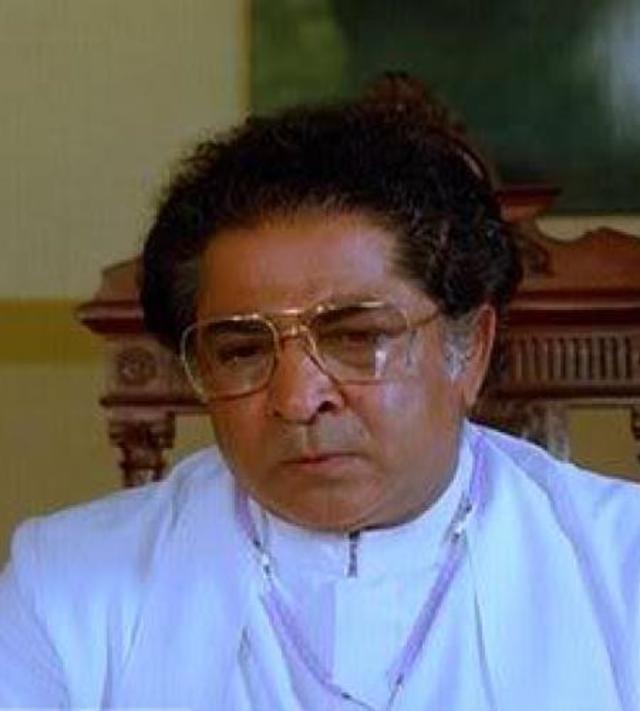
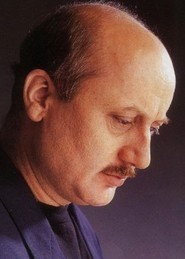
See all →Bindu has worked most frequently with Farah Khan (2 films), Asrani (4 films), Prem Chopra (3 films), Satish Shah (3 films), and Kader Khan (3 films).
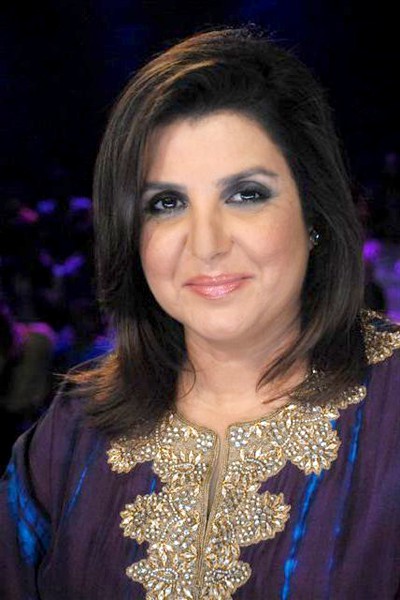
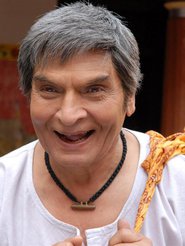
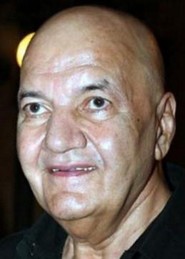
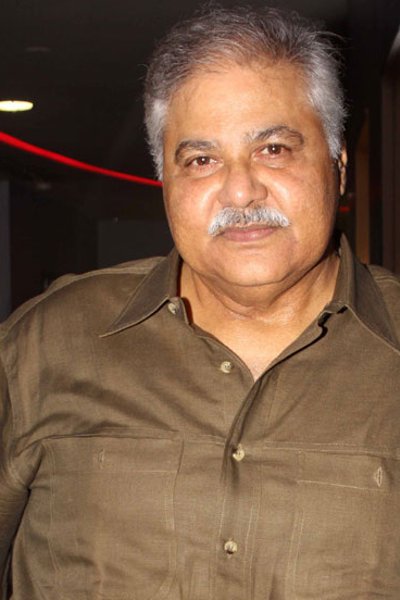




Did You Know?
Bindu is a veteran Indian actress known for her work in Hindi cinema, particularly in the 1970s and 1980s.
She is often recognized for playing vamp or supporting roles in numerous Bollywood films.
Bindu received a Filmfare Best Supporting Actress Award for her role in the film 'Khilona' (1970).
She has acted in over 160 films throughout her career.
Bindu was known for her dancing skills and performed in many popular item numbers.
Legacy & Influence
Bindu is a celebrated and enduring character actress in Indian cinema, renowned for her versatility and powerful screen presence across a career spanning over five decades. Primarily active in Hindi cinema from the late 1960s through the 2000s, she carved a unique niche, often portraying the quintessential 'vamp' or glamorous antagonist with a distinctive blend of sensuality, wit, and menace. Her performances in this archetype during the 1970s, particularly in films like "Mera Gaon Mera Desh" (1971) and "Inkaar" (1977), were groundbreaking, offering a counterpoint to the traditional heroine and adding layers of complexity to her characters. Beyond the vamp persona, Bindu demonstrated remarkable range in supporting and character roles, excelling in both dramatic and comedic parts. Her ability to hold her own against leading stars and deliver memorable dialogues made her a director's asset. She successfully transitioned across changing cinematic eras, appearing in notable films like "Main Hoon Na" (2004) and "Om Shanti Om" (2007), proving her adaptability and lasting relevance. Bindu's contribution lies in her mastery of a specific, culturally significant character type that defined an era of Bollywood, while also showcasing the depth and professionalism of a character artist. She paved the way for more nuanced and prominent roles for supporting actresses, demonstrating that character roles could be as iconic and impactful as lead performances. Her filmography remains a testament to her skill in elevating narratives and leaving an indelible mark on the fabric of popular Hindi cinema.