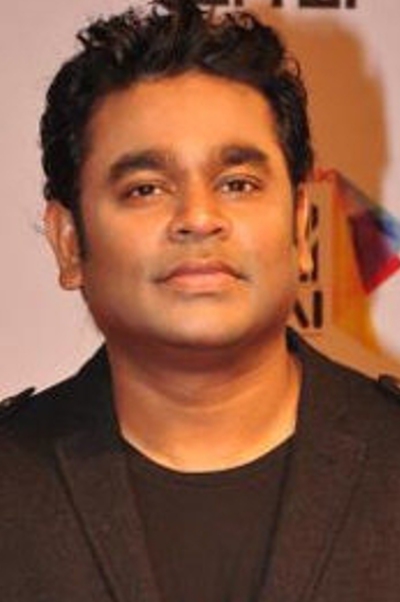

A. R. Rahman & Urmila Matondkar Movies Together List — 3 Films
Complete Movies List & Collaboration History
Last updated: 2026-07-12 · Data sources: Wikipedia, TMDB
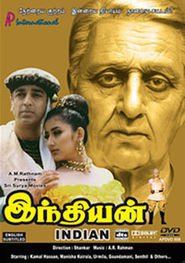
A. R. Rahman and Urmila Matondkar appeared together in 3 Hindi films between 1995 and 1997. Their highest-rated collaboration was Indian (1996 — 8.2/10). Films span Rangeela (1995) through Daud (1997).
The A. R. Rahman & Urmila Matondkar partnership
One film towers over the rest: Indian at 8.2/10. From Rangeela (1995) to Daud (1997). It started with Rangeela (1995).
Indian is the one most viewers reach for. The played out closed with Daud in 1997.
The shape of the work
A. R. Rahman scored every film; Urmila Matondkar acted in all of them.
3 films across 1 decade
- Indian
- Daud
The partnership in numbers
Partnership Pattern
3 films across 2 years represents consistent collaboration.
Language Distribution
Linguistic diversity: 2 languages, with Hindi being their primary medium.
Where each was in their career
After Daud, A. R. Rahman kept going for 167 more films; Urmila Matondkar stepped back. By the time of Rangeela, both already had careers — A. R. Rahman with 28 films, Urmila Matondkar with 11.
Before Rangeela, A. R. Rahman had starred in 28 films, including Kizhakku Cheemayile (1993) and Kizhakku Cheemayile (1993).
After Daud, A. R. Rahman went on to appear in 167 more films, including Peddi (2026) and Maidaan (2024).
Before Rangeela, Urmila Matondkar had starred in 11 films, including Masoom (1983) and Chamatkar (1992).
After Daud, Urmila Matondkar went on to appear in 29 more films, including Pinjar (2003) and Bas Ek Pal (2006).
Collaboration Journey
A chronological view of A. R. Rahman & Urmila Matondkar's professional partnership
Actors and musicians who worked on most of their films
Neeraj Vora is the through-line — cast on 2 of their 3 films.
 2
2


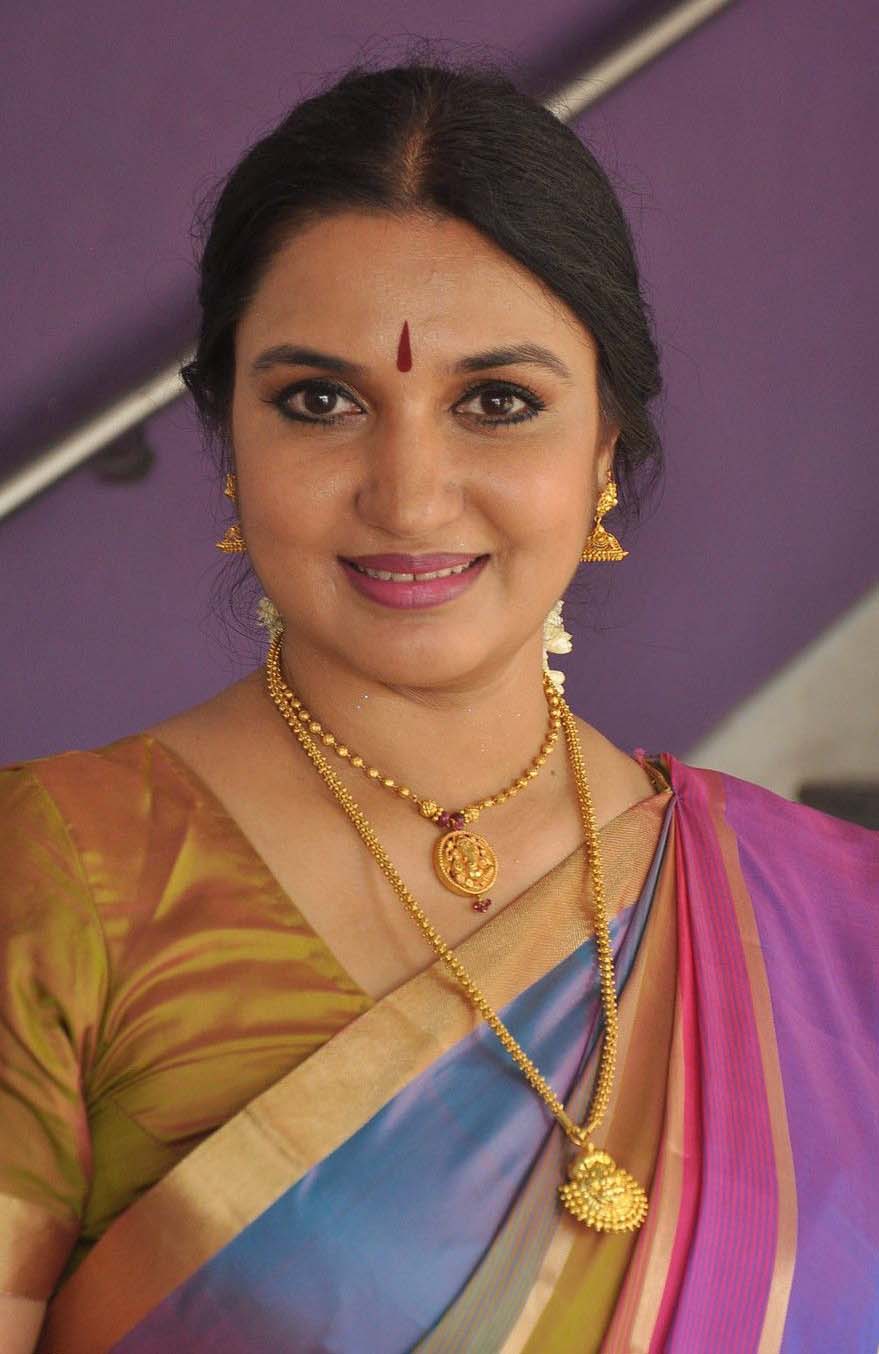
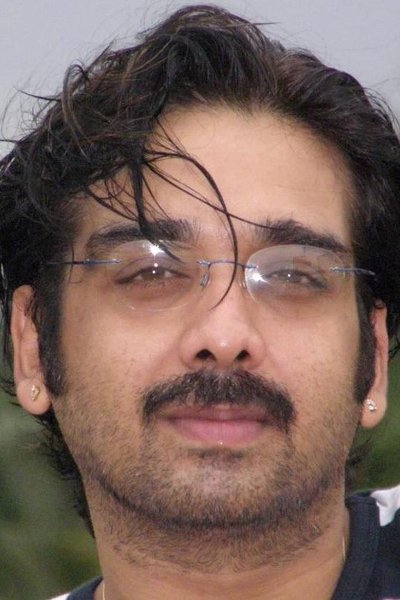
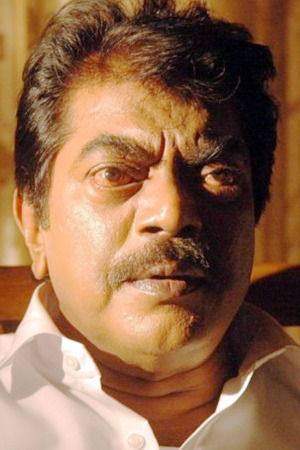
Other iconic Hindi director-actor duos
Discover other partnerships with comparable filmographies and ratings
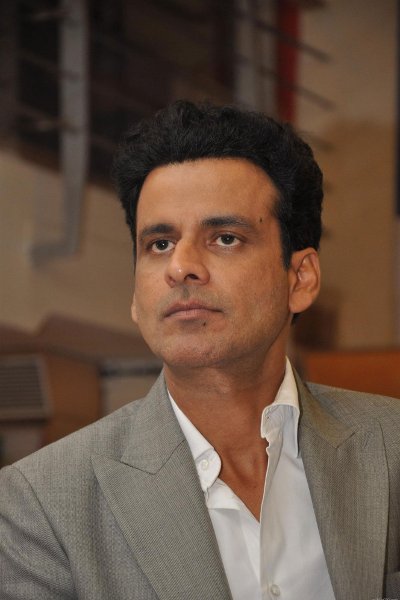 Manoj Bajpai
 Jimmy Shergill
 Kirron Kher
 Divya Dutta
 Tabu
Tabu Gajraj Rao
 S. A. Chandrasekhar
 Jeetendra
 Abhishek Bachchan