
Charlie & Priya Raman Movies Together List — 3 Films
Complete Movies List & Collaboration History
Last updated: 2026-07-13 · Data sources: Wikipedia, TMDB
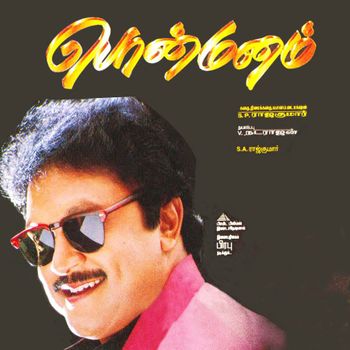
Charlie and Priya Raman appeared together in 3 Tamil films between 1994 and 1998. Their highest-rated collaboration was Ponmanam (1998 — 4.4/10). Films span Subramaniya Swamy (1994) through Pudhumai Pithan (1998).
The Charlie & Priya Raman partnership
From Subramaniya Swamy (1994) to Pudhumai Pithan (1998). The played out closed with Pudhumai Pithan in 1998. It started with Subramaniya Swamy (1994).
The shape of the work
Strictly Tamil cinema — they never crossed industries together.
3 films across 1 decade
- Ponmanam
- Pudhumai Pithan
The partnership in numbers
Partnership Pattern
3 films across 4 years represents consistent collaboration.
Language Distribution
Linguistic diversity: 1 language, with Tamil being their primary medium.
Where each was in their career
43% of Priya Raman's screen credits are with Charlie. When they first worked together, Charlie had 106 films behind them; Priya Raman had 1. After Pudhumai Pithan, Charlie kept going for 88 more films; Priya Raman stepped back.
Before Subramaniya Swamy, Charlie had starred in 106 films, including Enakkul Oruvan (1984) and Oor Panchayathu (1992).
After Pudhumai Pithan, Charlie went on to appear in 88 more films, including Papanasam (2015) and Maanagaram (2017).
Before Subramaniya Swamy, Priya Raman had starred in 1 film, including Valli (1993).
After Pudhumai Pithan, Priya Raman went on to appear in 3 more films, including Padi Padi Leche Manasu (2018) and Chinna Raja (1999).
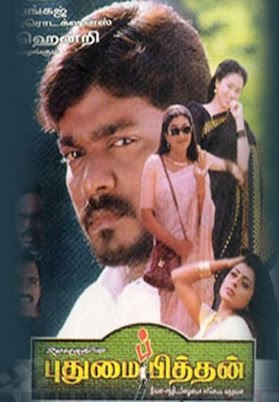
Collaboration Journey
A chronological view of Charlie & Priya Raman's professional partnership













Other iconic Tamil director-actor duos
Discover other partnerships with comparable filmographies and ratings