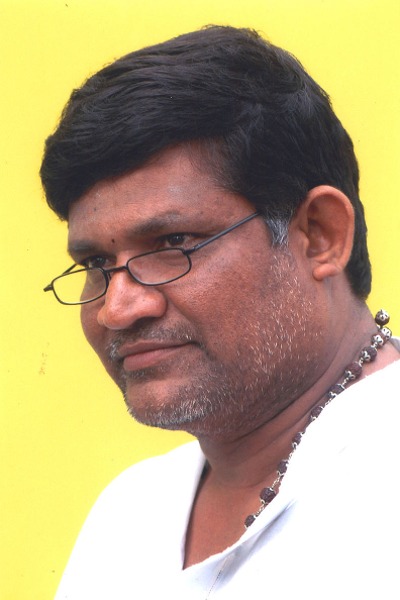
Tanikella Bharani & A. Kodandarami Reddy Movies Together List — 2 Films
Complete Movies List & Collaboration History
Last updated: 2026-07-18 · Data sources: Wikipedia, TMDB
Tanikella Bharani and A. Kodandarami Reddy appeared together in 2 Telugu films between 1994 and 1995. Their highest-rated collaboration was Bobbili Simham (1994 — 5.6/10). Films span Bobbili Simham (1994) through Pokiri Raja (1995).
The Tanikella Bharani & A. Kodandarami Reddy partnership
From Bobbili Simham (1994) to Pokiri Raja (1995). The ran closed with Pokiri Raja in 1995. It started with Bobbili Simham (1994).
The shape of the work
Tanikella Bharani acted in every film; A. Kodandarami Reddy directed all of them.
2 films across 1 decade
- Bobbili Simham
- Pokiri Raja
The partnership in numbers
Partnership Pattern
2 films across 1 years represents consistent collaboration.
Language Distribution
Linguistic diversity: 1 language, with Telugu being their primary medium.
Where each was in their career
After Pokiri Raja, Tanikella Bharani kept going for 233 more films; A. Kodandarami Reddy stepped back.
Before Bobbili Simham, Tanikella Bharani had starred in 9 films, including Varasudu (1993) and Jagadeka Veerudu Athiloka Sundari (1990).
After Pokiri Raja, Tanikella Bharani went on to appear in 233 more films, including Baahubali (2015) and Drushyam 2 (2021).
Before Bobbili Simham, A. Kodandarami Reddy had directed 9 films, including Nippu Ravva (1993) and Muta Mesthri (1993).
After Pokiri Raja, A. Kodandarami Reddy went on to direct 3 more films, including Muddula Mogudu (1997) and Ramudochhadu (1996).
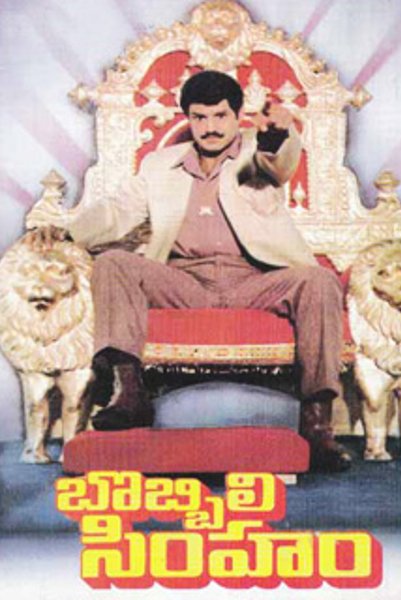
Collaboration Journey
A chronological view of Tanikella Bharani & A. Kodandarami Reddy's professional partnership
Actors and musicians who worked on most of their films
Brahmanandam is the through-line — cast on 2 of their 2 films.
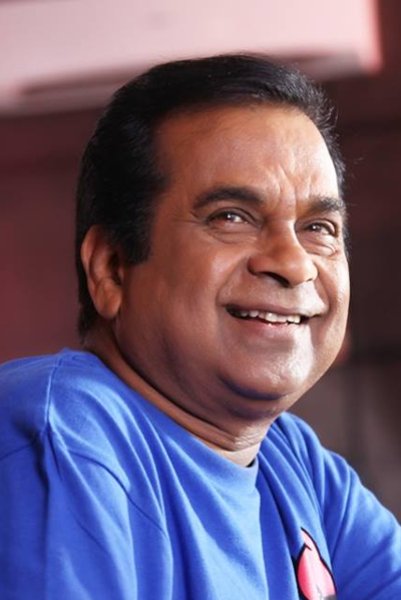 2
2 2
2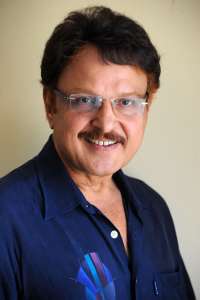 2
2



Other iconic Telugu director-actor duos
Discover other partnerships with comparable filmographies and ratings
 Nithya Menen
 Anushka Shetty
 Tanikella Bharani
 Tamannaah BhatiaKota Srinivasa Rao
 Aishwarya Rajesh
 Srikanth Iyengar