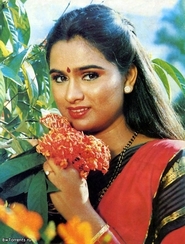
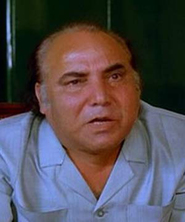
Padmini Kolhapure & Om Shivpuri Movies Together List — 3 Films
Complete Movies List & Collaboration History
Last updated: 2026-07-14 · Data sources: Wikipedia, TMDB
Padmini Kolhapure and Om Shivpuri appeared together in 3 Hindi films between 1981 and 1985. Their highest-rated collaboration was Zamaane Ko Dikhana Hai (1981 — 6.5/10). Films span Zamaane Ko Dikhana Hai (1981) through Insaaf Main Karoonga (1985).
The Padmini Kolhapure & Om Shivpuri partnership
From Zamaane Ko Dikhana Hai (1981) to Insaaf Main Karoonga (1985). The played out closed with Insaaf Main Karoonga in 1985. It started with Zamaane Ko Dikhana Hai (1981).
The shape of the work
Padmini Kolhapure acted in every film; Om Shivpuri acted in all of them. Strictly Hindi cinema — they never crossed industries together.
3 films across 1 decade
- Zamaane Ko Dikhana Hai
- Naya Kadam
The partnership in numbers
Partnership Pattern
3 films across 4 years represents consistent collaboration.
Language Distribution
Linguistic diversity: 1 language, with Hindi being their primary medium.
Where each was in their career
Before Zamaane Ko Dikhana Hai, Padmini Kolhapure had starred in 3 films, including Gehrayee (1980) and Insaf Ka Tarazu (1980).
After Insaaf Main Karoonga, Padmini Kolhapure went on to appear in 21 more films, including Panipat (2019) and Anubhav (1986).
Before Zamaane Ko Dikhana Hai, Om Shivpuri had starred in 14 films, including Meera (1979) and Saanch Ko Aanch Nahin (1979).
After Insaaf Main Karoonga, Om Shivpuri went on to appear in 24 more films, including Biwi Ho To Aisi (1988) and Aag Hi Aag (1987).
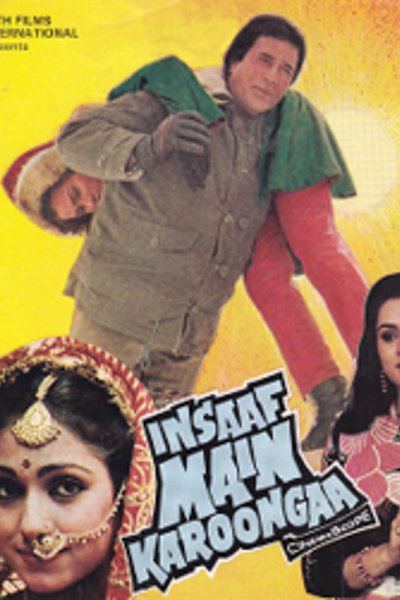
Collaboration Journey
A chronological view of Padmini Kolhapure & Om Shivpuri's professional partnership
Actors and musicians who worked on most of their films
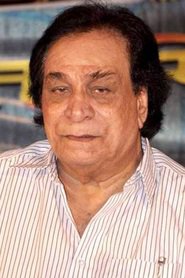
Kader Khan is the through-line — cast on 2 of their 3 films.



Other iconic Hindi director-actor duos
Discover other partnerships with comparable filmographies and ratings
 Rajkumar Santoshi
 Raj Babbar
 Tabu
Tabu Amitabh Bachchan
 A. R. RahmanRajkumar Santoshi
 Paresh Rawal
 Aamir Khan
 Atul Kulkarni
 Jeeva
Jeeva Sunil Shetty