Phir Teri Kahani Yaad Aayee(1993)
'Phir Teri Kahani Yaad Aayee' is a 1993 Indian Hindi-language romantic drama film directed by Mahesh Bhatt. The film stars Pooja Bhatt and Rahul Roy in lead roles, with supporting performances by Pooja Bedi, Avtar Gill, and Neena Gupta. The story follows an alcoholic movie director who falls in love with a schizophrenic woman while both are patients at a rehabilitation centre. Their relationship is tested by her mental instability and societal pressures. The film is noted for its melodious soundtrack composed by Anu Malik, which became one of the best-selling albums of 1993 in India. The film premiered on Zee TV on 30 July 1993.
Phir Teri Kahani Yaad Aayee is streaming on VI Movies and TV and ZEE5.
Where to watch:Quick Facts
- Streaming on
- VI Movies and TV, ZEE5, YouTube, Airtel Xstream Play
- Theatrical Release
- 1 January 1993
- Director
- Mahesh Bhatt
- Language
- Hindi
- Runtime
- 1h 45m
- Rating
- 5.7/10
Storyline
An alcoholic film director named Rahul enters a rehabilitation centre to recover. There, he meets Pooja, a young woman with schizophrenia. Despite their initial clashes, they fall deeply in love. But Pooja's unstable mind and the world around them threaten to tear them apart forever.
“Love that burns brighter than the fire”
Film Details
Parental Guide
Where to Watch
Vibe & Tags
Cast & Crew



Reunion Meter
Frequent partnerships reunited for Phir Teri Kahani Yaad Aayee
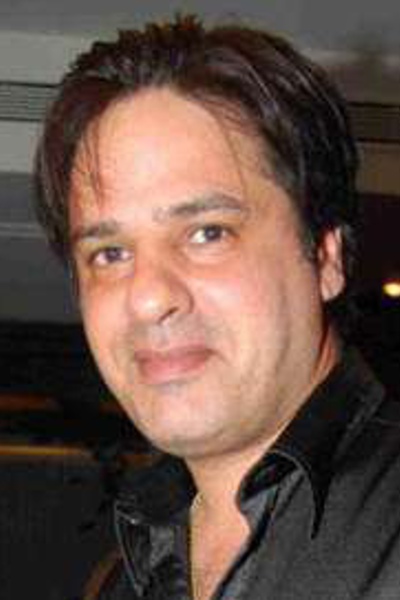
Cast reunions in this film: Pooja Bhatt & Mahesh Bhatt (12 films together), Mahesh Bhatt & Rahul Roy (3 films together), and Pooja Bhatt & Rahul Roy (2 films together).
Trivia
- The film's title translates to 'Your Story Came to Mind Again' and is a sequel to Mahesh Bhatt's 1990 film 'Aashiqui'.
- It was one of the earliest Hindi films to prominently feature a storyline about mental health and rehabilitation centers.
- The movie's soundtrack, composed by Nadeem-Shravan, was a commercial hit, especially the song 'Phir Teri Kahani Yaad Aayee'.
- Actress Pooja Bhatt, the director's daughter, was considered for the lead role but was not cast.
- The film performed poorly at the box office, unlike its very successful predecessor 'Aashiqui'.
- Some scenes were shot at real locations to add authenticity to the institutional settings.
- The plot element of mysterious phone calls after a death was unusual for a mainstream romance drama at the time.