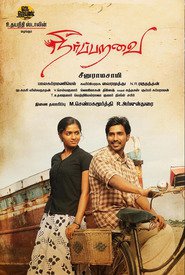
Neerparavai Full Story Explained (2012)
Imagine waiting for your husband for 25 years, even after knowing he is dead. That is the heart of Neerparavai, a 2012 Tamil drama that will break your heart. Directed by Seenu Ramasamy, the film stars Vishnu Vishal as Arulappasamy and Sunaina as his wife Esther, with Nandita Das playing the older Esther. Set in a coastal fishing village, this is not just a love story. It is about the harsh life of fishermen, the pain of loss, and a woman's endless hope. The film released on 30 November 2012 and won awards for its honest storytelling and powerful performances. Saranya Ponvannan won the Filmfare Award for Best Supporting Actress for her role. If you want a movie that stays with you long after the credits roll, this is it.
A skeleton in the garden
An old woman lives alone in a coastal village. Her son and daughter-in-law come to stay with her. They want her to sell the house and move to the city. But she refuses. Every night, she goes to the beach and prays in her garden. The son gets angry. He digs up the spot where she prays. He finds a human skeleton.
Full Plot
Neerparavai opens in a quiet coastal village. An old woman named Esther lives alone in her house. Her son and daughter-in-law visit her. They want her to sell the house and move to the city. The son needs money to build a new house with help from his father-in-law. But Esther refuses. Every night, she goes to the beach and prays in her garden. The son gets angry. He reminds her that she has been waiting for her husband for 25 years. He says her husband is never coming back. One night, the son and his wife dig up the spot where Esther prays. They find a human skeleton. They call the police. Inspector Agnes arrives and arrests Esther. She begins interrogating the old woman. Esther tells her story.
The story goes back 25 years. Arulappasamy is a young man in the same village. He is an alcoholic and a wastrel. His adopted parents are hardworking people. They are embarrassed by his behavior. Then Arulappasamy meets Esther. Esther is an orphan girl adopted by a nun named Sister Benita. She lives in the church. Arulappasamy falls in love with her. His love changes him. He gives up drinking. He wants to work and marry Esther. But the local fishermen do not allow him to go into the sea. They have strict rules. Arulappasamy is determined. He buys a boat with his own money. He marries Esther. Life is beautiful. They have a son. Arulappasamy works hard every day.
One day, Arulappasamy goes fishing. Days pass. He does not return. Esther is terrified. She waits at the shore. The village searches for him. Finally, they find his body in a boat. He has been shot. Esther is shattered. She blames herself. She keeps his body in the house. She says it is her fault for sending him to work. The village is shocked. But Esther does not care. She buries him in the garden. She keeps the skeleton there for 25 years. She prays every night. She waits for his soul to return.
Back in the present, the court hears Esther's case. The judge asks her why she accepted blame for her husband's death. Esther says she urged him to go fishing that day. She feels responsible. Her son is angry. He tells her to sell the house. But Esther refuses. She says she does not want the house anymore. Her husband is not there. She has nothing left. The police release her. Inspector Agnes asks her one final question. Why does she wait for her husband if she knows he is dead? Esther explains. Only his body returned to shore. His soul is still in the sea. She believes his soul will come to see her one day. She runs to the beach. She waits. The film ends with Esther waiting at the beach day and night. She never gives up hope.
Characters
Arulappasamy
Played by Vishnu Vishal
Arulappasamy is a young fisherman in a coastal village. He starts as an alcoholic and a wastrel, but his love for Esther changes him completely. He gives up drinking, buys a boat, and marries her. He works hard to provide for his family. He dies at sea after being shot. His death leaves Esther waiting for him for 25 years.
Esther
Played by Sunaina / Nandita Das
Esther is an orphan girl adopted by a nun. She falls in love with Arulappasamy and marries him. She is a devoted wife and mother. After Arulappasamy dies, she keeps his skeleton in her garden and waits for his soul to return. She refuses to sell her house. She spends 25 years waiting at the beach. She is the emotional heart of the film.
Inspector Agnes
Played by Varsha Ashwathi
Inspector Agnes is the police officer who investigates the skeleton found in Esther's garden. She interrogates Esther and listens to her story. She is curious and compassionate. At the end, she asks Esther why she still waits for her husband. She represents the audience's questions and empathy.
Sister Benita
Played by Anupama Kumar
Sister Benita is a nun who adopts Esther as a child. She raises Esther in the church and protects her. She is a kind and caring figure. She supports Esther's marriage to Arulappasamy. She represents the church and the community's moral guidance.
Mary
Played by Saranya Ponvannan
Mary is a supporting character in the village. She is a friend or relative of the family. She is present during the events of the story. She represents the village women who understand the pain of losing a fisherman. Saranya Ponvannan won the Filmfare Award for Best Supporting Actress for this role.
Themes
Love beyond death
The central theme of Neerparavai is love that does not end with death. Esther waits for her husband's soul for 25 years. She knows he is dead, but she believes his soul will return to her. This shows that true love is eternal. It is not bound by time or the physical world.
The harsh life of fishermen
The film shows the dangerous and difficult life of fishing communities. Fishermen risk their lives every day at sea. Many die from accidents or violence. The film highlights the issue of fishermen killings in the Palk Strait. It shows the pain of families who lose their loved ones to the sea.
Guilt and blame
Esther blames herself for her husband's death. She says it is her fault for urging him to go fishing. This guilt stays with her for 25 years. She accepts blame in court. The film explores how people carry guilt and how it shapes their lives. It shows that sometimes the blame we carry is heavier than the loss itself.
Community and tradition
The film is set in a Catholic fishing community with strong traditions. The local fishermen have rules about who can go to sea. The church plays a big role in Esther's life. The community supports and judges each other. The film shows how tradition can both help and hurt people.
Hope and waiting
Esther's entire life becomes a act of waiting. She waits at the beach every day. She waits for her husband's soul. This waiting is not passive. It is an active expression of hope. The film suggests that hope can keep a person alive even when everything is lost. It is a powerful and painful theme.
Ending Explained
The ending of Neerparavai is both heartbreaking and beautiful. After the court releases Esther, Inspector Agnes asks her one final question. Why does she wait for her husband if she knows he is dead? Esther explains that only her husband's body returned to shore. His soul is still in the sea. She believes his soul will come to see her one day. She runs to the beach. The camera follows her. She stands at the shore, looking at the horizon. She talks to the wind. She waits. The film ends with her waiting day and night. She never gives up hope. The director leaves the audience with a powerful message. Love does not end with death. It transforms into something eternal. Esther's waiting is not madness. It is the purest form of love. The final image of her small figure against the vast sea is unforgettable. It shows that hope can survive even when everything else is gone. The film does not give a happy ending. It gives a truthful one. Love is patient. Love is eternal. And sometimes, love is waiting forever.
Frequently Asked Questions
Neerparavai is not based on a specific true story. But it is inspired by the real-life struggles of fishing communities in Tamil Nadu. The film highlights the issue of fishermen killings in the Palk Strait. Many families in coastal villages have lost loved ones to the sea. The story feels real because it reflects their pain.
Esther kept her husband's skeleton because she could not let him go. She loved him deeply. She believed that as long as his body was with her, his soul would return. She buried him in her garden and prayed every night. She waited for his soul to come back to her. It was her way of holding onto hope.
Neerparavai translates to 'Seabird' in English. The title is symbolic. Seabirds are always connected to the sea. They fly over the water but always return to the shore. Esther is like a seabird. She is tied to the sea because her husband died there. She waits at the shore, just like a seabird waiting for its mate.
The older version of Esther is played by Nandita Das. She is a well-known actress who has appeared in acclaimed Tamil films like Azhagi and Kannathil Muthamittal. Sunaina plays the younger Esther. Nandita Das brings a quiet strength and deep sadness to the role. Her performance is one of the highlights of the film.
Neerparavai won several awards. Saranya Ponvannan won the Filmfare Award for Best Supporting Actress – Tamil for her role as Mary. The film was also nominated for Best Film – Tamil at the Filmfare Awards. Poo Ramu won the Ananda Vikatan Cinema Award for Best Male Character Artist. The film was praised for its honest storytelling and strong performances.