Azhagiya Kanne(1982)
Azhagiya Kanne is a 1982 Indian Tamil-language supernatural drama film written and directed by Mahendran. The cast includes Sarath Babu, Sumalatha, Baby Anju, Suhasini, and Charuhasan. The story follows Bhama, a dancer from a devadasi family, who is murdered by a corrupt holy man. Years later, a child named Kasthoori, who carries Bhama's spirit, seeks revenge. The film is noted for its emotional depth, haunting atmosphere, and Ilaiyaraaja's music. Critics praised Mahendran's restrained direction and the performances. The film was released on 17 December 1982.
Azhagiya Kanne (1982) OTT release date is not officially announced yet — GudVibe tracks its streaming availability daily.
Where to watch:Quick Facts
- Theatrical Release
- 31 December 1982
- Director
- J. Mahendran
- Language
- Tamil
- Runtime
- 2h 7m
- Rating
- 6.8/10
Storyline
A dancer named Bhama is killed by a fake holy man when she refuses to become a sex worker. Years later, a strange little girl named Kasthoori appears. She has Bhama's memories and a burning need for revenge. She seeks out the broken sculptor Prasanna and begins to rebuild his life while plotting her final act of justice.
“A ghost returns for justice.”
Film Details
Parental Guide
Vibe & Tags
Cast & Crew






Reunion Meter
Frequent partnerships reunited for Azhagiya Kanne
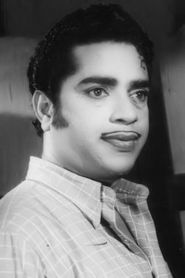
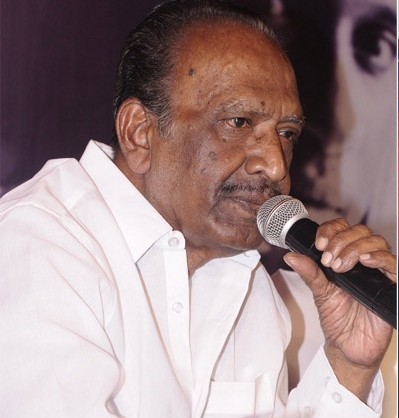
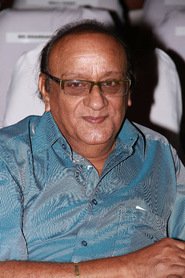
Cast reunions in this film: Ilayaraja & Thengai Srinivasan (50 films together), Venniradai Moorthy & Ilayaraja (42 films together), Ilayaraja & Senthamarai (23 films together), Ilayaraja & Ganthimathi (17 films together), Ilayaraja & Sarath Babu (16 films together), and Suhasini Maniratnam & Ilayaraja (14 films together).

Trivia
- The film's title is a reference to a famous Tamil poem by Subramania Bharati.
- It was one of the few films where director J. Mahendran also served as the sole writer.
- The movie was shot extensively in and around the temple town of Madurai.
- Actress Suhasini made her Tamil film debut with a supporting role in this movie.
- Despite its critical acclaim, the film did not perform well commercially at the box office.
- The soundtrack by Ilaiyaraaja is noted for its use of classical Carnatic music influences.
- The film's narrative explores themes of tradition and modernity, a common focus in Mahendran's work.