Anubhavi Raja Anubhavi(1967)
Anubhavi Raja Anubhavi is a 1967 Indian Tamil-language comedy film directed by K. Balachander. The cast includes Nagesh in a dual role, R. Muthuraman, Rajasree, and Jayabharathi. The story follows two lazy brothers who are disowned by their wealthy father and hatch a fake murder plot that goes wrong. A lookalike port worker named Manickam gets caught in the chaos. The film was a box office hit and was remade in Hindi, Malayalam, and Kannada. It was released in July 1967.
Quick Facts
- Streaming on
- YouTube
- Theatrical Release
- 31 December 1967
- Director
- K. Balachander
- Language
- Tamil
- Runtime
- 2h 30m 0
Storyline
Two rich brothers get kicked out of their house by their angry father. They fake a murder to win back his love, but the plan backfires. One brother ends up in jail, and the other goes missing. A poor lookalike gets dragged into the mess. Can the brothers fix everything before it is too late?
“Experience life, learn from mistakes”
Film Details
Parental Guide
Where to Watch
Vibe & Tags
Cast & Crew

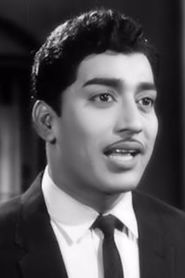

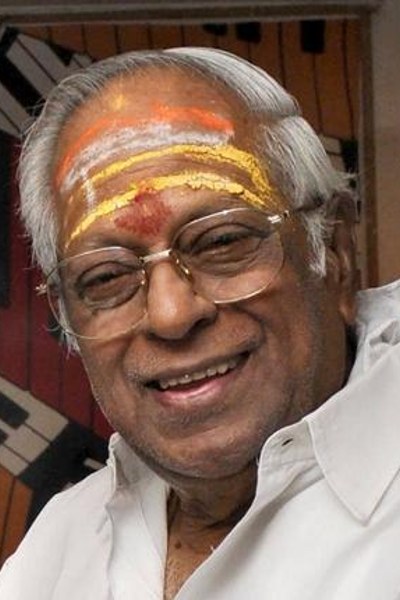
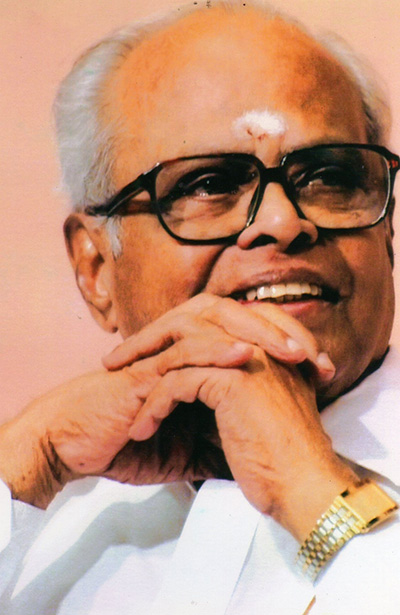
Reunion Meter
Frequent partnerships reunited for Anubhavi Raja Anubhavi
Cast reunions in this film: Nagesh & M. S. Viswanathan (108 films together), M. S. Viswanathan & R. Muthuraman (65 films together), Nagesh & R. Muthuraman (43 films together), K. Balachander & M. S. Viswanathan (27 films together), K. Balachander & Nagesh (19 films together), and Nagesh & Rajasree (10 films together).
Trivia
- This was the first Tamil film directed by K. Balachander, who later became a legendary filmmaker.
- The movie's title is a palindrome, reading the same forwards and backwards in Tamil.
- It was one of the earliest Tamil films to depict the culture shock of village life versus city life in Madras.
- The film featured actor Nagesh in a notable supporting role, early in his comedy career.
- Music director V. Kumar composed the songs, which included folk-inspired tunes contrasting with city themes.
- The story is based on a play, reflecting Balachander's strong background in theater.
- It helped establish the 'city vs. village' theme that became common in later Tamil cinema.