Main Zinda Hoon(1988)
Main Zinda Hoon is a 1988 Indian Hindi-language drama film directed by Sudhir Mishra. The lead cast includes Deepti Naval, Alok Nath, Pankaj Kapur, Rajendra Gupta, and Kulbhushan Kharbanda. The story follows Beena, a middle-class housewife whose husband abandons her, forcing her to become the family's sole provider. She later finds love with a kind man named Alok, but her husband's return creates a moral crisis. The film won the National Film Award for Best Film on Social Issues for its realistic portrayal of women's struggles. It was produced by Doordarshan and released in India on June 5, 1988.
Main Zinda Hoon (1988) OTT release date is not officially announced yet — GudVibe tracks its streaming availability daily.
Where to watch:Quick Facts
- Theatrical Release
- 31 December 1988
- Director
- Sudhir Mishra
- Language
- Hindi
- Runtime
- 2h
- Rating
- 4.1/10
Storyline
When her husband deserts the family, Beena must work to support her in-laws. She falls in love with Alok, but her husband returns and demands she forget him. Beena must choose between duty and her own happiness.
“She was dead inside. Then she chose to live.”
Film Details
Parental Guide
Vibe & Tags
Cast & Crew
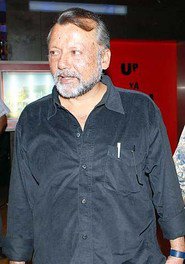
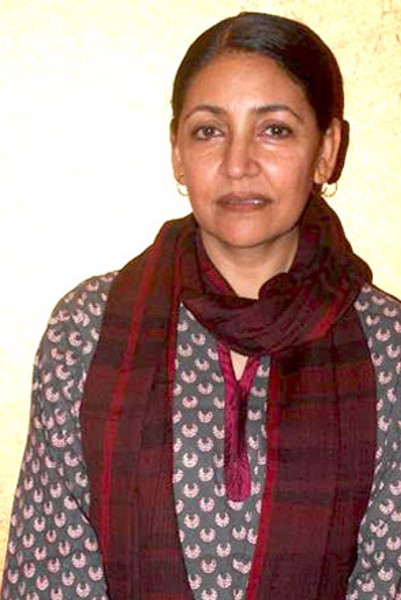
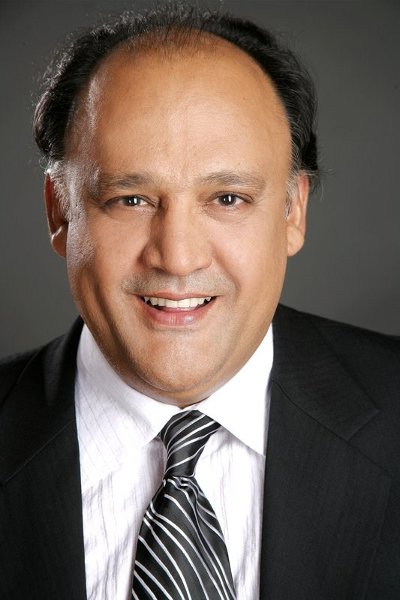
Reunion Meter
Frequent partnerships reunited for Main Zinda Hoon
Cast reunions in this film: Alok Nath & Kulbhushan Kharbanda (4 films together), and Sudhir Mishra & Pankaj Kapur (2 films together).
Trivia
- The film was produced by the National Film Development Corporation of India, a government body that often backed socially relevant cinema.
- Sudhir Mishra co-wrote the script with renowned screenwriter Renu Saluja, who was also the film's editor.
- It is considered part of the Indian parallel cinema movement, focusing on realistic urban struggles rather than mainstream Bollywood style.
- The film's title, meaning 'I am alive,' reflects the protagonist's journey toward self-reliance and empowerment.
- Actress Deepti Naval was initially considered for the lead role before it went to Shabana Azmi.
- The movie was shot on location in Mumbai, capturing the gritty, everyday atmosphere of the city in the late 1980s.
- It received limited theatrical release but was later appreciated in film festival circuits for its strong feminist themes.