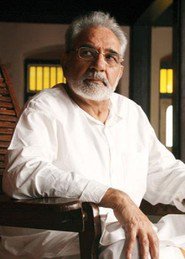
Kulbhushan Kharbanda
Kulbhushan Kharbanda is an Indian actor, best known for Tamil cinema. Kulbhushan Kharbanda began their career in 1981 and has been a prominent figure in the industry for over 45 years. With over 120 credits to their name, Kulbhushan Kharbanda remains one of the most prolific and celebrated talents in the industry. Kulbhushan Kharbanda's influence on Tamil cinema is generational — their work continues to define the standard for the industry.
- Born
- Age
- 81
Career Milestones
Iconic Roles
Shakti
Played a pivotal role as a police officer in this Amitabh Bachchan and Dilip Kumar starrer.
Shaan
Portrayed the iconic bald-headed villain with a pet eagle, becoming a memorable antagonist in Bollywood.
Defining Moments
Role in Shaan
His portrayal of the villain Shakaal brought him widespread recognition and established him as a notable character actor in mainstream cinema.
Role in Mandi
Played a groundbreaking gay character in Shyam Benegal's film, showcasing his versatility in parallel cinema.
Kulbhushan Kharbanda by the Numbers
If you watched every Kulbhushan Kharbanda film back-to-back, you'd be at it for roughly 9 days and 10h. Most-paired with Sunil Shetty — 6 films together.
Filmography
See all 120 credits →



Collaboration Network
The Constellation
Top 10 most-paired collaborators. Bubble size and line thickness reflect how many films they share with Kulbhushan Kharbanda.
Career Analytics
Genre Breakdown
Language Distribution
Films by Decade
Top Co-Actors
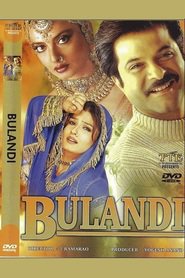
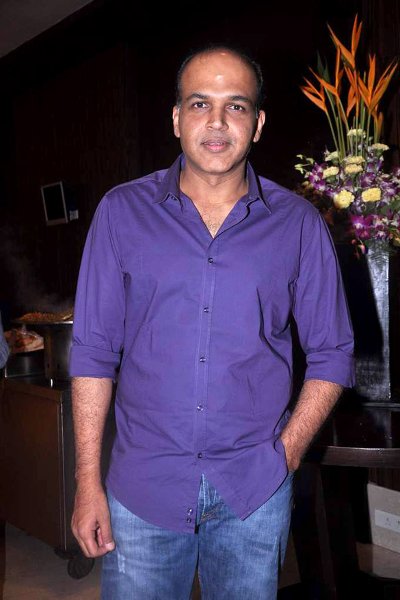
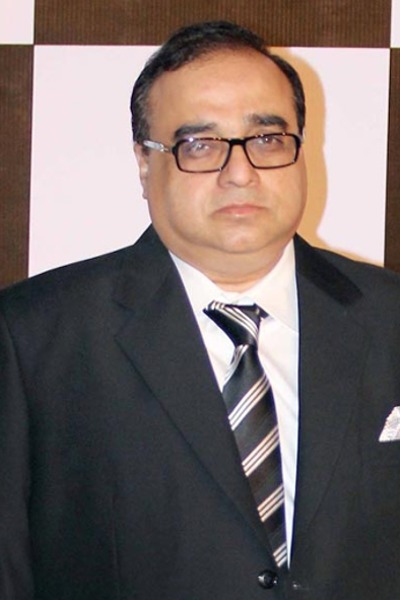
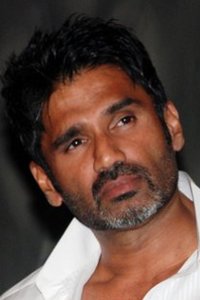
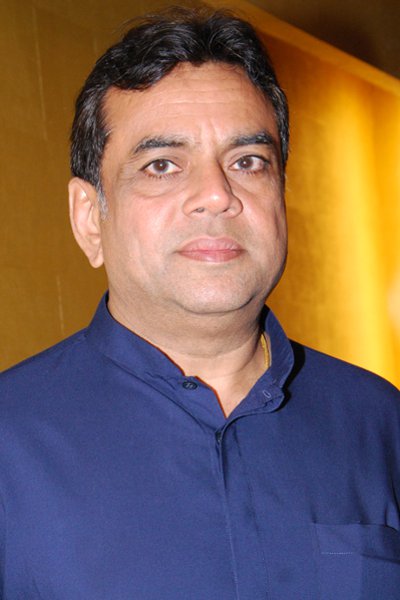
See all →Kulbhushan Kharbanda has worked most frequently with David Dhawan (3 films), Ashutosh Gowarikar (3 films), J. P. Dutta (3 films), Tinnu Anand (2 films), and Puneet Issar (2 films).


Did You Know?
Kulbhushan Kharbanda is one of the first Indian actors to play a gay character on screen in the film 'Mandi' (1983).
He began his acting career in theatre with the Indian People's Theatre Association (IPTA) in Delhi.
He is a prominent character actor known for his work in parallel cinema as well as mainstream Bollywood.
He co-founded the theatre group 'Yatrik' in Delhi before moving to Mumbai for films.
He has frequently collaborated with directors like Shyam Benegal and Govind Nihalani.
Legacy & Influence
Kulbhushan Kharbanda is a distinguished character actor whose career, spanning over five decades, represents a vital bridge between parallel and mainstream Indian cinema. His legacy is defined by remarkable versatility and an understated, powerful screen presence that elevated countless films. Kharbanda's trajectory began in the 1970s with the influential parallel cinema movement, most notably with Shyam Benegal's 'Nishant' (1975), where his performance helped establish a new realism in Indian storytelling. This foundation in meaningful, content-driven cinema remained a hallmark of his filmography. He seamlessly transitioned into commercial Hindi cinema, becoming one of the most reliable and prolific supporting actors of his generation. Kharbanda possessed a unique ability to embody a wide spectrum of roles, from menacing antagonists and authoritative patriarchs to compassionate figures, often providing the crucial dramatic ballast in narratives. His portrayal of the iconic villain Shakaal in 'Shaan' (1980) became a cultural reference point for flamboyant villainy. Conversely, his nuanced performances in films like 'Masoom' (1983) and 'Ek Chadar Maili Si' (1986) showcased profound emotional depth. Beyond Hindi cinema, he made significant contributions to Punjabi and other regional films. Kharbanda's primary contribution lies in his consistent integrity as a performer; he never resorted to caricature, bringing dignity and authenticity to every role, no matter its size. He became a trusted fixture for major directors across genres, from Benegal and Gulzar to Ashutosh Gowariker. His career demonstrates that impactful acting is not confined to lead roles, and he inspired a generation of character artists to pursue craft with seriousness. By excelling in both arthouse and commercial projects without compromising his artistic credibility, Kulbhushan Kharbanda solidified his status as a pillar of Indian cinema, whose body of work is a masterclass in sustained, quality performance.