Sutradhar(1987)
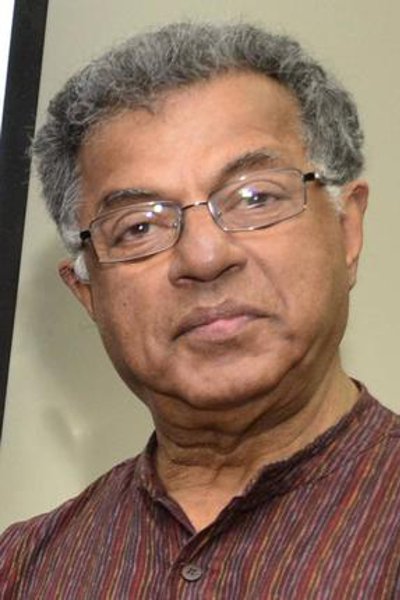
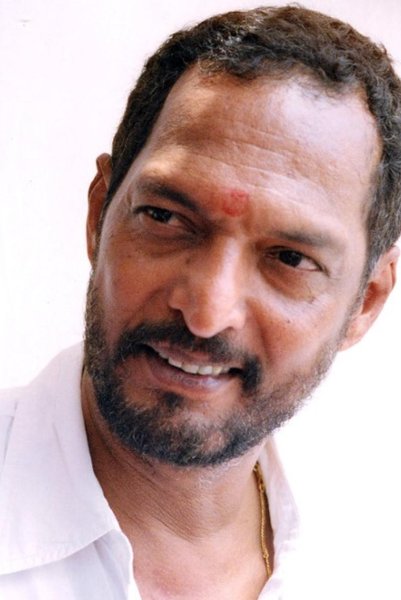
Sutradhar is a 1986 Hindi drama film directed by Chandrakant Joshi. It stars Nana Patekar, Smita Patil, and Girish Karnad in lead roles. The story follows Kumar, a young teacher who returns to his village and challenges a cruel zamindar. After winning a local election, Kumar gains power but slowly becomes corrupt. The film explores themes of power, politics, and the loss of ideals in rural India. It is known for its strong performances and realistic portrayal of village dynamics. The film was released after Smita Patil's death and is dedicated to her memory. It received positive reviews for its acting and social commentary.
Quick Facts
- Streaming on
- Zee5, YouTube
- Theatrical Release
- 1 January 1987
- Director
- Chandrakant Joshi
- Language
- Hindi
- Runtime
- 2h 4m
- Rating
- 3.1/10
Storyline
A young teacher named Kumar returns to his village and stands up against a cruel zamindar. He wins the local election and becomes the new leader. But power changes him, and he starts to become just like the tyrant he fought against. His wife Prerna watches helplessly as the man she loves loses his way.
“Power corrupts even the bravest hearts.”
Film Details
Parental Guide
Where to Watch
Vibe & Tags
Cast & Crew

Reunion Meter
Frequent partnerships reunited for Sutradhar
Cast reunions in this film: Girish Karnad & Smita Patil (3 films together), Nana Patekar & Smita Patil (2 films together), and Nana Patekar & Nilu Phule (2 films together).
Trivia
- The film's director, Chandrakant Joshi, was primarily known as a cinematographer, and this was one of his few directorial works.
- The movie was shot on location in rural Maharashtra, giving it a distinct, authentic visual feel compared to studio-bound dramas of the era.
- Actor Vijayendra Ghatge, who played the lead role of Kumar, was more famous for playing supporting characters in big films like 'Kranti' and 'Nikaah'.
- The film's title 'Sutradhar' translates to 'narrator' or 'puppeteer', symbolizing the control and manipulation of power in the story.
- Despite its dramatic plot, the film had a very limited theatrical release and is not widely available on home video or streaming platforms today.
- The story's theme of a revolutionary becoming the oppressor he once fought mirrors a common critique in Indian political narratives of the time.
- Music director Ajit Singh composed the score, but the film did not produce any major hit songs, which was unusual for a 1980s Hindi drama.