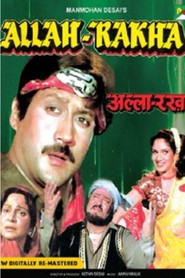
Allah-Rakha(1986)
Allah-Rakha is a 1986 Indian Hindi-language masala film directed by Ketan Desai. The film stars Jackie Shroff in a dual role as the titular hero and the villain Don Jr., alongside Dimple Kapadia, Meenakshi Sheshadri, Shammi Kapoor, and Waheeda Rehman. The story follows a man named Karim Khan who goes to prison for his boss, leading to a chain of events involving a baby swap, a lost child, and a corrupt politician. The narrative centers on a young man named Allah-Rakha who must uncover his true identity and fight against injustice. The film is notable for its Muslim protagonist, a rarity in Hindi cinema at the time. It was released on August 7, 1986.
Quick Facts
- Streaming on
- Vi Movies and TV, Zee5, Prime Video, YouTube
- Theatrical Release
- 7 August 1986
- Director
- Ketan Desai
- Language
- Hindi
- Runtime
- 2h 40m
- Rating
- 4.3/10
Storyline
A man takes the blame for a murder and goes to jail. His wife is killed while saving a baby from criminals. Years later, that baby grows up to be a young man named Allah-Rakha. He is framed for crimes he did not commit. He must fight a corrupt politician and discover his real family before it is too late.
“God protects the innocent.”
Film Details
Parental Guide
Where to Watch
Vibe & Tags
Cast & Crew
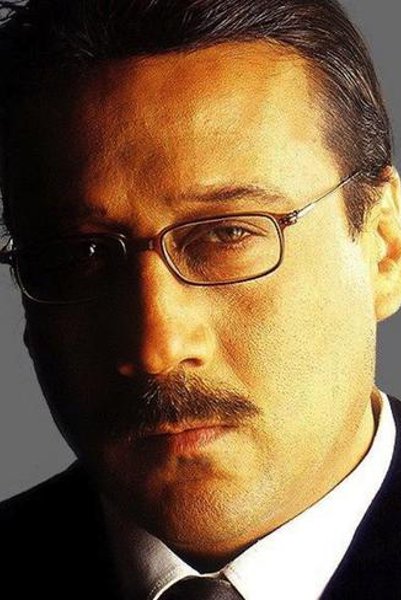
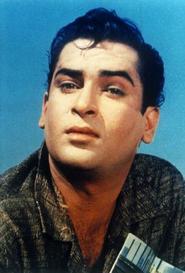

Reunion Meter
Frequent partnerships reunited for Allah-Rakha
Cast reunions in this film: Jackie Shroff & Shammi Kapoor (3 films together).
Trivia
- The film's title 'Allah Rakha' is also the name of a famous tabla player, but there is no direct connection to the movie.
- Actor Amitabh Bachchan was originally considered for the lead role, but it eventually went to Raj Babbar.
- The number 786, considered sacred in Islam, plays a key plot role as the pacemaker serial number.
- Director Ketan Desai is the son of veteran filmmaker Manmohan Desai, known for his masala films.
- The movie was a moderate box office success but did not achieve the blockbuster status of other 1980s action dramas.
- Some scenes were shot in real Mumbai chawls to depict the struggling family's living conditions authentically.
- The film's soundtrack, composed by Bappi Lahiri, included a popular qawwali song that gained radio play.