Ketan Desai
Ketan Desai is an Indian director, best known for Tamil cinema. Ketan Desai began their career in 1983. With 30 credits to their name, Ketan Desai remains one of the most prolific and celebrated talents in the industry. Ketan Desai is one of the most closely watched talents of their generation, with a rapidly growing body of acclaimed work.
Career Milestones
Film debut
View film →Highest rated: Coolie (6.7)
View film →Ketan Desai by the Numbers
If you watched every Ketan Desai film back-to-back, you'd be at it for roughly 9 hours.
Filmography
See all 30 credits →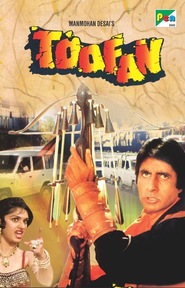
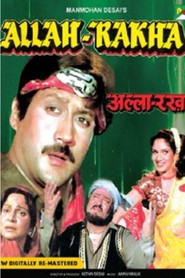
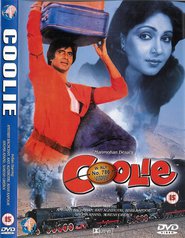
Career Analytics
Language Distribution
Films by Decade
Legacy & Influence
Ketan Desai is a significant figure in the Gujarati film industry, primarily recognized for his work as a director and producer. His career trajectory is closely tied to the revival and modernization of Gujarati cinema in the late 20th and early 21st centuries. He gained major commercial and critical success with the 2008 film 'Mare Javun Pele Paar', which is widely credited with revitalizing the Gujarati film industry by proving the viability of high-quality, contemporary storytelling for a regional audience. This film set a new benchmark for production values and narrative appeal in the industry. Desai continued this momentum with other successful films like 'Premji: Rise of a Warrior' and 'Bey Yaar', the latter being notable for its urban, youthful theme and clever dialogue. His contributions extend beyond direction; as a producer through his company, he has backed projects that have broadened the scope and thematic range of Gujarati cinema, moving it beyond traditional family dramas. His work played a crucial role in making Gujarati films commercially competitive and appealing to a wider, younger demographic, thereby helping to lay the groundwork for the industry's subsequent growth and increased national visibility. He is regarded as a pivotal force in transitioning the industry into its more prosperous modern era.