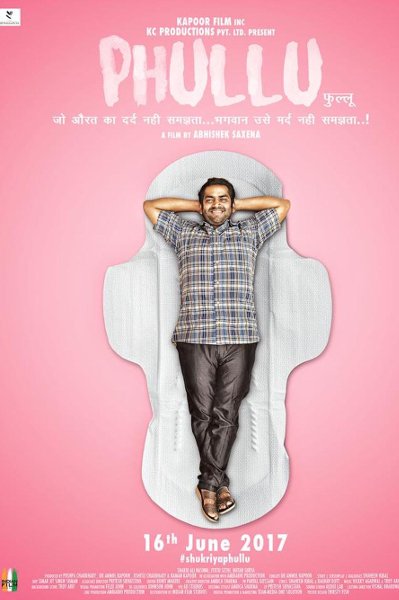
Phullu Full Story Explained (2018)
Imagine a village where women have to use dirty cloths during their periods. No one talks about it. It is a shameful secret. Then comes Phullu, a jobless man who does nothing all day. But when he sees the pain of the women around him, something changes. He decides to make low-cost sanitary pads. This 2017 Hindi film stars Sharib Hashmi as Phullu. It is a bold, funny, and emotional story about breaking taboos. Directed by Abhishek Saxena, the film is a simple man's fight against society's biggest silence. It will make you laugh, cry, and think.
A Jobless Man's Secret
Phullu is a good-for-nothing young man. He lives with his mother and sister in a small village. He has no job and no ambition. His mother is tired of his laziness. She thinks marriage will make him responsible. So she gets him married to a kind woman named Gauri. Phullu is happy but still does not work. He just runs errands for the village women.
Full Plot
Phullu is a young man who lives in a small, remote village in India. He has no job and no ambition. His mother is frustrated with his laziness. She decides to get him married, hoping marriage will make him mature. Phullu marries a kind woman named Gauri. Even after marriage, Phullu does not work. He spends his days running errands for the women in his village. He is known as a helpful but useless fellow.
One day, Phullu discovers a painful truth. He sees the women in his family using dirty cloth rags during their periods. They have no access to clean sanitary napkins. They suffer in silence because menstruation is a taboo topic. No one talks about it. Phullu's heart breaks when he sees Gauri's pain. He decides he must do something to help them.
Phullu starts researching how to make sanitary pads. He has no money and no skills. He experiments with cotton and cloth. He fails many times. His mother is furious with him. She thinks he has lost his mind. The village elders mock him. They say a man should not touch such 'dirty' things. But Phullu does not give up.
He faces many obstacles. Shopkeepers refuse to sell him materials. People laugh at him on the streets. His wife Gauri is scared of the social shame. But Phullu keeps going. He finds a few kind people who help him. A local beggar gives him wise advice. After many failures, Phullu finally makes a working sanitary pad.
Gauri tries the pad and feels clean and safe for the first time. She is overjoyed. But the village turns against Phullu. The elders call a meeting. They say he is polluting their culture. His mother is humiliated. The village threatens to throw them out. Phullu feels defeated but does not give up.
He stands firm and explains that periods are natural. He says women deserve dignity. Slowly, some women start supporting him. Gauri becomes his biggest champion. The village begins to change. Women try his pads and tell others. Phullu wins their trust. The taboo starts to break.
In the end, Phullu sets up a small unit to make pads. Women from nearby villages come to him. He becomes a local hero. The film ends on a hopeful note. Phullu has started a revolution. The message is clear: one person can change the world.
Act Breakdown
The Lazy Man's Life
We meet Phullu, a jobless young man. His mother is frustrated with him. She gets him married to Gauri. Phullu continues to be lazy. He runs errands for village women. He is happy but has no purpose. The act sets up his ordinary life.
The Painful Discovery
Phullu discovers the truth about menstruation. He sees the women using dirty cloths. He learns about their pain and shame. He decides to make sanitary pads. His family and village oppose him. The act ends with Phullu starting his mission.
The Struggle and Shame
Phullu faces huge resistance. His mother is angry. The village mocks him. He fails many times. He goes to the city for materials. He faces more problems. But he finds a few supporters. He finally makes a working pad. The village turns against him.
The Victory
Phullu stands firm against the village. Gauri supports him. Some women try his pads. They tell others. The taboo starts to break. Phullu sets up a pad-making unit. He becomes a local hero. The film ends with hope and change.
Characters
Phullu
Played by Sharib Hashmi
Phullu is a jobless, lazy young man who lives with his mother and sister. He is kind-hearted but has no direction. After marriage, he discovers the struggles women face during menstruation. He decides to make low-cost sanitary pads. He faces ridicule and shame but never gives up. In the end, he becomes a local hero who breaks a major social taboo.
Gauri
Played by Jyoti Sethi
Gauri is Phullu's wife. She is a kind, traditional village woman. She suffers in silence during her periods because she has no access to clean pads. She is initially scared of the social shame. But she supports Phullu's mission. She becomes his biggest champion. Her love and courage help Phullu succeed.
Phullu's Mother
Played by Nutan Surya
She is Phullu's frustrated mother. She gets him married hoping he will become responsible. She is furious when Phullu starts making sanitary pads. She thinks he has gone mad. She is humiliated by the village gossip. But in the end, she sees her son's success and accepts his mission.
Phullu's Sister
Played by Trisha Kale
She is Phullu's younger sister. She also suffers during her periods like the other women. She is quiet and scared. Her pain is one of the reasons Phullu decides to act. She represents the countless young girls who suffer in silence.
The Beggar
Played by Inaam Ul Haq
He is a local beggar who appears in a cameo role. He gives Phullu wise advice and comic relief. He charges for his 'gyaan' (knowledge). His words encourage Phullu to keep going. He is a small but memorable character.
Scene Highlights
The Dirty Cloth Discovery
Phullu accidentally sees Gauri hiding a dirty cloth. He asks her about it. She is ashamed and refuses to talk. He then sees his sister in pain. He realizes they use cloth rags during periods. This scene is the turning point. Phullu's eyes open to the suffering around him.
The First Failed Pad
Phullu tries to make a pad for the first time. He uses cotton and cloth. It falls apart immediately. His mother laughs at him. Gauri is embarrassed. Phullu is frustrated but does not give up. This scene shows his determination and the difficulty of his mission.
The Village Meeting
The village elders call a meeting. They accuse Phullu of polluting their culture. His mother is humiliated in front of everyone. The village threatens to throw the family out. Phullu stands up and speaks. He says periods are natural. This is a powerful, emotional scene.
Gauri Tries the Pad
Phullu gives Gauri his first working pad. She is nervous but tries it. She feels clean and safe for the first time. She cries with happiness. She hugs Phullu. This is a beautiful, emotional moment. It shows the personal impact of his mission.
The Final Success
In the end, Phullu's pad unit is running. Women come from far away to get pads. He is no longer a laughingstock. He is a hero. The scene is simple but powerful. It shows that one person's courage can change the world.
Cast & Context
Sharib Hashmi is the heart of the film. He is known for his role in the hit series The Family Man. Here, he plays a simple village man with complete sincerity. Jyoti Sethi, who plays Gauri, brings warmth and vulnerability. This was a fresh pairing for audiences. Nutan Surya, as Phullu's mother, is excellent as the frustrated parent. The casting is perfect for a small, realistic film. Each actor feels like a real person from a village.
Themes
Breaking the Taboo
The film openly talks about menstruation, a topic considered shameful in Indian villages. Phullu challenges the silence. He shows that periods are natural and not dirty. The film educates the audience about menstrual hygiene. It is a bold step in Indian cinema.
One Man's Determination
Phullu is an unlikely hero. He is lazy and uneducated. But his love for the women in his life drives him. He faces ridicule, shame, and threats. He never gives up. The film shows that determination can overcome any obstacle.
Women's Dignity
The film is about giving women basic dignity. Phullu's mission is not just about pads. It is about respecting women's bodies and needs. The film argues that women deserve clean, safe products. It is a fight for their basic human rights.
Social Stigma vs. Change
The village represents traditional, regressive thinking. Phullu represents change. The film shows how society punishes those who challenge norms. But it also shows that change is possible. One brave person can start a movement.
Music & Soundtrack
ComposerVickky Agarwal
The music by Vickky Agarwal is a strong asset. Songs like 'Chukar Tujhe' and 'Bhunoor Bhunoor' received good responses. They add emotional depth to the story. The background score by Troy Arif is effective in building the film's mood.
Similar Films
Both films are about a man who makes low-cost sanitary pads for women. They share the same inspiring true story.
Both films are social dramas about a man fighting for women's dignity in a rural Indian setting.
Both are small-budget Hindi films that tackle serious social issues with a simple, honest story.
Both films break a social taboo (erectile dysfunction in Shubh Mangal Savdhan) with humor and heart.
Ending Explained
The film ends on a hopeful and triumphant note. Phullu has successfully made low-cost sanitary pads. He has set up a small production unit in his village. Women from his village and nearby areas come to him for pads. They no longer have to use dirty cloths. They feel clean, safe, and dignified. Phullu's mother finally accepts his mission. She is proud of her son. Gauri stands by his side as his biggest supporter. The village elders who once mocked him are now silent. The taboo around menstruation has started to break. The final scene shows Phullu smiling as he works. He is no longer a jobless loafer. He is a hero. The message is clear: one person's courage can change the world. The film does not show what happens next. But it leaves the audience with hope. Phullu has started a revolution that will only grow.
Phullu is a sincere and bold film. It deserves praise for talking about menstruation, a topic most films avoid. Sharib Hashmi gives a wonderful performance. He makes you root for his character. The film is a bit slow and preachy at times. The second half drags. But the emotional core is strong. If you like social dramas with a message, watch it. It is not as polished as Padman, but it has more heart. A good film for women and young girls to watch with their families.
Frequently Asked Questions
Yes, Phullu is inspired by real events. It is based on the life of an uneducated man who made sanitary pads for women in his village. The film is similar to the story of Arunachalam Muruganantham, who inspired the film Padman. Phullu was released before Padman.
The main message is that menstruation is natural and not shameful. The film wants to break the taboo around periods. It also shows that one determined person can make a big difference. It is a call for menstrual hygiene and women's dignity.
Phullu faced opposition because menstruation is a taboo topic in rural India. People believed a man should not touch such 'dirty' things. The village elders thought he was polluting their culture. His family was scared of social shame. This opposition shows how deep the stigma is.
Both films are about making sanitary pads. But Phullu is a smaller, low-budget film. It focuses on a simple, uneducated village man. Padman is a bigger, star-studded film with Akshay Kumar. Phullu was released first. It has a more raw, documentary-like feel.
Yes, if you like social dramas with a heart. The film is sincere and has a strong message. Sharib Hashmi's performance is excellent. The film is a bit slow and preachy at times. But it is worth watching for its bold topic and emotional story.