Sharib Hashmi
Sharib Hashmi is an Indian actor, best known for Tamil cinema. Sharib Hashmi began their career in 2012 and has been a prominent figure in the industry for over 14 years. With 30 credits to their name, Sharib Hashmi remains one of the most prolific and celebrated talents in the industry. Spanning 10+ years, Sharib Hashmi's career remains one of the longest and most celebrated in Tamil cinema.
- Born
- Age
- 50
Biography
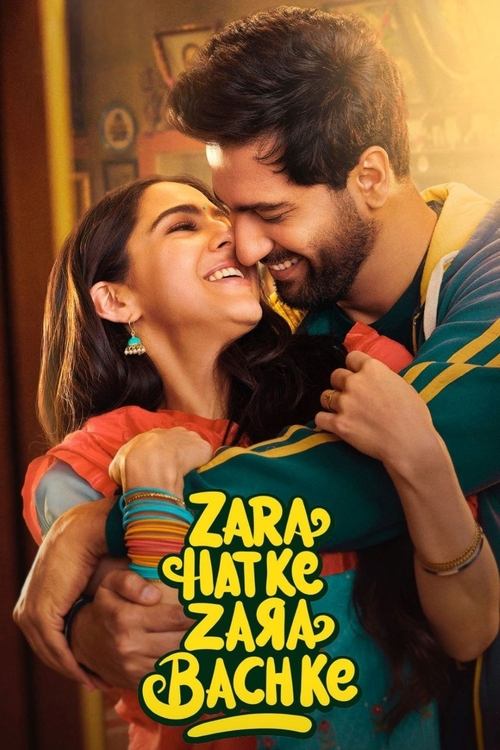
Sharib Hashmi is a Mumbai-born Hindi cinema actor, writer, and producer, best known for playing the lead role of Sunny in Filmistaan (2014), a comedy-drama about a Bollywood-obsessed man kidnapped in Pakistan. Filmistaan won the National Film Award for Best Feature Film in Hindi at the 60th National Film Awards, and Hashmi won the Screen Award for Best Actor for his performance. He gained widespread recognition as J.K. Talpade in the Amazon Prime Video series The Family Man (2019–2021) alongside Manoj Bajpayee, earning a Filmfare OTT Award for Best Supporting Actor. His recent credits include supporting roles in Vikram Vedha (2022), Tarla (2023), Afwaah (2023), and Zara Hatke Zara Bachke (2023).
Career Milestones
Film debut in Slumdog Millionaire in a minor role as Prakash
Breakthrough lead role as Sunny, a Bollywood-obsessed aspiring actor; film won National Film Award for Best Feature Film in Hindi
View film →Won Screen Award for Best Actor in a Comic Role for Filmistaan
Cast as J.K. Talpade in The Family Man, revitalizing his career; won Filmfare OTT Award for Best Supporting Actor in a Drama Series
Won OTT Play Award for Best Supporting Actor for his portrayal of Nalin Dalal
View film →Iconic Roles
The Family Man
Best friend and colleague of Srikant Tiwari in this Amazon Prime spy-thriller series; the perpetually single, middle-class intelligence officer became a fan favourite for blending comic relief with emotional depth, earning Hashmi a Filmfare OTT Award for Best Supporting Actor.
Filmistaan
Lead role as a Bollywood-obsessed aspiring actor who gets kidnapped across the India-Pakistan border; the National Award-winning film gave Hashmi his breakout performance and cemented him as a versatile dramatic talent.
Vikram Vedha
Supporting role whose two standout scenes — one instructing children on dealing with police, another serving as a metaphor for the Shiva-snake dynamic — were widely cited by reviewers as among the film's best moments.
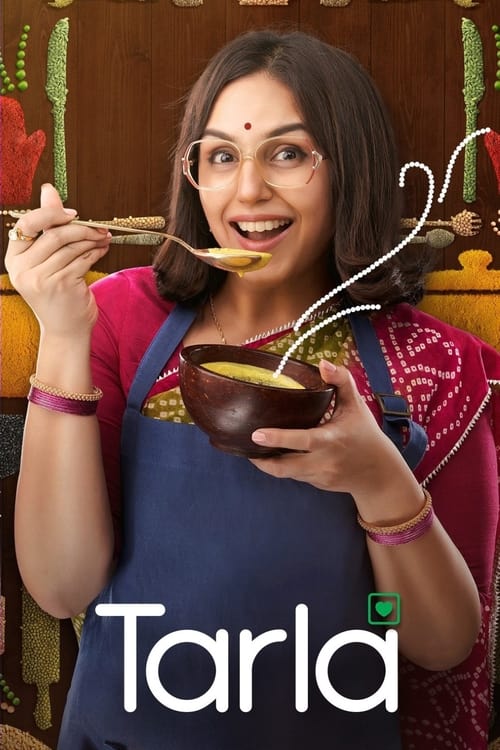
Tarla
Supportive yet subtly complex husband of culinary icon Tarla Dalal, praised for a nuanced portrayal of a progressive man quietly grappling with his wife's rising fame.
Afwaah
A menacing antagonist capable of fabricating communal violence and manipulating events, showcasing Hashmi's range beyond comic and affable supporting parts.
Defining Moments
As Sunny, a Bollywood-obsessed aspiring actor kidnapped in Pakistan, his entire performance — especially scenes where he bonds with his captor over Hindi films — became the emotional and comedic core of the film. He won the Screen Award for Best Actor in a Comic Role for this role.
His breakthrough film role that won national and screen awards, established him as a nuanced character actor, and remains his most celebrated film performance despite paradoxically leading to a career dry spell.
View film →As JK Talpade in The Family Man, his raw monologue in a jail scene where he tells Srikant: 'Single leena single marna — isse bada shraap nahi hain life mein' (To live single and die single is life's biggest curse) — a moment of unexpected vulnerability from his comic-relief character.
The role transformed his career and brought him into mainstream OTT households across India; he won the Filmfare OTT Award for Best Supporting Actor for this emotionally layered performance.
As Sharad Bellary in Scam 1992, the nervous whistleblower SBI employee who arrives at Times of India to expose Harshad Mehta's fraud — his perpetually anxious demeanor, handkerchief-wiping, and naturalistic gait in the opening sequence became instantly iconic.
Reviewers praised his performance as catalytic to the entire narrative arc, with his 'on point' expressions from the very first scene charming viewers despite limited screen time.
As Babloo, the scene where Vedha philosophically discusses Shiva and the serpent coiled around his neck — a metaphor for Babloo being the snake and Vikram being his Shiva — before the revelation of deeper power dynamics between the characters.
Critics singled out Hashmi as delivering one of the film's standout supporting performances, with one reviewer writing he 'walks away with various shades to his brilliantly executed character' and 'offers a glimpse at the superior movie that might have been.'
View film →As Nalin Dalal, Tarla's supportive husband, his quiet, dignified portrayal — modeled physically on his own late father with a pencil mustache and high-waist trousers — earned direct praise from Tarla Dalal's real daughter Renu Dalal, who said he 'portrayed my father beautifully.'
A deeply personal role that demonstrated his dramatic range beyond comedy; the real family's validation made it one of his most emotionally meaningful performances.
View film →Sharib Hashmi by the Numbers
If you watched every Sharib Hashmi film back-to-back, you'd be at it for roughly 2 days and 19h. Most-paired with Divya Dutta — 3 films together.
Filmography
See all 30 credits →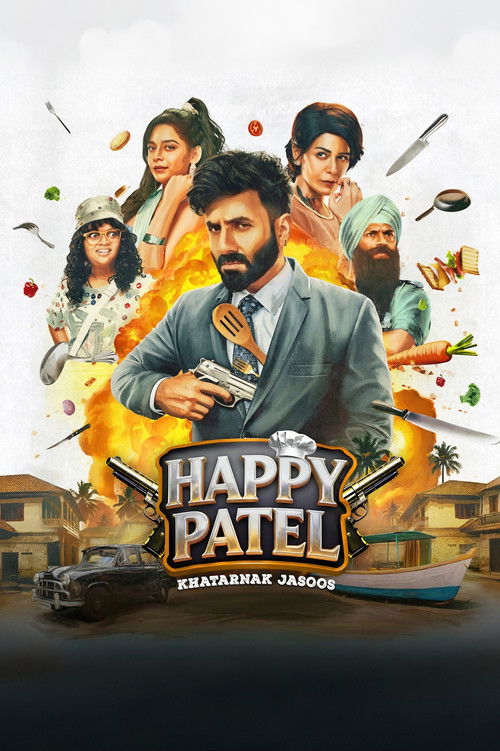


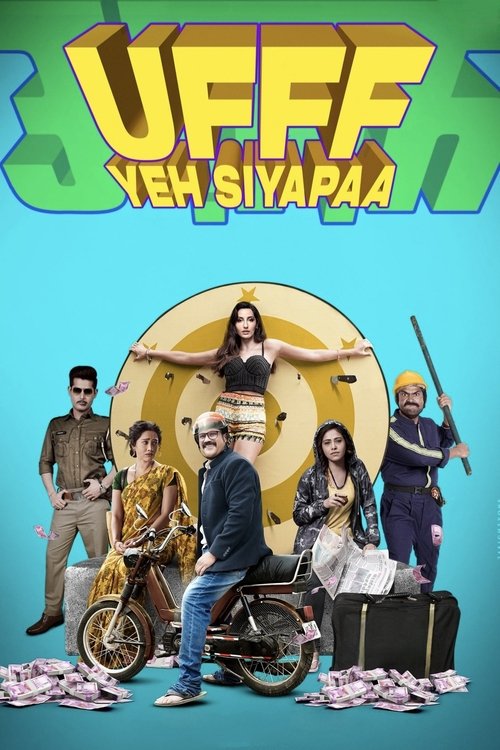
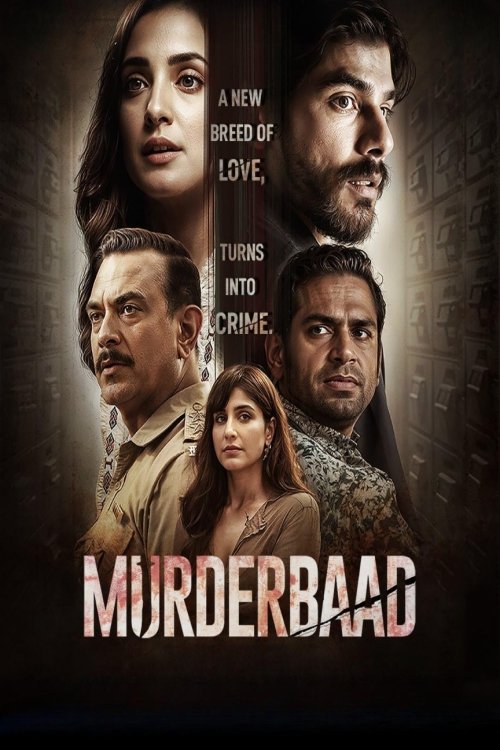



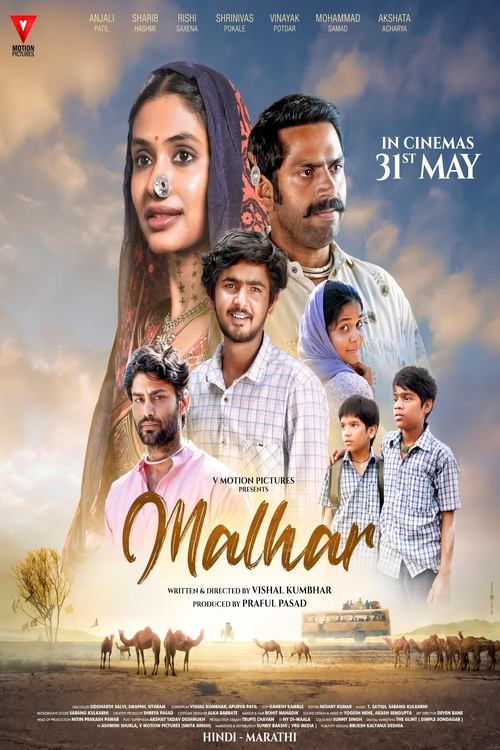

Collaboration Network
The Constellation
Top 6 most-paired collaborators. Bubble size and line thickness reflect how many films they share with Sharib Hashmi.
Career Analytics
Genre Breakdown
Language Distribution
Films by Decade
Top Co-Actors
See all →Sharib Hashmi has worked most frequently with Divya Dutta (3 films), Inaamulhaq (3 films), Kumud Mishra (2 films), Vinay Pathak (2 films), and Gunjan Malhotra (2 films).



Did You Know?
Sharib Hashmi is an Indian actor and writer known for his work in Hindi cinema and web series.
He gained widespread recognition for his role in the 2014 film 'Filmistaan', which won the National Film Award for Best Feature Film in Hindi.
Sharib Hashmi co-wrote the screenplay for the film 'Filmistaan' along with director Nitin Kakkar.
He has appeared in popular web series such as 'The Family Man' on Amazon Prime Video, playing the character JK Talpade.
Sharib Hashmi started his career as an assistant director and worked on films like 'A Wednesday!' (2008).
Signature Dialogues
Tereko kya problem hain? Tune toh jeevan ke saare sukh bhog liye hain naa..pehle biwi, phir bacche…uske pehle girlfriend uske baad mein jhagada…sab akela kon marega…main…single leena single marna isse bada shraap nahi hain life mein.
JK Talpade·The Family Man
Tereko naa FOMO ho gaya hai.
JK Talpade·The Family Man
If the nation was one, then the cricket team would be the strongest with Sachin, Dhoni, Afridi and Shoaib in one team.
Sunny·Filmistaan
Legacy & Influence
Sharib Hashmi has carved a distinct niche in Indian cinema as a versatile and relatable character actor, celebrated for his naturalistic performances and ability to embody the common man with authenticity and depth. His career trajectory is a testament to perseverance and talent, breaking through after years of work in television and smaller film roles. His defining moment came with the critically acclaimed 'Filmistaan' (2014), where his portrayal of a passionate Bollywood-obsessed commoner showcased his exceptional comic timing and emotional range, earning him widespread recognition and establishing him as a talent to watch. Hashmi's contribution lies in elevating supporting roles, bringing a grounded, everyman quality to diverse characters across genres—from the earnest tailor in 'Nakkash' to the supportive friend in 'Ujda Chaman'. He represents a growing space in Hindi cinema for actors who thrive without conventional lead hero personas, focusing on craft and character integrity. His work often explores social themes and human connections, making complex narratives more accessible. By consistently delivering nuanced performances, Hashmi has expanded the scope for character actors, proving that impactful storytelling often resides in the authenticity of the supporting cast. He continues to be a respected figure for filmmakers seeking reliable and profound character portrayals, influencing a shift towards more content-driven cinema where such performances are central to a film's success.