Panchlait Full Story Explained (2017)
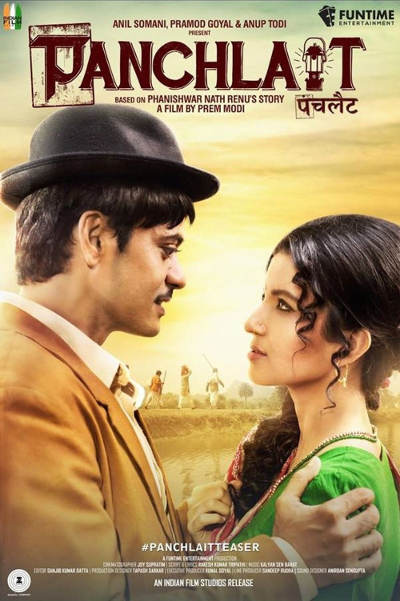
Imagine living in a village with no electricity. The nights are pitch black. People gather around a single kerosene lamp to talk. Now imagine the whole village pooling money to buy a fancy new lamp called a Panchlait. But no one knows how to light it. That is the simple, beautiful story of this movie. Panchlait (2017) is a Hindi social comedy directed by Prem Prakash Modi. It stars Amitosh Nagpal, Yashpal Sharma, and Brijendra Kala. The film is based on a famous short story by Phanishwar Nath Renu. It shows how a simple object can change a man's life. It is a warm, funny, and emotional look at village life. You will laugh, you will feel for the characters, and you will see how a little light can bring a whole community together.
A Village in Darkness
The film opens in a remote North Indian village. There is no electricity here. People use small kerosene lamps. The nights are long and dark. The villagers dream of a better light. They talk about buying a Panchlait.
Full Plot
Panchlait is set in a small, remote village in North India. The village has no electricity. People rely on small, dim kerosene lamps. The village is run by a Panchayat, led by the Sarpanch. The Sarpanch is a proud and influential man. The villagers are simple farmers and laborers. They all live together, but there is a clear social order. At the bottom of this order is Godhan. Godhan is a poor, uneducated man. The villagers treat him badly. They call him names and exclude him from gatherings. He lives alone on the outskirts. He is an outcast, and he feels it deeply.
One day, the Sarpanch has an idea. He wants to buy a Panchlait. A Panchlait is a powerful petrol lamp. It can light up a large area. It will bring light to the village square. Everyone is excited. They all contribute money. The Sarpanch sends someone to the city to buy it. The lamp arrives. It is beautiful and shiny. But there is a problem. No one knows how to light it. The Sarpanch tries. The village elder tries. Everyone tries. But the lamp stays dark. The villagers are disappointed. Their dream is fading.
Godhan watches all of this. He knows how to light the Panchlait. He worked in a city once. He saw a similar lamp there. He is scared to speak up. The villagers will mock him. But he also sees an opportunity. This is his chance to earn respect. He takes a deep breath and steps forward. He tells the villagers he can light it. They laugh at him. But they are desperate. They let him try. Godhan carefully pumps the air. He adjusts the mantle. He lights a match. The Panchlait roars to life. A bright, beautiful light fills the square. Everyone is stunned. They cheer for Godhan.
Godhan becomes the hero of the village. Everyone wants to be his friend. They offer him food and drink. He is happy for the first time. But the Sarpanch is jealous. He was the leader. Now Godhan is the center of attention. The Sarpanch starts a rumor. He says Godhan stole the lamp. He says Godhan is a thief. The villagers believe the Sarpanch. They turn against Godhan again. They call him names. Godhan is heartbroken. He goes back to his lonely hut.
But the truth comes out. A village elder knows the real story. He tells everyone that Godhan did not steal anything. He just knew how to light the lamp. The villagers feel ashamed. They realize they were wrong. They go to Godhan and apologize. The Sarpanch is humbled. He admits his mistake. Godhan forgives everyone. He is accepted back into the community. The film ends with a celebration. The whole village sits together under the bright Panchlait. Godhan is no longer an outcast. He is one of them. The light brings them all together.
Act Breakdown
Life in Darkness
We meet the village and its people. We see how they live without electricity. We meet Godhan, the outcast. The Sarpanch decides to buy a Panchlait. The villagers contribute money. The lamp is ordered and arrives.
The Lamp Won't Light
The Panchlait has arrived, but no one can light it. Everyone tries and fails. The village is disappointed. Godhan watches from a distance. He knows he can do it. He decides to step forward.
Hero to Outcast
Godhan lights the lamp and becomes a hero. The villagers celebrate him. The Sarpanch becomes jealous. He starts a rumor that Godhan stole the lamp. The villagers believe him. Godhan is rejected again.
Truth and Unity
A village elder reveals the truth. The Sarpanch's lie is exposed. The villagers apologize to Godhan. The Sarpanch is humbled. The whole community gathers under the Panchlait. Godhan is accepted. The film ends with unity and light.
Characters
Godhan
Played by Amitosh Nagpal
Godhan is the main character. He is a poor, uneducated man. The village treats him as an outcast. He is lonely and wants respect. He knows how to light the Panchlait from his time in the city. He uses this knowledge to gain acceptance. In the end, he is welcomed back into the community.
Sarpanch
Played by Yashpal Sharma
The Sarpanch is the village leader. He is proud and influential. He decides to buy the Panchlait. He gets jealous when Godhan becomes the hero. He starts a rumor to bring Godhan down. He is humbled when the truth comes out. He learns a lesson about humility.
Chhadidaar Aganu Mahto
Played by Brijendra Kala
Aganu Mahto is a village elder. He is wise and respected. He helps the Sarpanch with decisions. He is fair and honest. He is the one who reveals the truth about Godhan. He plays a key role in restoring peace.
Sarpanchain
Played by Kalpana Thakur Jha
The Sarpanchain is the Sarpanch's wife. She is a strong woman. She has influence in the village. She supports her husband but also sees his faults. She helps guide the community.
Scene Highlights
The Panchlait Arrives
The whole village gathers to see the new lamp. It is carried in like a king. Everyone is excited. They touch it and admire it. The Sarpanch is very proud. This scene shows the joy and hope the lamp brings. It is a moment of pure happiness.
Godhan Lights the Lamp
This is the most important scene. Godhan steps forward. The villagers laugh. He ignores them. He carefully pumps the lamp. He lights the mantle. The bright light explodes. Everyone gasps. The look on Godhan's face is pure triumph. It is a powerful moment.
The Sarpanch's Lie
The Sarpanch is alone with his jealousy. He cannot stand Godhan's success. He tells a few men that Godhan stole the lamp. He says it with a straight face. This scene shows how pride can make a good man do bad things. It is tense and uncomfortable.
The Truth Comes Out
A village elder calls a meeting. He tells everyone the truth. He says Godhan learned to light the lamp in the city. He did not steal anything. The villagers are silent. They feel ashamed. The Sarpanch looks down. This scene is the turning point. It brings the story to a close.
The Final Gathering
The film ends with everyone sitting together. The Panchlait is lit. Godhan sits in the middle. He is smiling. The Sarpanch sits next to him. They talk and laugh. The light shines on everyone. It is a simple, beautiful scene. It shows that everything is okay now.
Cast & Context
Panchlait brings together a strong ensemble of character actors. Amitosh Nagpal plays Godhan. He is known for his work in theater and films like 'Masaan'. Yashpal Sharma plays the Sarpanch. He is famous for his roles in 'Gangs of Wasseypur' and 'Mukkabaaz'. Brijendra Kala plays the village elder. He is a familiar face in Hindi cinema, known for 'Kahaani Ghar Ghar Kii' and 'Haasil'. This is not a star-driven film. It relies on the talent of these actors to bring the village to life. Their experience in realistic cinema makes the story feel authentic and grounded.
Themes
Social Exclusion
The film shows how society treats outcasts. Godhan is excluded because he is poor and uneducated. The villagers mock him and keep him away. This theme is real in many villages. The film shows how unfair this is.
Knowledge is Power
Godhan has a simple skill. He knows how to light a lamp. This small knowledge changes his life. It gives him power and respect. The film shows that even a little learning can make a big difference.
Jealousy and Pride
The Sarpanch is a proud man. He cannot stand seeing Godhan become a hero. His jealousy makes him lie. This theme shows how pride can hurt a community. It also shows how important it is to admit mistakes.
Community and Unity
The Panchlait brings the village together. At first, it causes conflict. But in the end, it unites everyone. The film shows that a community is stronger when everyone is included. The light is a symbol of this unity.
Music & Soundtrack
ComposerRakesh Kumar Tripathi
The music of Panchlait is simple and folk-based. It matches the village setting. The song 'Saajan Saajan' is a sweet, romantic number. It adds warmth to the story. The background music is subtle. It supports the emotions without overpowering the scenes.
Similar Films
Both are set in a rural Indian village. Both focus on community life and simple problems. Both have a warm, comedic tone.
Both films are social comedies set in rural India. They both deal with village politics and human nature. They share a realistic, understated style.
Amitosh Nagpal stars in both films. Both are set in small-town India. They both explore social issues with a human touch.
Both films are about village life in India. They both focus on a single issue that affects the whole community. They share a similar tone and setting.
Ending Explained
The ending of Panchlait is warm and hopeful. After the truth comes out, the villagers realize their mistake. They treated Godhan badly for no reason. They go to his hut and apologize. The Sarpanch also admits he was wrong. He was jealous, and he lied. He asks for Godhan's forgiveness. Godhan, who just wanted to belong, forgives everyone. He does not hold a grudge. He is just happy to be accepted. The whole village then gathers in the square. They light the Panchlait again. This time, Godhan sits with them. He is no longer on the outside. He is part of the community. The bright light shines on everyone's faces. They talk, laugh, and celebrate together. The message is clear. A community is only strong when it includes everyone. Knowledge and kindness are more important than wealth or status. The film ends on a simple, beautiful note. The darkness is gone, both outside and inside their hearts.
Panchlait is a gentle, heartwarming film. It is not a big commercial movie. It is a small story told with love. If you enjoy simple, character-driven stories about village life, you will love this. The performances are genuine. The message is beautiful. The film has a slow pace. Some may find it too simple. But its honesty is its strength. It is a perfect watch for anyone who wants a break from loud, action-packed films. It is a reminder that the best stories are often the simplest. Highly recommended for fans of Indian art-house cinema.
Frequently Asked Questions
A Panchlait is a type of powerful kerosene lamp. It is also called a Petromax lamp. It uses air pressure and a mantle to create a very bright light. In the film, it is a symbol of progress and unity for the village.
No, Panchlait is not a true story. It is based on a famous Hindi short story by Phanishwar Nath Renu. The story is called 'Panchlight'. It is a work of fiction that shows real village life in India.
The movie Panchlait was directed by Prem Prakash Modi. He is a filmmaker who focuses on stories from rural India. He adapted the story from Phanishwar Nath Renu's original work.
The main message is that knowledge and kindness matter more than social status. The film also shows how jealousy and pride can hurt a community. It teaches that everyone deserves respect and a place to belong.
Panchlait was released in theaters in 2017. It may be available on streaming platforms or on DVD. Check popular OTT platforms or your local library for availability.