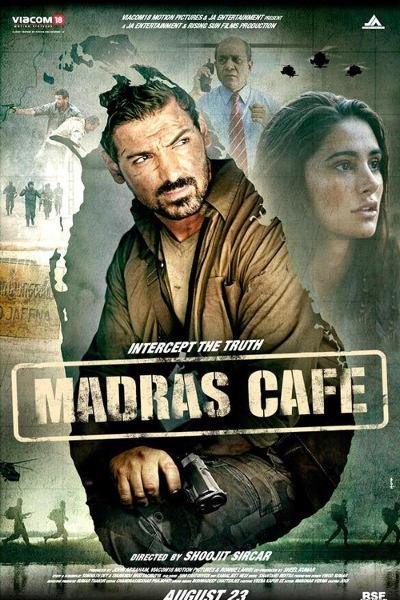
Madras Cafe(2013)
Madras Cafe is a 2013 Indian Hindi-language political action thriller film directed by Shoojit Sircar. It stars John Abraham as Vikram Singh, a RAW intelligence agent, alongside Nargis Fakhri, Raashi Khanna, and Prakash Belawadi. The story is set during the Sri Lankan civil war in the late 1980s and early 1990s, focusing on an Indian agent's mission to infiltrate a rebel group and prevent a political assassination. The film was praised for its realistic portrayal of war, tight screenplay, and absence of commercial Bollywood elements like songs and romance. It won 12 awards and received 16 nominations, including several for Best Film and Best Director. Produced by John Abraham and Ronnie Lahiri under the banners J.A. Entertainment and Rising Sun Films, the movie was released on 23 August 2013.
Quick Facts
- Streaming on
- Prime Video
- Theatrical Release
- 23 August 2013
- Director
- Shoojit Sircar
- Language
- Hindi
- Runtime
- 2h 10m
- Rating
- 7.3/10
Storyline
A RAW agent named Vikram Singh travels to war-torn Sri Lanka to break a powerful rebel group. He runs a small cafe as a cover while gathering intelligence. But he uncovers a deadly plot to assassinate a former Indian Prime Minister. With a journalist's help, he races against time to stop the attack.
“The truth is the only weapon.”
Film Details
Parental Guide
Where to Watch
Vibe & Tags
Cast & Crew


Reunion Meter
Frequent partnerships reunited for Madras Cafe
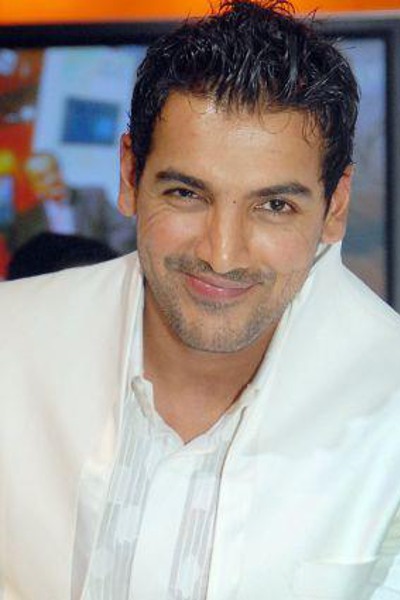
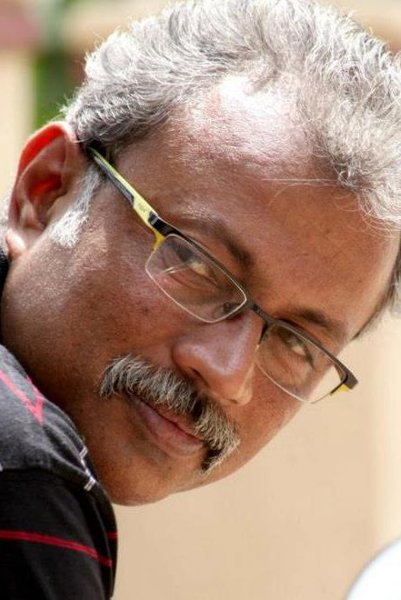
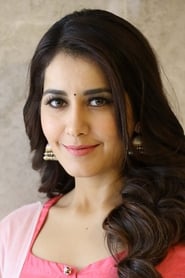
Cast reunions in this film: Rashi Khanna & Raashii Khanna (2 films together), John Abraham & Prakash Belawadi (2 films together), and Shoojit Sircar & Shantanu Moitra (2 films together).
Trivia
- The film's title was changed from 'Jaffna' to 'Madras Cafe' to avoid political sensitivity.
- John Abraham performed his own stunts, including a risky underwater sequence without a body double.
- It was shot in real conflict zones in Sri Lanka and Thailand to capture authentic war-torn settings.
- Director Shoojit Sircar researched for over two years, consulting ex-RAW agents and conflict journalists.
- The film faced protests and bans in some regions due to its portrayal of the Sri Lankan civil war.
- It was one of the first mainstream Hindi films to use a non-linear narrative structure for a political thriller.
- The crew used minimal makeup and natural lighting to maintain a gritty, documentary-style realism.