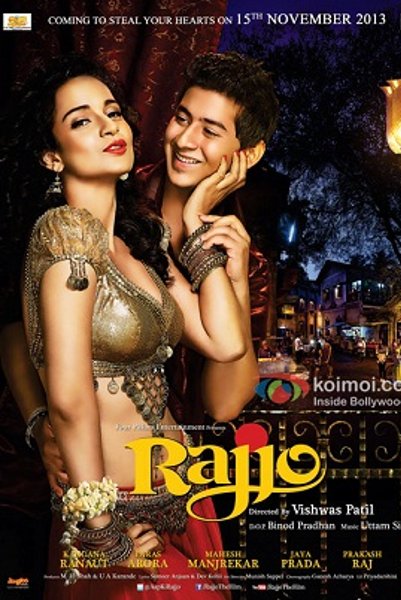
Rajjo(2013)
Rajjo is a 2013 Indian Hindi-language romantic drama film written and directed by Vishwas Patil. The film stars Kangana Ranaut in the title role, alongside Paras Arora, Prakash Raj, and Mahesh Manjrekar. The story follows Rajjo, a nautch girl in a Mumbai Kotha, who falls in love with a young man named Chandu. Their love is threatened by a wealthy and cruel customer, Govind Hande, who wants to own Rajjo. The film explores themes of love, sacrifice, and the exploitation of women in the dying Kotha culture. It received negative reviews from critics and performed poorly at the box office. The film was released on November 15, 2013.
Rajjo is streaming on VI Movies and TV and Amazon Prime Video.
Where to watch:Quick Facts
- Streaming on
- VI Movies and TV, Amazon Prime Video, ShemarooMe, MX Player
- Theatrical Release
- 15 November 2013
- Director
- Vishwas Patil
- Language
- Hindi
- Runtime
- 2h 3m
- Rating
- 3.5/10
Storyline
Rajjo is a nautch girl trapped in a Mumbai Kotha. She dreams of freedom but is controlled by a cruel eunuch and a wealthy man who wants to own her. When she falls in love with a kind young man named Chandu, she must fight to escape her prison and build a new life.
“Love in the dying Kothas”
Film Details
Parental Guide
Where to Watch
Vibe & Tags
Cast & Crew



Reunion Meter
Frequent partnerships reunited for Rajjo
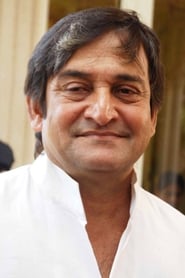
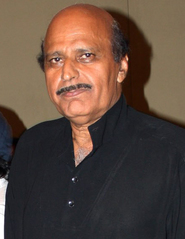
Cast reunions in this film: Kangana Ranaut & Mahesh Manjrekar (3 films together), and Jayapradha & Avtar Gill (2 films together).
Trivia
- The film was based on director Vishwas Patil's own Marathi novel of the same name, which he adapted for the screen.
- Kangana Ranaut learned traditional Kathak dance for her role as a nautch girl, training for several weeks.
- The movie was shot extensively in real Mumbai kothas and chawls to capture the fading cultural setting authentically.
- It marked the Hindi film debut of Malayalam actor Jayasurya, who played the male lead Chandu.
- The film's soundtrack featured a rare classical-based song 'Moriya Re' sung by Shreya Ghoshal and composed by Uttam Singh.
- Despite its 2013 release, the story is set in the late 1990s, reflecting the decline of Mumbai's traditional dance houses.
- The movie faced very limited theatrical screening and was a major commercial failure, ending its run quickly.