
Paras Arora
Paras Arora is an Indian actor, best known for Tamil cinema. Paras Arora began their career in 2009 and has been a prominent figure in the industry for over 17 years. With 30 credits to their name, Paras Arora remains one of the most prolific and celebrated talents in the industry. Spanning 10+ years, Paras Arora's career remains one of the longest and most celebrated in Tamil cinema.
- Born
- Age
- 32
Biography
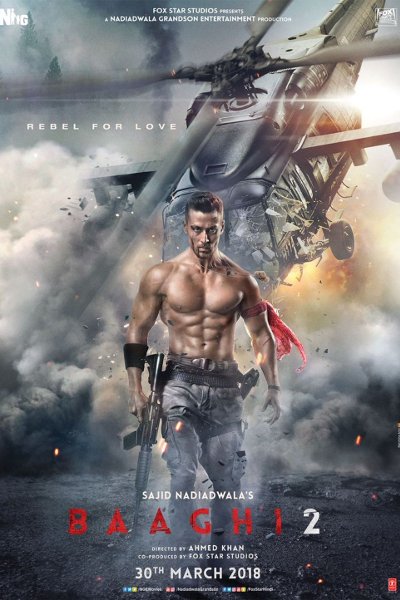
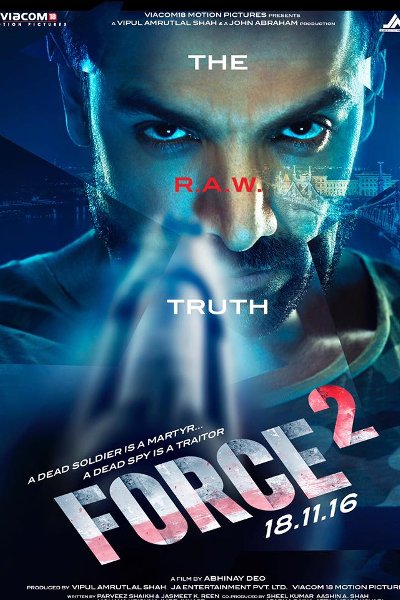
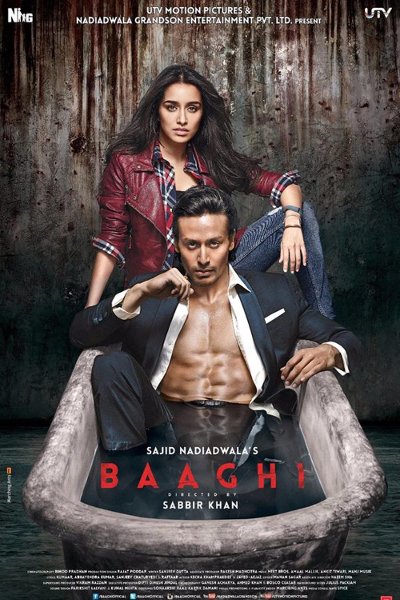
Paras Arora is an Indian actor from Bareilly, Uttar Pradesh, who works primarily in Hindi television and film. He is best known for his role as Abhimanyu in the 2013 television epic Mahabharat, and made his Bollywood film debut in Rajjo (2013) playing a young neighborhood boy named Chandu. He has appeared in supporting roles in films such as Force 2 (2016), Baaghi: Rebels in Love (2016), Baaghi 2 (2018), and the Tamil-Hindi bilingual Kaadan (2021). He began his screen career as a child actor in 2006 with the show Raavan and has since maintained a consistent presence across television serials including Udaan and Kaatelal & Sons.
Career Milestones
Television breakthrough as Dasanan Ravan
Film debut
View film →Breakthrough film role alongside Kangana Ranaut
View film →Played Abhimanyu in acclaimed mythological series
Appeared in major action franchise
View film →Iconic Roles
Rajjo
A young Brahmin boy who falls in love with nautch girl Rajjo played by Kangana Ranaut; his most discussed film role cited across multiple sources.
Mahabharat (TV)
Played the mythological warrior Abhimanyu in the popular TV series, a role noted in multiple biographical sources as a career highlight.
Paras Arora by the Numbers
If you watched every Paras Arora film back-to-back, you'd be at it for roughly 14 hours. Most-paired with Tiger Shroff — 2 films together.
Filmography
See all 30 credits →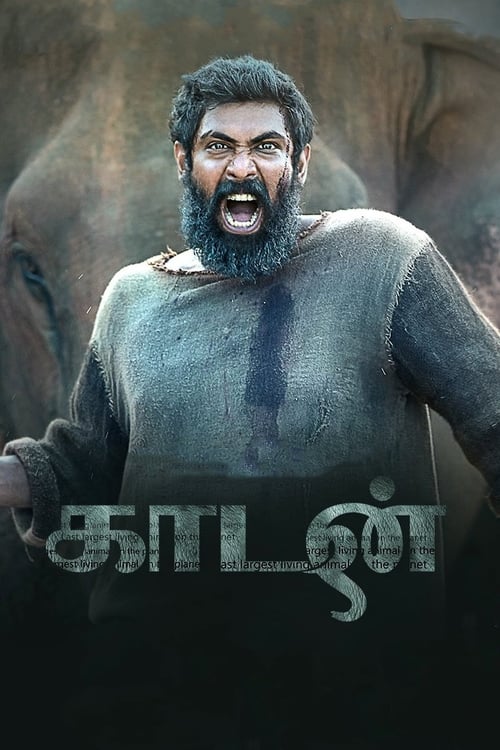

Collaboration Network
The Constellation
Top 2 most-paired collaborators. Bubble size and line thickness reflect how many films they share with Paras Arora.
Career Analytics
Genre Breakdown
Language Distribution
Films by Decade
Top Co-Actors
See all →Paras Arora has worked most frequently with Tiger Shroff (2 films), and Shraddha Kapoor (2 films).

Did You Know?
Paras Arora is best known for his portrayal of Chhatrapati Shivaji Bhosale in the historical TV series Veer Shivaji.
He made his film debut in the 2013 movie Rajjo, playing the character Chandu.
He appeared in the 2016 action film Force 2, starring John Abraham.
He had a role in the 2018 action film Baaghi 2, starring Tiger Shroff.
He appeared in the 2021 Tamil film Kaadan (titled Aranya in Hindi).
Legacy & Influence
Paras Arora, while primarily recognized for his work in Indian television, has made a notable entry into the cinematic landscape through supporting roles in major Hindi film productions. His career trajectory is defined by a pivotal breakthrough on television with his critically acclaimed portrayal of Chhatrapati Shivaji Bhosale in the historical series 'Veer Shivaji.' This role established him as a performer capable of embodying significant historical figures with gravity and respect, earning him recognition in a genre that demands both physical and emotional dedication. His transition to films has seen him appear in prominent action franchises like 'Force 2' and the 'Baaghi' series, as well as in diverse projects such as the ecological drama 'Kaadan.' Although these film roles have often been secondary, they represent a strategic expansion of his artistic portfolio beyond the television medium. His contribution lies in bridging the audience from historical television drama to mainstream cinema, demonstrating versatility. By choosing projects across different scales and genres, from big-budget action to regional storytelling, Arora has worked to build a filmography that showcases adaptability. His consistent presence in commercially visible projects, even in smaller parts, contributes to the broader ecosystem of Indian cinema by adding reliable performance talent to ensemble casts. His career path reflects a model for television actors seeking to establish a foothold in films through persistence and selective role choices, thereby influencing the fluid movement of talent between India's television and film industries.