T. K. Rajeev Kumar
T. K. Rajeev Kumar is an Indian director, best known for Tamil cinema. T. K. Rajeev Kumar began their career in 1994. With 30 credits to their name, T. K. Rajeev Kumar remains one of the most prolific and celebrated talents in the industry. Spanning 30+ years, T. K. Rajeev Kumar's career remains one of the longest and most celebrated in Tamil cinema.
Career Milestones
Film debut
View film →Highest rated: Raja Ko Rani Se Pyar Ho Gaya (4.7)
View film →T. K. Rajeev Kumar by the Numbers
If you watched every T. K. Rajeev Kumar film back-to-back, you'd be at it for roughly 11 hours. Most-paired with Sharreth — 3 films together.
Filmography
See all 30 credits →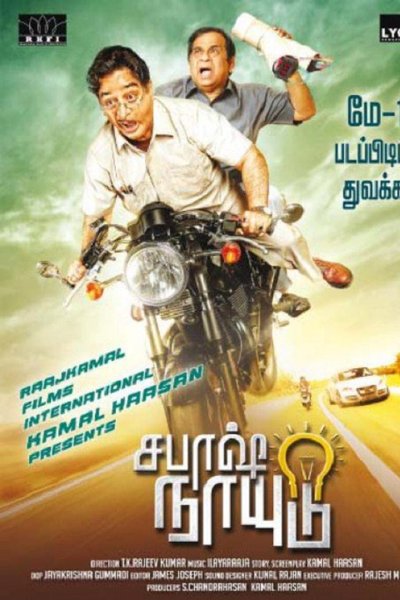
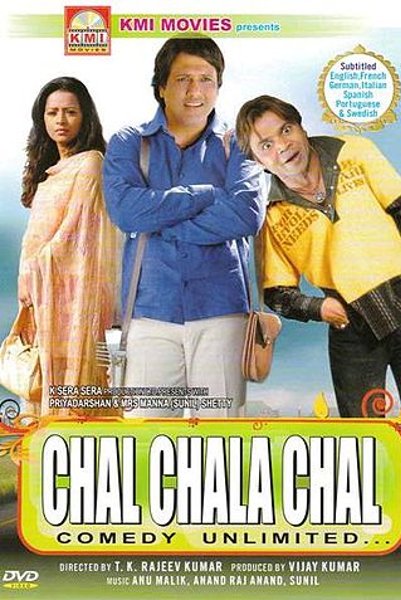
Collaboration Network
The Constellation
Top 6 most-paired collaborators. Bubble size and line thickness reflect how many films they share with T. K. Rajeev Kumar.
Career Analytics
Language Distribution
Films by Decade
Top Co-Actors
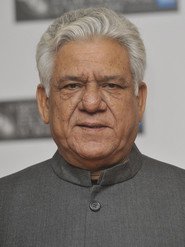
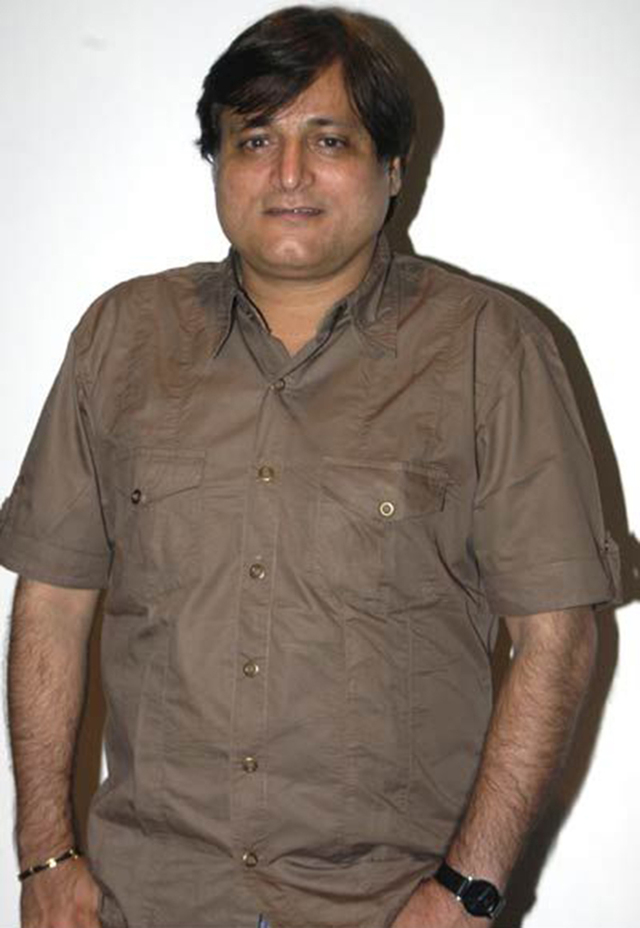
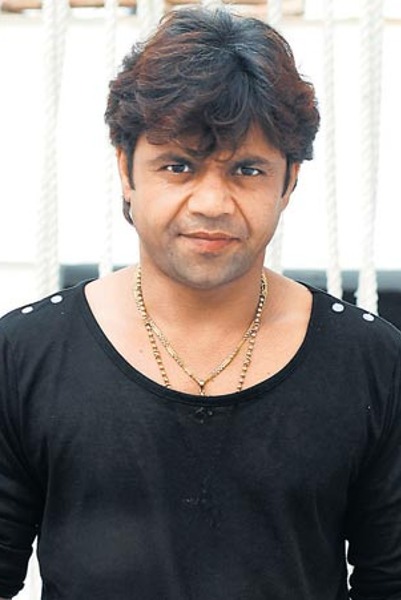
See all →T. K. Rajeev Kumar has worked most frequently with Om Puri (2 films), Asif Basra (2 films), Manoj Joshi (2 films), Rajpal Yadav (2 films), and Asrani (2 films).

Legacy & Influence
T. K. Rajeev Kumar is a significant figure in Malayalam cinema, primarily recognized as a film director, screenwriter, and editor. His career trajectory is marked by a distinct artistic sensibility and a commitment to character-driven narratives. He first gained major critical attention with his directorial debut, 'Pavam IA Ivachan' (1994), a poignant drama that established his skill in portraying nuanced human relationships and social milieus. His subsequent film, 'Kaliyattam' (1997), a modern adaptation of Shakespeare's 'Othello' set in the world of Theyyam, is widely considered a landmark. The film, starring Suresh Gopi and Manju Warrier, showcased his directorial prowess in blending intense drama with rich cultural texture and earned him the National Film Award for Best Feature Film in Malayalam. Throughout the late 1990s and 2000s, Rajeev Kumar continued to deliver critically acclaimed works like 'Chandranudikkunna Dikhil' (1999) and 'Pakal' (2007), often exploring complex psychological and emotional landscapes. His contribution extends beyond direction; his sharp editing, evident in films like 'Kaliyattam', has been praised for its rhythmic precision and narrative force. While not a prolific filmmaker, his filmography is noted for its consistency in quality and depth. His influence lies in his role within the parallel cinema movement in Malayalam, crafting films that are both artistically rigorous and emotionally resonant, thereby inspiring a generation of filmmakers to pursue personal, content-driven storytelling. He is regarded as a director's director, whose work is studied for its formal control and profound humanism.