Naved Aslam
Naved Aslam is an Indian actor, best known for Tamil cinema. Naved Aslam began their career in 2005. With 30 credits to their name and an average audience rating of 6.8, Naved Aslam remains one of the most prolific and celebrated talents in the industry. Spanning 20+ years, Naved Aslam's career remains one of the longest and most celebrated in Tamil cinema.
Career Milestones
Film debut
View film →Highest rated: Mardaani 3 (7.6)
View film →Naved Aslam by the Numbers
If you watched every Naved Aslam film back-to-back, you'd be at it for roughly 11 hours. Most-paired with Ajay Devgan — 2 films together.
Filmography
See all 30 credits →
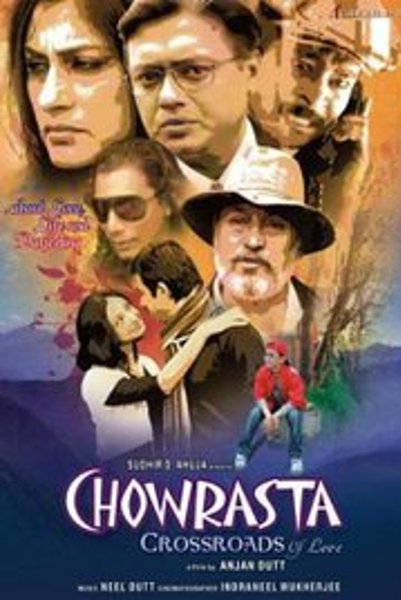
Collaboration Network
Career Analytics
Genre Breakdown
Language Distribution
Films by Decade
Top Co-Actors
See all →Naved Aslam has worked most frequently with Ajay Devgan (2 films).

Legacy & Influence
Naved Aslam is a respected figure in the Indian film industry, primarily known for his work as a casting director and actor, with a significant contribution to Hindi cinema. His career trajectory is marked by a pivotal shift from acting to becoming one of the most influential casting directors in Bollywood. As an actor, he appeared in notable films such as 'Sarfarosh' (1999) and 'Mission Kashmir' (2000), where his performances were recognized for their authenticity and depth. However, his most profound impact began when he transitioned behind the scenes. He founded the casting company 'Casting Bay' and later worked extensively with prominent directors like Vishal Bhardwaj and Anurag Kashyap. Aslam is credited with revolutionizing the casting process in India by introducing a more systematic, talent-focused approach, moving away from nepotism and star-driven selections. He played a crucial role in discovering and promoting fresh, unconventional talent, thereby enriching the narrative scope of Indian cinema. His work on films such as 'Ishqiya' (2010), 'Dedh Ishqiya' (2014), and 'Haider' (2014) is particularly noted for its impeccable ensemble casts that brought nuanced performances to the forefront. By championing character actors and ensuring that casting decisions served the story, Aslam contributed significantly to the rise of content-driven cinema in the 2000s and 2010s. His legacy lies in professionalizing the craft of casting in India, making it a recognized and essential part of filmmaking, and in fostering a generation of actors who might otherwise have been overlooked. His influence extends to shaping the aesthetic and credibility of contemporary Hindi films through meticulous talent curation.