Tarun Mansukhani
Tarun Mansukhani is an Indian director, best known for Tamil cinema. Tarun Mansukhani began their career in 2008. With 30 credits to their name, Tarun Mansukhani remains one of the most prolific and celebrated talents in the industry. Spanning 10+ years, Tarun Mansukhani's career remains one of the longest and most celebrated in Tamil cinema.
Career Milestones
Film debut
View film →Highest rated: Housefull 5 (5.5)
View film →Tarun Mansukhani by the Numbers
If you watched every Tarun Mansukhani film back-to-back, you'd be at it for roughly 9 hours. Most-paired with Priyanka Chopra — 2 films together.
Filmography
See all 30 credits →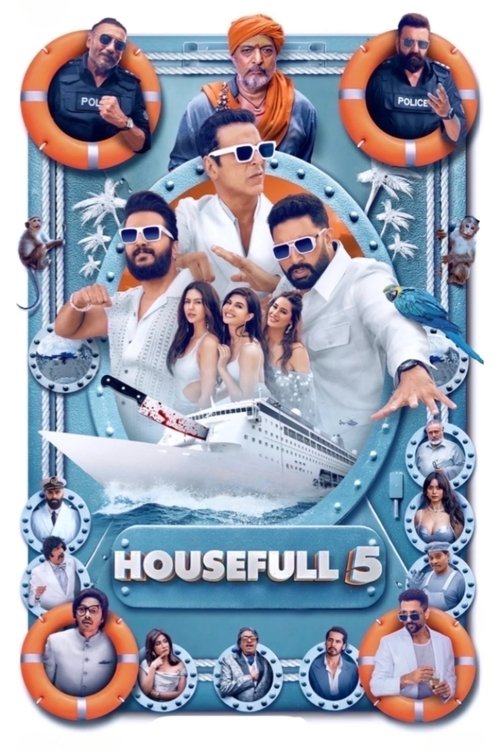


Collaboration Network
The Constellation
Top 7 most-paired collaborators. Bubble size and line thickness reflect how many films they share with Tarun Mansukhani.
Career Analytics
Genre Breakdown
Language Distribution
Films by Decade
Top Co-Actors
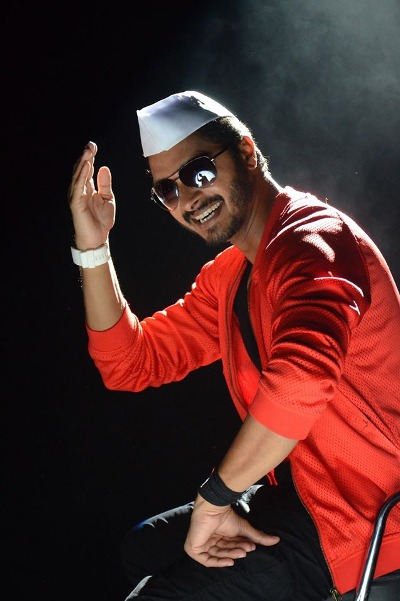
See all →Tarun Mansukhani has worked most frequently with Priyanka Chopra (2 films), Riteish Deshmukh (2 films), Jacqueline Fernandez (2 films), John Abraham (2 films), and Abhishek Bachchan (2 films).






Legacy & Influence
Tarun Mansukhani is a significant figure in contemporary Indian cinema, primarily recognized as a screenwriter and director who played a pivotal role in shaping the modern, urban ensemble comedy genre in Bollywood. His career trajectory is marked by high-profile collaborations, most notably with filmmaker Karan Johar's Dharma Productions. Mansukhani first gained major industry attention as the screenwriter for the 2005 blockbuster 'Dostana', directed by Johar. The film was a landmark for its bold, humorous, and mainstream portrayal of a gay-themed premise, pushing boundaries in commercial Hindi cinema and sparking widespread conversation. His directorial debut came with the 2008 film 'Dostana', which he also wrote. This film solidified his reputation for crafting glossy, high-energy narratives with sharp, contemporary dialogue and a distinct visual style. 'Dostana' was a major commercial success and is credited with popularizing the buddy-comedy format with a twist, influencing a wave of films that adopted a more cosmopolitan, globally-aware aesthetic and tone. His work is characterized by its focus on friendship, aspirational lifestyles, and progressive social themes wrapped in accessible entertainment. While his filmography is selective, the cultural impact of 'Dostana' remains substantial. It demonstrated the commercial viability of films with LGBTQ+ adjacent narratives in mainstream Bollywood, albeit within a comedic framework, thereby opening doors for more nuanced discussions and representations in later years. Mansukhani's contribution lies in his ability to package progressive ideas within the familiar tropes of commercial masala cinema, making them palatable to a wide audience and influencing the narrative style of numerous urban-centric films that followed in the late 2000s and 2010s.