Kamaal Rashid Khan
Kamaal Rashid Khan is an Indian actor, best known for Tamil cinema. Kamaal Rashid Khan began their career in 1993. With 30 credits to their name and an average audience rating of 6.6, Kamaal Rashid Khan remains one of the most prolific and celebrated talents in the industry. Spanning 30+ years, Kamaal Rashid Khan's career remains one of the longest and most celebrated in Tamil cinema.
Career Milestones
Film debut
View film →Highest rated: Khalnayak (6.9)
View film →Kamaal Rashid Khan by the Numbers
If you watched every Kamaal Rashid Khan film back-to-back, you'd be at it for roughly 7 hours.
Filmography
See all 30 credits →
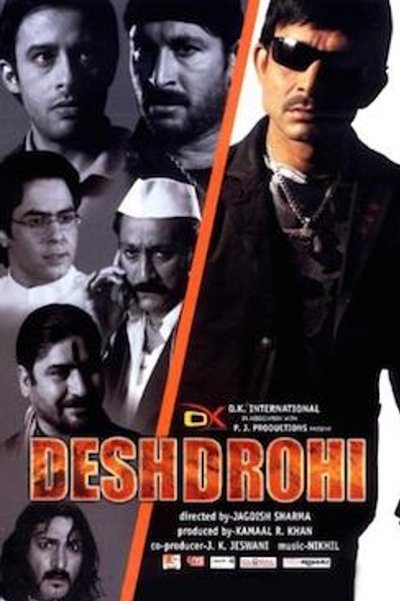
Career Analytics
Language Distribution
Films by Decade
Legacy & Influence
Kamaal Rashid Khan, often known by his initials KRK, has carved a distinct and controversial niche in the Indian film ecosystem, primarily as a self-styled critic and commentator rather than through a conventional acting career. His contribution is not rooted in cinematic artistry or box-office success but in the seismic shift he brought to film discourse through digital and social media. Emerging in the public eye with minor roles and production ventures, his trajectory pivoted dramatically with the rise of platforms like Twitter and YouTube. Here, KRK cultivated a persona built on provocative, often abrasive reviews of Bollywood films, leveraging shock value and direct language to amass a massive following. This established him as a polarizing but influential voice, demonstrating the newfound power of independent online critics to challenge traditional media and studio-driven narratives. His presence underscored the democratization of film criticism in the digital age, where audience reach could rival that of established institutions. However, his legacy is deeply intertwined with controversy, including legal battles and allegations of defamatory content, which highlight the volatile intersection of free speech, reputation, and media ethics in modern India. While not a contributor in a traditional creative sense, KRK's impact lies in his role as a catalyst for conversations about the boundaries of film criticism, the influence of social media personalities on public perception, and the changing dynamics between the film industry and its audience. His career serves as a case study in how digital platforms can create alternative centers of influence, for better or worse, outside the mainstream gates of Indian cinema.