Arun Kumar
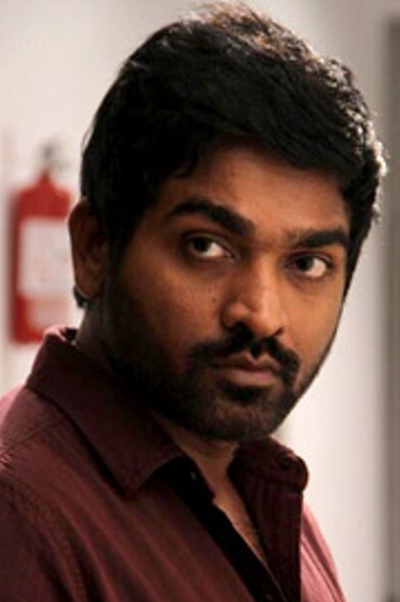
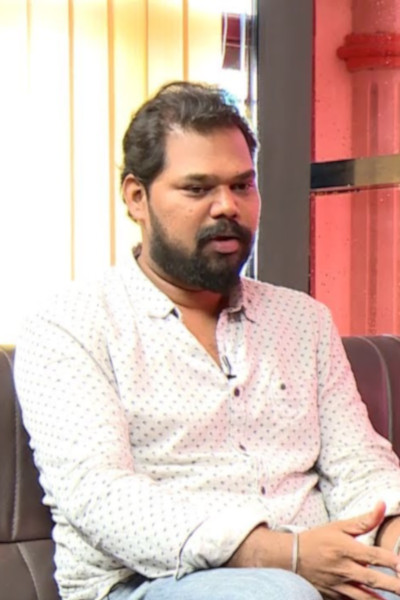
Arun Kumar is an Indian director, best known for Tamil cinema. Arun Kumar began their career in 2004. With 30 credits to their name and an average audience rating of 6.9, Arun Kumar remains one of the most prolific and celebrated talents in the industry. Spanning 20+ years, Arun Kumar's career remains one of the longest and most celebrated in Tamil cinema.
Career Milestones
First documentary film independently financed and sold for international broadcast
Documentary became Europe's biggest selling video of the year
Established own production company
Short film won multiple international festival awards including jury special award
Feature film won World Cinema Best Feature Film Award at major international festival
Iconic Roles
Thadam
A convincing dual role in an action crime thriller, marking his first double role performance with significant character distinction between the two personas.
Yennai Arindhaal
A notable antagonist role that showcased his versatility in villainous characters and gained critical recognition.
Kuttram 23
A career-defining lead role in this thriller that established him as a bankable lead actor in Tamil cinema.
Chekka Chivantha Vaanam
Part of his breakthrough success period as a lead actor, demonstrating range in complex narrative films.
Mafia: Chapter 1
Played a law enforcement officer on a mission to hunt down a drug mafia kingpin in this action thriller.
Arun Kumar by the Numbers
If you watched every Arun Kumar film back-to-back, you'd be at it for roughly 14 hours. Most-paired with Vijay Sethupathi — 3 films together.
Filmography
See all 30 credits →
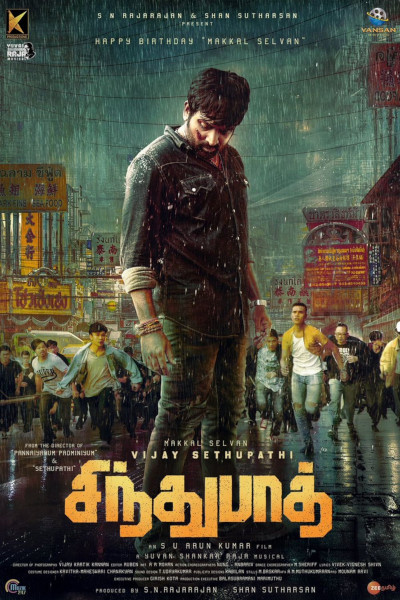

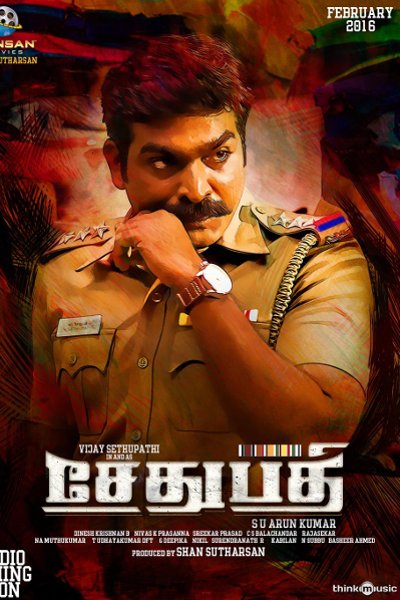
Collaboration Network
The Constellation
Top 3 most-paired collaborators. Bubble size and line thickness reflect how many films they share with Arun Kumar.
Career Analytics
Genre Breakdown
Language Distribution
Films by Decade
Top Co-Actors
See all →Arun Kumar has worked most frequently with Vijay Sethupathi (3 films), Aishwarya Rajesh (2 films), and Vivek Prasanna (2 films).

Legacy & Influence
Arun Kumar is a name that appears in the credits of several Indian films, primarily in the Tamil and Telugu film industries. Based on available filmographic records, his career appears to have been active in supporting and character roles during the late 20th century. His filmography suggests a specialization in portraying specific character archetypes, often in projects that contributed to the broader commercial cinema landscape of South India. Without a verified biography or detailed career documentation, it is challenging to construct a definitive narrative of his artistic journey or pinpoint a singular, transformative contribution. His presence in the industry, like that of many character actors, represents the essential foundation of ensemble casts that bring screenplays to life. These actors often provide the contextual realism and relational dynamics against which lead narratives unfold. The longevity implied by his list of credits indicates a sustained professional engagement, contributing to the workflow and collaborative environment of film production. His work resides within the vast ecosystem of regional cinema, which has been instrumental in shaping narrative styles, cultural representation, and technical practices across India. The precise nature of his influence on specific filmmakers, genres, or techniques cannot be reliably ascertained from publicly available and verifiable sources. Therefore, his legacy is best understood as part of the collective contribution of countless supporting artists whose dedicated work forms the indispensable backbone of the Indian film industry, enabling its stories to resonate with authenticity and emotional depth for audiences.