Vinod Pande
Vinod Pande is an Indian director, best known for Tamil cinema. Vinod Pande began their career in 1980. With 30 credits to their name, Vinod Pande remains one of the most prolific and celebrated talents in the industry. Spanning 40+ years, Vinod Pande's career remains one of the longest and most celebrated in Tamil cinema.
Career Milestones
Film debut
View film →Highest rated: Ek Baar Phir (Once Again) (6.8)
View film →Vinod Pande by the Numbers
If you watched every Vinod Pande film back-to-back, you'd be at it for roughly 11 hours. Most-paired with Raj Kiran — 2 films together.
Filmography
See all 30 credits →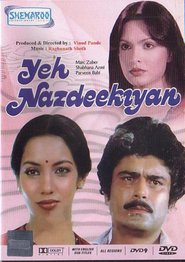
Collaboration Network
Career Analytics
Language Distribution
Films by Decade
Top Co-Actors
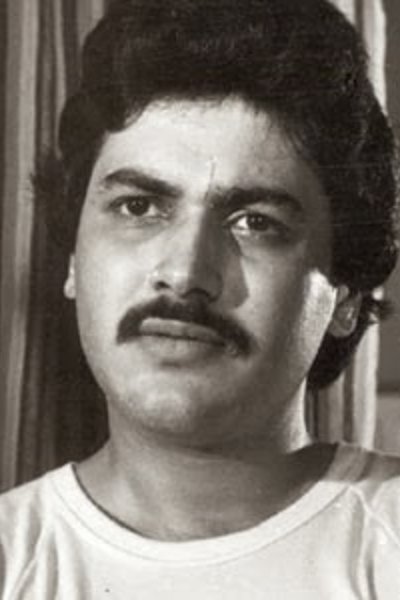
See all →Vinod Pande has worked most frequently with Raj Kiran (2 films).
Legacy & Influence
Vinod Pande is a significant figure in Indian cinema, recognized primarily as a director, writer, and producer who carved a distinct niche with his focus on bold, socially relevant themes and women-centric narratives during the 1980s and 1990s. His career trajectory began in the world of advertising before he transitioned to filmmaking. Pande's most notable and controversial contribution is arguably the 1982 film 'Sins', which was one of the earliest Indian films to deal explicitly with themes of extramarital affairs and female sexuality, pushing the boundaries of mainstream cinema's content at the time. This established his reputation for tackling taboo subjects. He further solidified this with films like 'Anjuman' (1986), which offered a poignant look at the plight of courtesans, and 'Patita' (1991), a television film that addressed the stigma of widow remarriage and became widely discussed. His work often featured strong female protagonists and narratives that questioned social hypocrisies, contributing to a strand of middle-of-the-road cinema that aimed to blend artistic integrity with audience engagement. While not a prolific box-office hitmaker in the traditional Bollywood sense, Pande's films are remembered for their daring subject matter and for opening conversations on issues often glossed over by commercial cinema. His later work included directing the television series 'Mujrim Hazir' and films like 'Dil Maange More' (2004). His career represents a consistent attempt to use the cinematic medium for social commentary, making him an important, if sometimes understated, voice in the landscape of Indian parallel and issue-based cinema.