Khalid Mohammed
Khalid Mohammed is an Indian director, best known for Tamil cinema. Khalid Mohammed began their career in 1996. With 30 credits to their name, Khalid Mohammed remains one of the most prolific and celebrated talents in the industry. Spanning 30+ years, Khalid Mohammed's career remains one of the longest and most celebrated in Tamil cinema.
Career Milestones
Film debut
View film →Highest rated: Sardari Begum (7.5)
View film →Khalid Mohammed by the Numbers
If you watched every Khalid Mohammed film back-to-back, you'd be at it for roughly 14 hours. Most-paired with Shabana Azmi — 2 films together.
Filmography
See all 30 credits →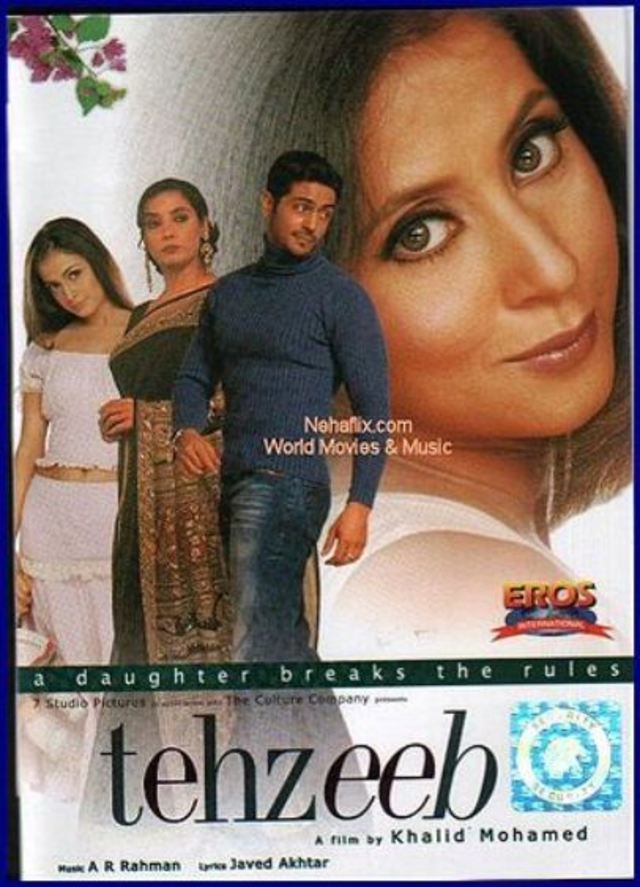
Collaboration Network
Career Analytics
Genre Breakdown
Language Distribution
Films by Decade
Top Co-Actors
See all →Khalid Mohammed has worked most frequently with Shabana Azmi (2 films).

Legacy & Influence
Khalid Mohammed is a prominent figure in Indian cinema, primarily known for his multifaceted career as a film critic, screenwriter, and director. His most significant contribution lies in his decades-long tenure as a film critic for major publications like The Times of India and Mid-Day, where his sharp, often acerbic, and highly opinionated reviews shaped film discourse for a generation of readers. He was known for his uncompromising standards and witty prose, holding mainstream and art cinema to rigorous scrutiny. This established him as a powerful voice whose critiques could influence public perception and box office outcomes. Transitioning from criticism to filmmaking, Mohammed wrote the screenplay for the acclaimed period drama "Fiza" (2000), exploring socio-political themes. He made his directorial debut with "Fiza" as well, demonstrating his ambition to translate critical insight into creative practice. His subsequent directorial venture, "Silsiilay" (2005), was an anthology film that further showcased his narrative interests. While his directorial output was limited, his move behind the camera was a notable evolution in his career. His later work as the editor of Filmfare magazine and his continued columns maintained his presence as a key commentator. Mohammed's primary legacy is that of a formidable critic who, through his writing, played a crucial role in mediating between the Indian film industry and its audience, setting a benchmark for film journalism that was both literary and influential. His career trajectory from critic to creator reflects a deep, engaged relationship with the mechanics and art of cinema.