Dilip Shukla
Dilip Shukla is an Indian story, best known for Tamil cinema. Dilip Shukla began their career in 2000. With 30 credits to their name, Dilip Shukla remains one of the most prolific and celebrated talents in the industry. Spanning 20+ years, Dilip Shukla's career remains one of the longest and most celebrated in Tamil cinema.
Career Milestones
Film debut
View film →Highest rated: Dabangg (6.1)
View film →Dilip Shukla by the Numbers
If you watched every Dilip Shukla film back-to-back, you'd be at it for roughly 11 hours.
Filmography
See all 30 credits →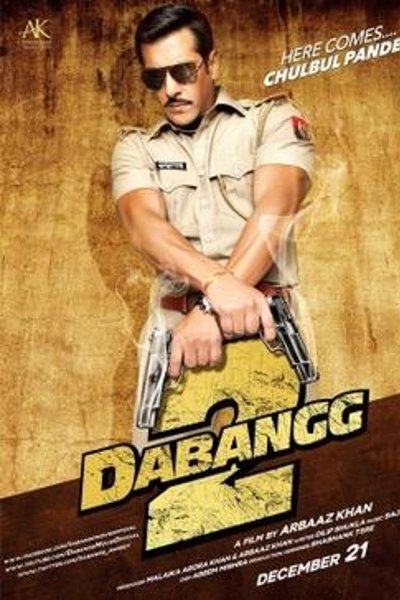
Career Analytics
Language Distribution
Films by Decade
Legacy & Influence
Dilip Shukla is recognized as a significant figure in Indian cinema, primarily for his work as a lyricist and screenwriter, particularly in the Hindi film industry during the 1980s and 1990s. His career trajectory is marked by a notable shift from writing dialogues and screenplays to establishing himself as a lyricist for major action and dramatic films. Shukla's most prominent and enduring contribution came through his long-standing collaboration with actor and filmmaker Dharmendra and his family's production banner, Vijeta Films. He became a key creative voice for Dharmendra and his sons, Sunny Deol and Bobby Deol, writing dialogues and lyrics for many of their pivotal films. His writing often embodied the raw, intense, and emotionally charged dialogue that defined the 'angry young man' and action-hero personas of the era, especially for Sunny Deol. Shukla's lyrics, while not as prolific as some of his contemporaries, captured the essence of the rugged, patriotic, and often violent narratives of these films. Songs like "Jeevan Ke Din" from "Ghayal" and "Dhai Kilo Ka Haath" from "Damini" are remembered for their forceful delivery and alignment with the films' themes. His screenwriting for films such as "Ghayal," "Damini," and "Ghatak" contributed to narratives that blended social issues with mainstream action, leaving a mark on the genre. While his public profile remained largely behind the scenes, his work is integral to understanding the dialogue and lyrical style of a specific, influential strand of Hindi cinema in the late 80s and 90s, cementing his legacy as a writer closely associated with the Deol family's cinematic identity.