Esmayeel Shroff
Esmayeel Shroff is an Indian director, best known for Tamil cinema. Esmayeel Shroff began their career in 1980. With 30 credits to their name, Esmayeel Shroff remains one of the most prolific and celebrated talents in the industry. Spanning 40+ years, Esmayeel Shroff's career remains one of the longest and most celebrated in Tamil cinema.
Career Milestones
Film debut
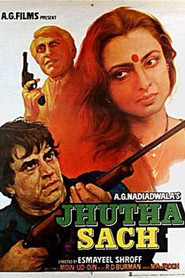
View film →Highest rated: Jhutha Sach (6.5)
View film →Esmayeel Shroff by the Numbers
If you watched every Esmayeel Shroff film back-to-back, you'd be at it for roughly 1 day and 1h. Most-paired with Salman Khan — 2 films together.
Filmography
See all 30 credits →
Collaboration Network
The Constellation
Top 2 most-paired collaborators. Bubble size and line thickness reflect how many films they share with Esmayeel Shroff.
Career Analytics
Language Distribution
Films by Decade
Top Co-Actors
See all →Esmayeel Shroff has worked most frequently with Salman Khan (2 films), and Asrani (2 films).


Legacy & Influence
Esmayeel Shroff is a notable figure in Indian cinema, primarily recognized as a film director and producer whose career spans several decades from the 1970s onwards. Operating within the mainstream Hindi film industry, Shroff carved a niche by often working within the action and thriller genres during a vibrant period of commercial cinema. His filmography, while not always garnering major critical acclaim, contributed to the era's popular entertainment landscape, delivering projects that resonated with contemporary audience tastes for drama and spectacle. A significant aspect of his legacy is his role in launching and providing early opportunities to actors and technicians who later achieved prominence. His production work demonstrated a consistent engagement with the industry's commercial mechanisms. While not a pioneer of new cinematic movements, Shroff's steady output as a director and producer represents the work of a reliable industry professional who successfully navigated the demands of Bollywood's studio and star system for many years. His career trajectory reflects the broader patterns of filmmakers who sustained long-term involvement by adapting to shifting genre trends and audience expectations, thereby contributing to the volume and variety of Hindi cinema's output during the late 20th century.