Khalid Mohammad
Khalid Mohammad is an Indian director, best known for Tamil cinema. Khalid Mohammad began their career in 2003. With 30 credits to their name and an average audience rating of 6.5, Khalid Mohammad remains one of the most prolific and celebrated talents in the industry. An emerging voice in Tamil cinema, Khalid Mohammad is already attracting significant attention for their distinctive work.
Career Milestones
Film debut
View film →Highest rated: Tehzeeb (6.5)
View film →Defining Moments
Tenure as Filmfare Editor
Served as the editor of the prestigious Filmfare magazine, shaping film criticism in India.
Screenwriting for Shyam Benegal
Wrote the screenplay for Shyam Benegal's critically acclaimed film 'Sardari Begum'.
Directorial Debut
Directed his first feature film 'Fiza', starring Karisma Kapoor and Hrithik Roshan.
Khalid Mohammad by the Numbers
If you watched every Khalid Mohammad film back-to-back, you'd be at it for roughly 2 hours.
Filmography
See all 30 credits →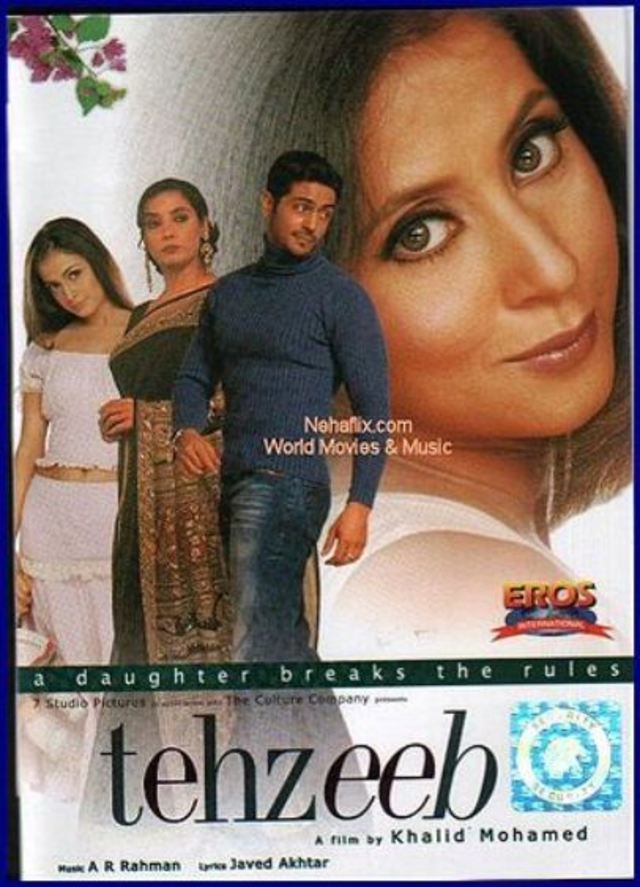
Career Analytics
Language Distribution
Films by Decade
Did You Know?
Khalid Mohamed is a prominent Indian film critic, screenwriter, and director.
He served as the editor of Filmfare magazine for many years.
He is the son of the acclaimed actress and singer Zohra Sehgal.
He made his directorial debut with the film 'Fiza' in 2000.
He wrote the screenplay for the film 'Sardari Begum', directed by Shyam Benegal.
Legacy & Influence
Khalid Mohammad is a significant figure in Indian cinema, primarily known for his multifaceted career as a film critic, screenwriter, and director. His most prominent and enduring contribution stems from his decades-long tenure as a chief film critic for major publications like The Times of India and Hindustan Times. Through his incisive, knowledgeable, and often candid reviews, he shaped film discourse for a generation of moviegoers and held a respected, influential voice in the industry. His criticism was known for its literary quality and deep understanding of cinematic craft, making him a pivotal figure in Indian film journalism. His work as a screenwriter is notable for his collaborations with director Vidhu Vinod Chopra, most famously co-writing the critically acclaimed and influential film 'Parinda' (1989), a landmark in Indian cinema that helped redefine the gangster genre with its gritty realism and narrative intensity. He also wrote the screenplay for '1942: A Love Story' (1994). As a director, his filmography includes 'Fiza' (2000), which addressed the aftermath of the Bombay riots and explored themes of identity and loss, and 'Silsiilay' (2005). While his directorial ventures met with varied critical and commercial reception, they were often noted for attempting to tackle substantive, sometimes challenging, subjects. His career trajectory—from powerful critic to active filmmaker—provides a unique perspective on the Indian film industry, embodying the transition from observer to creator. His legacy lies in this dual role: as a sharp, formative critic who analyzed the art form and as a practitioner who attempted to contribute to its evolution, particularly through his writing on seminal films.