Arjun Sajnani
Arjun Sajnani is an Indian director, best known for Tamil cinema. Arjun Sajnani began their career in 2002. With 30 credits to their name, Arjun Sajnani remains one of the most prolific and celebrated talents in the industry. An emerging voice in Tamil cinema, Arjun Sajnani is already attracting significant attention for their distinctive work.
Career Milestones
Film debut
View film →Highest rated: Agni Varsha (5.5)
View film →Arjun Sajnani by the Numbers
If you watched every Arjun Sajnani film back-to-back, you'd be at it for roughly 2 hours. Most-paired with Akkineni Nagarjuna — 2 films together.
Filmography
See all 30 credits →Collaboration Network
Career Analytics
Language Distribution
Films by Decade
Top Co-Actors
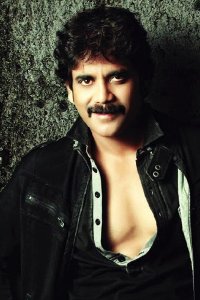
See all →Arjun Sajnani has worked most frequently with Akkineni Nagarjuna (2 films).
Legacy & Influence
Arjun Sajnani is a significant figure in Indian theatre and cinema, primarily known as a pioneering theatre director, playwright, and later, a filmmaker. His career trajectory began in the vibrant theatre scene of Bangalore (now Bengaluru), where he co-founded the theatre group 'Theatre Group' and later 'Theatre Union,' playing a crucial role in shaping English-language and experimental theatre in India during the 1970s and 1980s. His theatrical work, including notable productions like 'Dance Like a Man,' was known for its psychological depth, exploration of complex human relationships, and challenging societal norms, particularly within urban Indian contexts. Sajnani's transition to cinema came with his directorial debut, the 2002 film adaptation of his own play, 'Dance Like a Man,' starring Shobana and Arif Zakaria. The film was critically acclaimed for its faithful and nuanced portrayal of the stage original, bringing a sophisticated, theatre-influenced narrative style to Indian cinema. It tackled themes of artistic ambition, generational conflict, and gender expectations within classical dance, a subject rarely explored with such intensity in mainstream Indian film. His contribution lies in bridging high-quality theatre and film, demonstrating that plays with strong literary and character-driven narratives could find a successful cinematic language. He expanded the scope of Indian parallel cinema by proving that stories focused on the interior lives of artists and the urban elite could resonate with audiences. While his filmography is selective, his work established a benchmark for adaptations and contributed to the diversity of stories being told in Indian cinema at the turn of the century. His legacy is that of a meticulous artist who prioritized substance and performance, influencing a generation of theatre practitioners and filmmakers interested in character-centric, dialogue-driven drama.