Talat Jani
Talat Jani is an Indian director, best known for Tamil cinema. Talat Jani began their career in 1991. With 30 credits to their name, Talat Jani remains one of the most prolific and celebrated talents in the industry. Talat Jani is one of the most closely watched talents of their generation, with a rapidly growing body of acclaimed work.
Career Milestones
Film debut
View film →Highest rated: Rang (6.5)
View film →Talat Jani by the Numbers
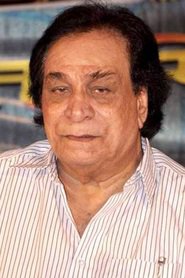
If you watched every Talat Jani film back-to-back, you'd be at it for roughly 16 hours. Most-paired with Kader Khan — 4 films together.
Filmography
See all 30 credits →Collaboration Network
The Constellation
Top 4 most-paired collaborators. Bubble size and line thickness reflect how many films they share with Talat Jani.
Career Analytics
Language Distribution
Films by Decade
Top Co-Actors
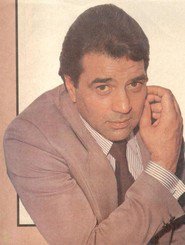
See all →Talat Jani has worked most frequently with Kader Khan (4 films), Dharmendra (3 films), Kareena Kapoor (2 films), and Vikas Bhalla (2 films).


Legacy & Influence
Talat Jani was a significant figure in Indian cinema as a screenwriter and dialogue writer, primarily active during the 1970s and 1980s. His career trajectory is marked by notable collaborations with prominent filmmakers and actors, contributing to the narrative fabric of mainstream Hindi cinema during its vibrant commercial era. Jani's most recognized contribution came through his work with director-producer Manmohan Desai, a partnership that yielded several successful films central to the 'masala' film genre. He is best known for writing the screenplay and dialogues for the 1977 blockbuster 'Amar Akbar Anthony', a film celebrated for its thematic blend of lost-and-found family melodrama, comedy, action, and music. His writing for this film, particularly the iconic dialogues delivered by actors like Amitabh Bachchan, helped define the film's energetic tone and contributed to its enduring cult status. Jani also collaborated with Desai on other major productions including 'Suhaag' (1979) and 'Naseeb' (1981), further cementing his role in crafting the high-octane, emotionally charged narratives that characterized much of that period's popular cinema. His ability to weave complex, interlocking storylines with memorable one-liners made him a valuable asset in the creation of these large-scale entertainers. While his filmography is not extensive, the cultural impact of the films he worked on, especially 'Amar Akbar Anthony', secures his place in the history of Indian screenwriting. His work represents a specific style of narrative construction that prioritized dramatic coincidence, spectacle, and dialogue-driven character moments, influencing the template for commercial Hindi cinema for years to come.