Ambrish Sangal
Ambrish Sangal is an Indian director, best known for Tamil cinema. Ambrish Sangal began their career in 1979. With 30 credits to their name, Ambrish Sangal remains one of the most prolific and celebrated talents in the industry. Spanning 40+ years, Ambrish Sangal's career remains one of the longest and most celebrated in Tamil cinema.
Career Milestones
Film debut
View film →Highest rated: Aatish (6.5)
View film →Ambrish Sangal by the Numbers
If you watched every Ambrish Sangal film back-to-back, you'd be at it for roughly 1 day and 1h. Most-paired with Ranjeeta Kaur — 3 films together.
Filmography
See all 30 credits →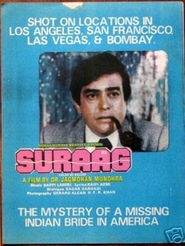
Collaboration Network
The Constellation
Top 10 most-paired collaborators. Bubble size and line thickness reflect how many films they share with Ambrish Sangal.
Career Analytics
Language Distribution
Films by Decade
Top Co-Actors
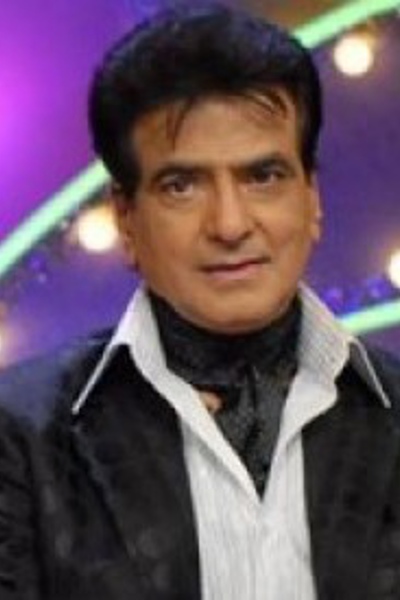
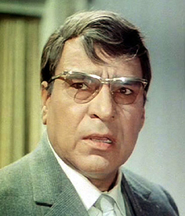
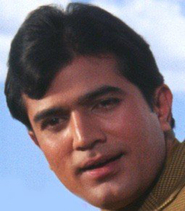
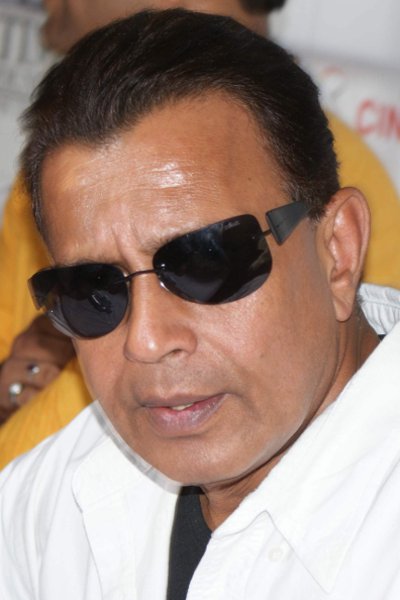
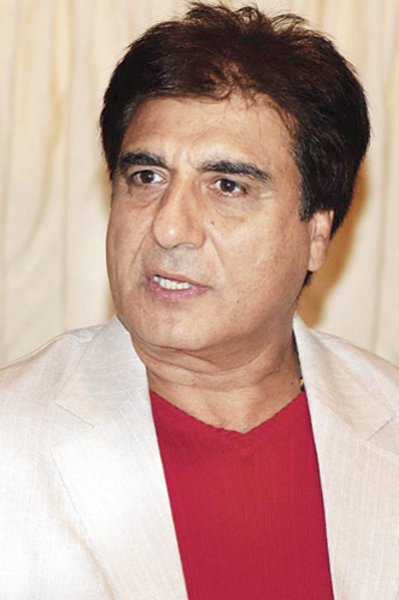
See all →Ambrish Sangal has worked most frequently with Ranjeeta Kaur (3 films), Jeetendra (3 films), Madan Puri (3 films), Rajesh Khanna (2 films), and Mithun Chakraborty (2 films).

Legacy & Influence
Ambrish Sangal is a respected character actor in Indian cinema, primarily known for his work in Hindi films and television during the 1980s and 1990s. His career trajectory is defined by a consistent presence in supporting roles, often portraying authoritative figures, stern fathers, or antagonistic characters with a commanding screen presence. While not a leading star, Sangal's contribution lies in his ability to lend credibility and gravitas to the narratives of numerous films, becoming a recognizable face that enhanced the depth of the ensemble casts he was part of. He is perhaps most widely recognized for his role as Thakral in the iconic television series 'Mahabharat' (1988-1990), where his portrayal of Duryodhana's father-in-law added a significant layer to the epic's complex web of characters. This role cemented his place in the cultural memory of a generation of Indian television viewers. In cinema, he appeared in notable films such as 'Aaj Ka Arjun' (1990) and 'Dilwale Dulhania Le Jayenge' (1995), where his performances, though not central, contributed to the films' dramatic texture. His filmography, while not extensively documented in terms of critical acclaim, reflects the work of a reliable performer who fulfilled a specific niche in the industry's ecosystem. His legacy is that of a dependable character artist whose professional dedication supported the broader framework of popular Indian cinema and television during a key period, leaving an imprint through memorable secondary roles rather than headline-grabbing performances.