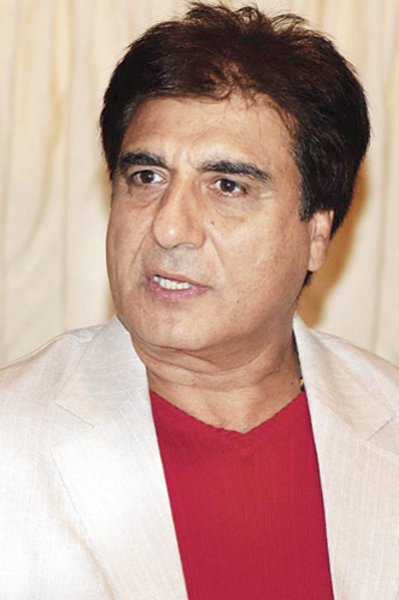
Raj Babbar
Raj Babbar is an Indian actor, best known for Tamil cinema. Raj Babbar began their career in 1983 and has been a prominent figure in the industry for over 43 years. With over 150 credits to their name, Raj Babbar remains one of the most prolific and celebrated talents in the industry. Raj Babbar's influence on Tamil cinema is generational — their work continues to define the standard for the industry.
- Born
- Age
- 74
Biography
Raj Babbar is a veteran Hindi cinema actor born in Agra, Uttar Pradesh, trained at the National School of Drama (1975), known primarily for his roles in mainstream Bollywood films and Hindi theatre. He gained prominence with B.R. Chopra's Insaaf Ka Tarazu (1980) and went on to appear in over 150 films including Umrao Jaan (1981), Gardish (1993), Yaraana (1995), Maharaja (1998), and Khiladi 786 (2012). He is equally known for his stage work, having performed in over 30 theatrical plays, and was married to actress Smita Patil, with whom he has a son, actor Prateek Babbar. Beyond cinema, Babbar served as a Member of Parliament three times and was the Uttar Pradesh Congress Committee state president.
Career Milestones
Film debut in Bollywood
Breakthrough role and critical acclaim
Major hit establishing star status
Career resurgence with action roles
View film →Supporting role in major commercial hit
View film →Iconic Roles
Insaaf Ka Tarazu
A bold, career-defining role as a manipulative rapist that established Raj Babbar in Bollywood and sparked nationwide controversy, proving his willingness to take on complex, morally dark characters.
Nikaah
A soft-hearted poet in B.R. Chopra's blockbuster opposite Salma Agha; though a supporting role, his sincere and almost innocent portrayal stole the show.
Umrao Jaan
A critically acclaimed performance as a dacoit in Muzaffar Ali's landmark film, showcasing his range and earning him serious recognition as a character actor.
Khiladi 786
A prominent supporting role in this Akshay Kumar action-comedy, one of his well-known later-career appearances confirmed across multiple sources.
Ghayal
His negative role in this massive Sunny Deol blockbuster further cemented his reputation as a versatile actor capable of commanding antagonist parts.
Defining Moments
Role as the wealthy, manipulative rapist who escapes justice — a deeply unsettling villain performance that shocked audiences and became one of Bollywood's most discussed portrayals of gender violence
This B.R. Chopra film was Raj Babbar's true breakthrough. His cold, entitled antagonist role opposite Zeenat Aman defined him as a serious dramatic actor and the film ran for multiple re-runs through the 80s and 90s, cementing his reputation for playing morally complex characters.
Supporting role in the Muzaffar Ali classic that brought together an ensemble of India's finest actors around Rekha's iconic performance as the courtesan Umrao
Being cast in this landmark art-house production alongside Rekha, Farooq Shaikh, and Naseeruddin Shah cemented Raj Babbar's credibility as a serious actor respected by the parallel cinema movement as well as mainstream Bollywood.
Performance as the male lead in a controversial polygamy-themed drama, navigating the emotional conflict between two marriages
One of B.R. Chopra's most talked-about social dramas. Raj Babbar's nuanced portrayal in a sensitive subject earned him critical acclaim and established him as a first-choice actor for Chopra's socially relevant projects.
Intense dramatic performance in this gritty action drama featuring Jackie Shroff, where Raj Babbar played a morally ambiguous supporting character amid Mumbai underworld themes
One of the critically praised Hindi films of 1993, Gardish is frequently cited as a high point of 90s Bollywood drama. Raj Babbar's presence in the ensemble added gravitas to a film remembered fondly by fans of that era.
View film →Playing Sattar Singh, a larger-than-life antagonist with comedic menace, holding his own alongside Akshay Kumar in a high-energy masala entertainer
Marked a late-career resurgence for Raj Babbar in mainstream commercial cinema, demonstrating his range and willingness to play broad, entertaining villain roles — widely noted by fans as a memorable screen presence in the film.
View film →Raj Babbar by the Numbers
If you watched every Raj Babbar film back-to-back, you'd be at it for roughly 13 days and 5h. Most-paired with Shakti Kapoor — 8 films together.
Filmography
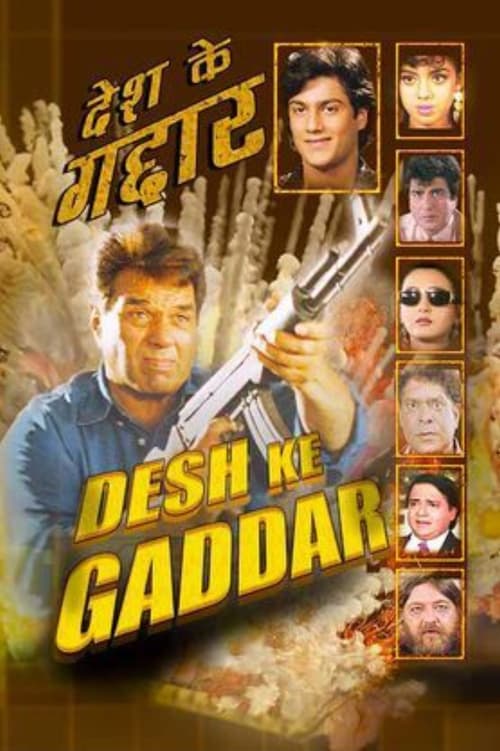
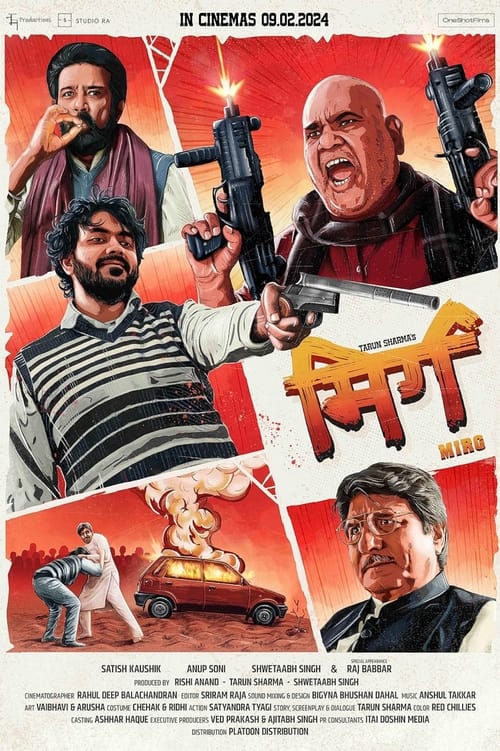
See all 150 credits →


Collaboration Network
The Constellation
Top 10 most-paired collaborators. Bubble size and line thickness reflect how many films they share with Raj Babbar.
Career Analytics
Genre Breakdown
Language Distribution
Films by Decade
Top Co-Actors
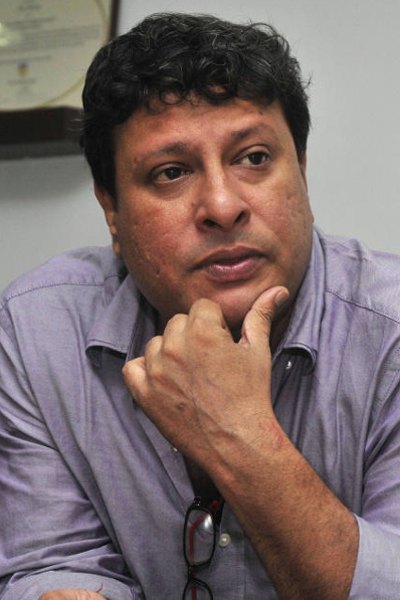
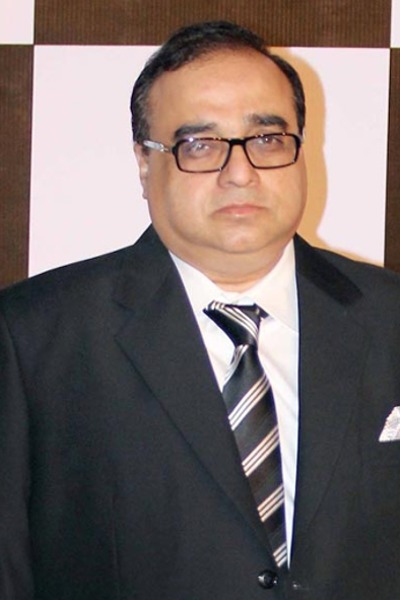
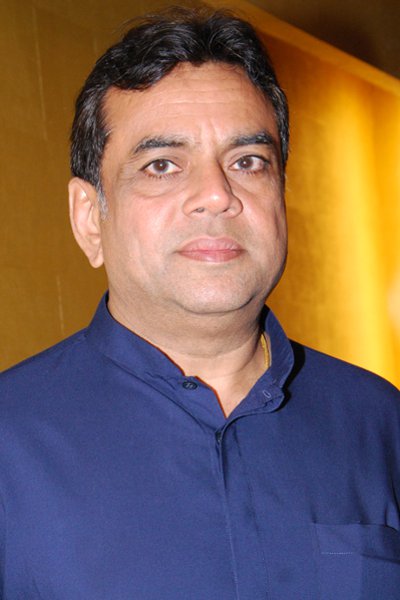
See all →Raj Babbar has worked most frequently with David Dhawan (3 films), Tigmanshu Dhulia (2 films), Rajkumar Santoshi (2 films), Lawrence D'Souza (2 films), and Rajkumar Kohli (2 films).


Did You Know?
Raj Babbar began his acting career in parallel cinema with films like 'Kalyug' (1981) directed by Shyam Benegal.
He entered politics with the Janata Dal in the 1990s and later joined the Indian National Congress.
Raj Babbar served as a Member of Parliament in the Lok Sabha from Agra and later from Firozabad.
He was the President of the Uttar Pradesh Congress Committee from 2016 to 2019.
He is married to actress Nadira Babbar and is the father of actors Arya Babbar and Juhi Babbar.
Legacy & Influence
Raj Babbar entered Hindi cinema in the late 1970s, a period marked by intense social and political narratives. He quickly established himself as a versatile actor capable of portraying complex, often morally conflicted characters. His early work in parallel cinema, notably in Shyam Benegal's 'Kalyug' (1981), showcased his ability to handle nuanced roles in films that critiqued contemporary society. However, it was his performance in B.R. Chopra's 'Nikaah' (1982) that cemented his place in mainstream Bollywood. As the poet Afaque Haider, Babbar delivered a poignant portrayal of unrequited love and patriarchal conflict, making the character and its memorable dialogues a significant part of the film's enduring legacy. This role demonstrated his skill in balancing intensity with subtlety. Throughout the 1980s and 1990s, Babbar became a familiar face in both hard-hitting social dramas and commercial potboilers. He often played the antagonist or the flawed protagonist, bringing a certain gravitas and realism to his characters. Films like 'Insaf Ka Tarazu' (1980) and 'Aaj Ki Awaaz' (1984) saw him tackle issues of justice and corruption, aligning with the era's trend of message-oriented cinema. His foray into Punjabi cinema further solidified his stature as a pan-Indian performer, connecting with audiences in the Northern region. Babbar's career trajectory is notable for its seamless blend of art-house credibility and mainstream appeal. While not always in the leading romantic hero mold, he carved a distinct niche as a reliable and powerful character actor. His contributions lie in enriching the narrative depth of Indian films during a transformative period, often serving as the ideological counterpoint or the voice of conscience in many social dramas. His later parallel career in politics has also kept him in the public eye, but his filmography from the 1980s remains a key part of his artistic legacy, representing a bridge between the earnestness of parallel cinema and the reach of popular Hindi film.