B.R. Chopra
B.R. Chopra is an Indian producer, best known for Tamil cinema. B.R. Chopra began their career in 1980. With 30 credits to their name and an average audience rating of 6.0, B.R. Chopra remains one of the most prolific and celebrated talents in the industry. Spanning 40+ years, B.R. Chopra's career remains one of the longest and most celebrated in Tamil cinema.
Career Milestones
Film debut
View film →Highest rated: Nikaah (7.5)
View film →Defining Moments
Release of 'Naya Daur'
The success of 'Naya Daur' established B.R. Chopra as a major director, known for socially relevant themes.
Production of 'Mughal-e-Azam'
Producing this epic historical drama, one of Indian cinema's most celebrated and expensive films of its time.
Television debut of 'Mahabharat'
Creating and producing the television epic 'Mahabharat', which achieved unprecedented viewership and became a landmark in Indian television history.
Dadasaheb Phalke Award
Received the Dadasaheb Phalke Award, the highest honor in Indian cinema, for his lifetime contribution.
B.R. Chopra by the Numbers
If you watched every B.R. Chopra film back-to-back, you'd be at it for roughly 1 day and 6h. Most-paired with Ravi Chopra — 6 films together.
Filmography
See all 30 credits →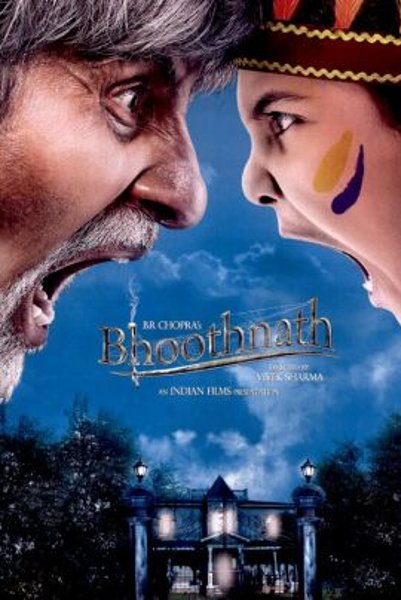
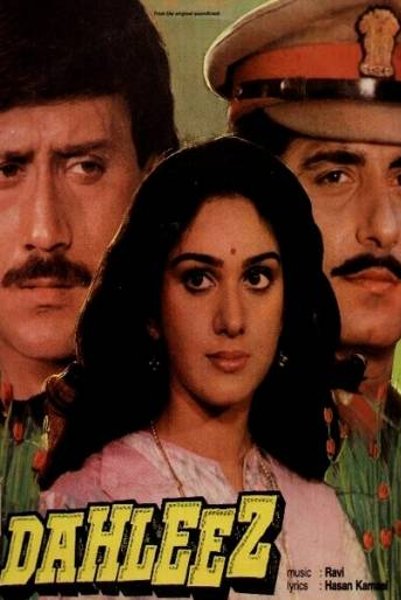
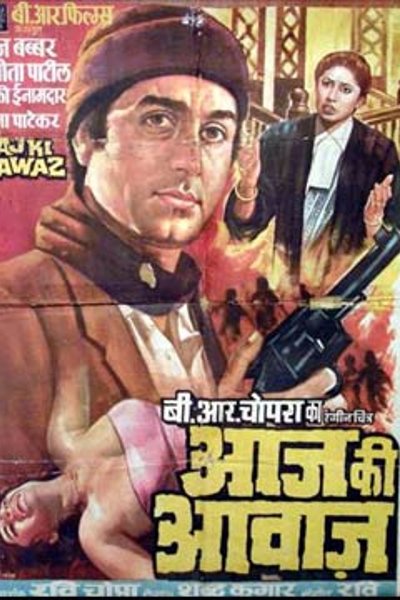
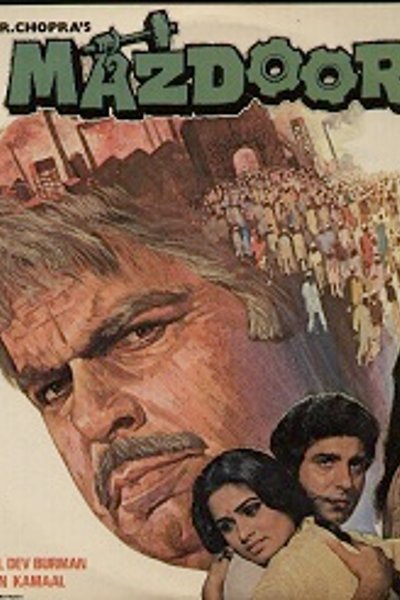
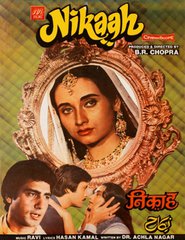
Collaboration Network
The Constellation
Top 8 most-paired collaborators. Bubble size and line thickness reflect how many films they share with B.R. Chopra.
Career Analytics
Language Distribution
Films by Decade
Top Co-Actors
See all →B.R. Chopra has worked most frequently with Ravi Chopra (6 films), Raj Babbar (3 films), Iftekhar (3 films), Hema Malini (2 films), and Amitabh Bachchan (2 films).

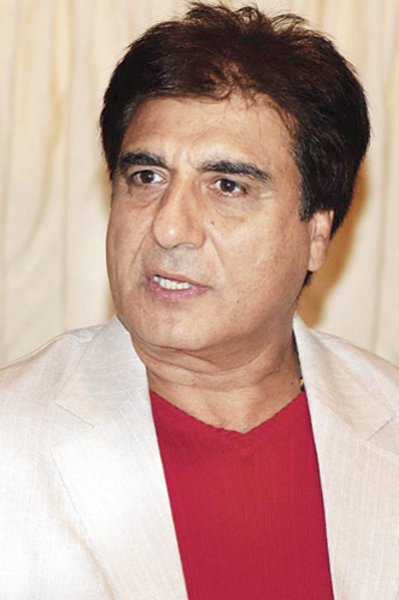
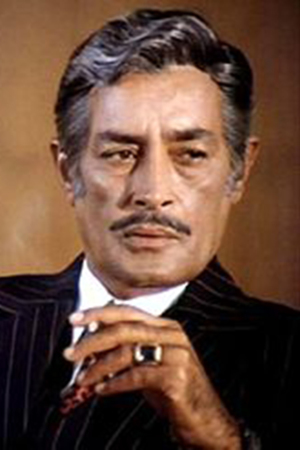




Did You Know?
B.R. Chopra was a pioneering Indian film director and producer, known for founding the production company B.R. Films.
He directed the landmark Hindi film 'Naya Daur' in 1957, which was a major success.
He produced and directed the epic historical film 'Mughal-e-Azam' in 1960, though the film is primarily credited to director K. Asif.
B.R. Chopra was a recipient of the Dadasaheb Phalke Award, India's highest award in cinema, in 1998.
He created the iconic and long-running television series 'Mahabharat' in 1988, which became a cultural phenomenon in India.
Legacy & Influence
B.R. Chopra was a pioneering filmmaker and producer whose career, spanning over five decades, left an indelible mark on Indian cinema. He is best known for founding the production and distribution banner B.R. Films in 1955, which became synonymous with socially conscious and technically proficient cinema. His early directorial venture, 'Naya Daur' (1957), was a landmark social drama that critiqued industrialization while celebrating traditional values, becoming a major commercial and critical success. However, his most significant and enduring contribution is arguably the epic historical film 'Mughal-e-Azam' (1960). Although directed by K. Asif, Chopra, as the film's presenter and a key producer, played a crucial role in its ambitious execution, overseeing its grand scale, meticulous craftsmanship, and nine-year production. The film set new benchmarks for Indian cinema in art direction, costume design, and narrative grandeur, and remains a timeless classic. In the 1970s and 80s, Chopra continued to produce successful films that often tackled bold social issues, such as 'Dhund' (1973), 'Karm' (1977), and 'Nikaah' (1982), the latter being a progressive take on Muslim personal law and women's rights. His most revolutionary impact, however, came in the late 1980s with his foray into television. He conceived and produced the record-breaking television series 'Mahabharat' (1988-1990) for Doordarshan. This serial was a cultural phenomenon that unified the nation every Sunday morning, demonstrating the power of television as a mass medium and setting a gold standard for mythological storytelling in India. It cemented his legacy as a visionary who successfully transitioned his narrative prowess from the big screen to the small screen, influencing generations of content creators. His career trajectory—from making socially relevant films to producing a definitive televised epic—showcases a consistent commitment to quality, innovation, and connecting with the Indian audience's cultural ethos.