Prithvi
Prithvi is an Indian actor, best known for Tamil cinema. Prithvi began their career in 1992 and has been a prominent figure in the industry for over 34 years. With 30 credits to their name, Prithvi remains one of the most prolific and celebrated talents in the industry. Spanning 30+ years, Prithvi's career remains one of the longest and most celebrated in Tamil cinema.
- Born
- Age
- 58
Biography
Prithvi (born Azan Ali on March 24, 1968, in New Delhi) is an Indian film actor who worked primarily in Hindi cinema during the 1990s. He made his Bollywood debut as the lead opposite Divya Bharti in Dil Ka Kya Kasoor (1992), followed by Dilwale Kabhi Na Hare (1992) alongside Rahul Roy and Nagma. He appeared in a range of supporting and lead roles across films including Ikke Pe Ikka (1994), Paandav (1995), and the Hindi thriller Daraar alongside Rishi Kapoor and Arbaaz Khan. He later appeared in the Tamil 3D film Adhisaya Ulagam-3D (2012), extending his career across regional Indian cinema.
Career Milestones
Film debut as lead actor
View film →Appeared in Dilwale Kabhi Na Hare
Appeared in Ikke Pe Ikka
Appeared in Paandav
Tamil film appearance as Vikas
View film →Iconic Roles
Dil Ka Kya Kasoor
Prithvi's debut and most celebrated role opposite the late Divya Bharti. The film was a musical blockbuster and remains his most iconic performance, earning him comparisons to Rajesh Khanna and Amitabh Bachchan.
Ikke Pe Ikka
Supporting role alongside Akshay Kumar in this action-comedy directed by Raj N. Sippy, one of several collaborations with the director.
Paandav
Appeared alongside Akshay Kumar in this action drama directed by Raj N. Sippy, continuing his run in mainstream Bollywood action films of the mid-1990s.
Daraar
Notable appearance in this successful thriller, part of his mid-career work after his debut blockbuster.
Humraaz
One of his later significant appearances, helping extend his career into the 2000s after his 1990s peak.
Defining Moments
Lead debut performance as Arun Kumar, a struggling musician whose songs win the heart of the female lead — a role that launched Prithvi as a romantic hero in Bollywood
His breakout lead role opposite Divya Bharti; the film's hit songs like 'Dil Ka Kya Kasoor' and 'Dil Jigar Nazar' became popular and established Prithvi as a viable romantic lead in early 1990s Hindi cinema
View film →Role as Rishi Kumar in the comedy-action film, showcasing comic timing alongside established stars
Showed versatility beyond the romantic-hero mold, appearing in a broader commercial entertainer format popular in that era
View film →Action-drama ensemble role as Ajay, navigating brotherhood and conflict in a revenge-driven narrative
Demonstrated his ability to hold his own in ensemble action films of the mid-1990s, a genre that dominated Bollywood at the time
View film →Prithvi by the Numbers
If you watched every Prithvi film back-to-back, you'd be at it for roughly 11 hours. Most-paired with Raj N. Sippy — 2 films together.
Filmography
See all 30 credits →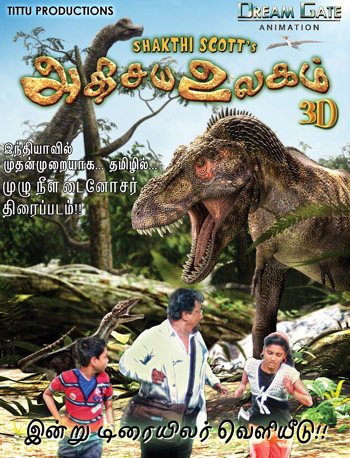
Collaboration Network
The Constellation
Top 2 most-paired collaborators. Bubble size and line thickness reflect how many films they share with Prithvi.
Career Analytics
Language Distribution
Films by Decade
Top Co-Actors
See all →Prithvi has worked most frequently with Raj N. Sippy (2 films), and Akshay Kumar (2 films).

Legacy & Influence
Prithvi's career in Indian cinema, primarily during the early to mid-1990s, represents a distinct trajectory within the industry's supporting and character actor landscape. Appearing in a series of Hindi films such as 'Dilwale Kabhi Na Hare' (1992), 'Dil Ka Kya Kasoor' (1992), 'Ikke Pe Ikka' (1994), and 'Paandav' (1995), he contributed to the era's cinematic fabric, which often blended family dramas, comedies, and action. His roles, though not leading, were part of the ensemble casts that populated these narratives, fulfilling specific character functions that supported the central plotlines and star vehicles of the time. His later appearance in the 2012 3D Tamil film 'Adhisaya Ulagam' indicates a span across languages and a return to the industry after a significant gap, adapting to technological advancements like 3D filmmaking. While not achieving widespread mainstream stardom, his filmography underscores the essential role of reliable character performers who provide depth and context to a film's world. His contribution lies in his participation in a specific period of commercial Hindi and regional cinema, helping to complete the on-screen ecosystem. The modest ratings of his films reflect the varied reception of the projects he was involved in, which were typical of the mass-produced entertainment of that decade. His career serves as a case study of the many working actors who form the backbone of the industry, consistently appearing in released films but often remaining outside the limelight. Their collective work is crucial for the production of genre films that catered to diverse audience segments, particularly in the pre-digital era of the 1990s.